National Dish Israel: Tahini (Recipe)
In this article
Discover Tahini, the silky sesame paste at the very heart of Israeli cooking. Nutty, creamy and endlessly useful, it turns up everywhere from a simple dip to the base of a glossy sauce. With just a handful of ingredients you can whip up a smooth, pourable version that lifts vegetables, breads and grilled dishes alike. Bring the bright, savoury flavours of the Mediterranean and the Middle East straight to your own kitchen.
About Tahini
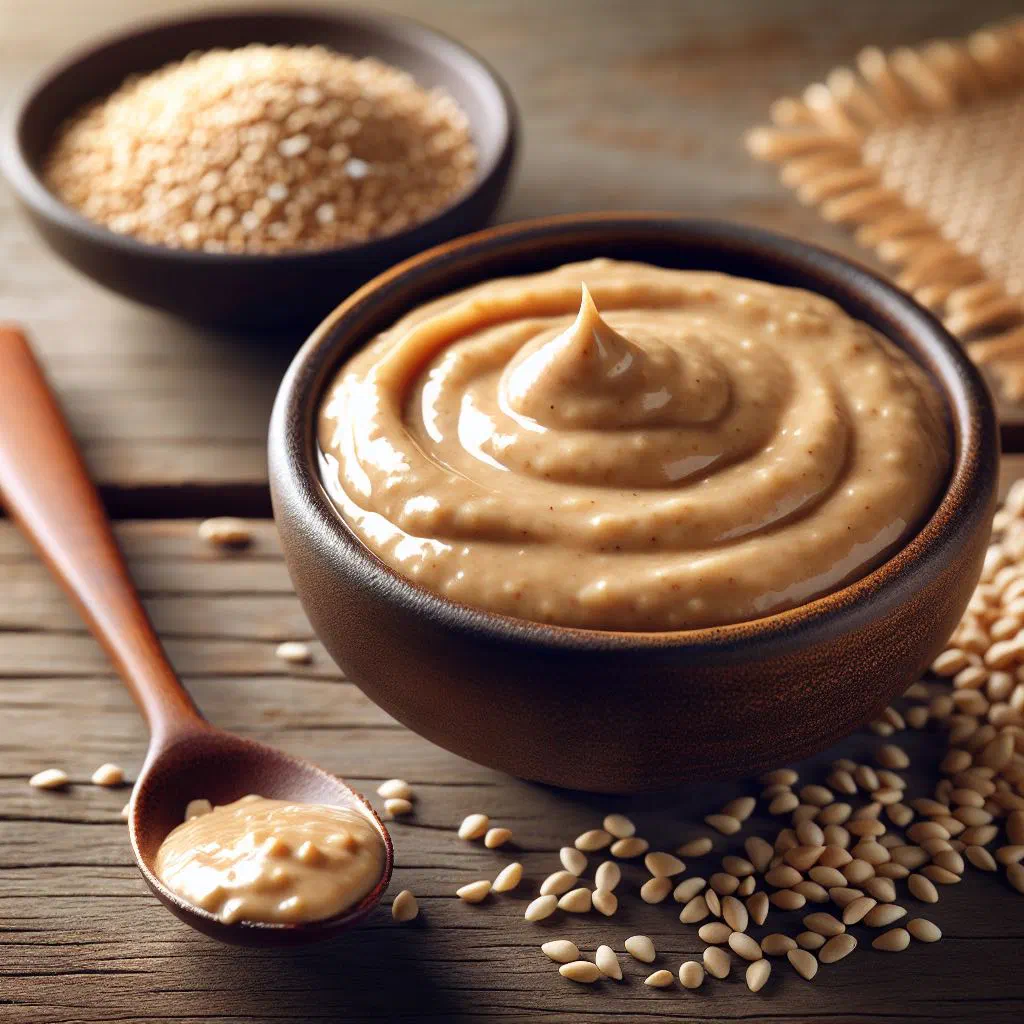
Tahini is a much-loved staple of Israeli cooking, prized for its rich flavour and its remarkable versatility. This creamy paste is made from ground sesame seeds and is hugely popular across both Mediterranean and Middle Eastern kitchens. It works beautifully as a product in its own right, yet it is also an essential ingredient in many classic dishes, not least the famous Hummus. Its unmistakable nutty taste makes it an indispensable element in countless recipes.
Ingredients (serves 1–2)
- 100 g tahini
- 2 tablespoons lemon juice
- 1–2 garlic cloves, chopped
- Water (as needed, to thin)
- Salt and pepper, to taste
Shopping for the ingredients
The ingredients for tahini are best sourced from a well-stocked supermarket or an Asian grocery. When buying, pay attention to the quality of the sesame seeds, as they have a considerable influence on the flavour of the finished paste. Organic sesame often delivers a more intense aroma and a better texture. Fresh garlic and good-quality lemon juice are just as important if you want to enjoy the dish’s full flavour profile.
Preparing the dish
Before you begin, it is worth gathering all your ingredients together. Sesame paste can sometimes firm up a little during transport and storage, so it pays to give it a thorough stir before use. Fresh garlic should be finely chopped or pressed to draw out the best possible flavour. Squeeze the lemon to have fresh juice ready to go.
Step-by-step instructions
- In a bowl, combine the tahini with the lemon juice.
- Add the chopped garlic and stir the mixture well.
- Gradually add water until you reach the consistency you want.
- Season with salt and pepper and stir again until smooth and evenly combined.
Gluten-free / lactose-free version
Tahini is naturally gluten-free and lactose-free. Every ingredient used here is suitable for people with allergies or intolerances. Do bear in mind, though, that any accompanying sides or dips you serve should meet the same requirements. Fresh vegetables or gluten-free bread make an ideal partner and keep the whole spread friendly for every guest.
Tips for vegans and vegetarians
Tahini is an excellent source of plant-based protein, which makes it one of the best options for vegans and vegetarians alike. You can also use it as a stand-in for dairy in many recipes, such as dressings and dips. On top of that, it lends the kind of creamy consistency so often called for in vegan cooking. Pair it with fresh herbs to deepen the flavours and create new taste experiences.
More tips and tricks
When making tahini, you can adjust the consistency simply by adding more or less water. For a thicker paste, use less water; for a looser sauce, add a little more. Experiment with other flavours too, such as sesame oil or chilli oil, to give your tahini a personal touch. Just remember to blend everything thoroughly so you achieve an even, consistent flavour throughout.
Adapting the recipe to your taste
Everyone has their own preferences, so feel free to adjust the quantities and ingredients however you like. Some people favour a thinner consistency or more lemon juice for a sharper, brighter flavour. Vary the amount of garlic to suit your own palate. And if you prefer things a touch sweeter, you can stir in a teaspoon of honey or agave syrup.
Ingredient substitutions
If you do not have fresh garlic to hand, garlic powder works well and adds a similar depth. For a version without lemon, apple cider vinegar is a good option if you are after a mild, tangy note. And if tahini itself is not to your taste, sunflower seed butter makes a fine alternative that is similar in both texture and flavour, the same nutty richness that shines in a bowl of Baba Ganoush. Substitutions like these give you more choice when preparing the dish.
Drink pairing ideas
Dishes featuring tahini pair beautifully with fresh juices or flavoured waters. A lemon-and-ginger water makes a refreshing addition that complements the nutty taste of the paste. A cold beer or a glass of red wine can also underline the flavours nicely. Plant-based drinks such as almond or oat milk are a wonderful choice for vegans too.
Serving and presentation ideas
To present your tahini attractively, use small bowls or plates that show off its creamy consistency. Arrange fresh vegetables nearby, carrots, cucumber or celery, for example, to serve for dipping. A drizzle of olive oil over the top, or a scattering of toasted sesame seeds, adds both visual and flavourful accents. Finish with fresh herbs such as parsley or coriander to garnish the dish with style, much as you would a plate of Falafel.
A bit of history
Tahini has a long history that reaches back to antiquity. Originally widespread across the Mediterranean and the Middle East, it is an important staple of world cuisine. The use of sesame appears in the kitchen and in traditional medicine, where it has long been credited with many health-giving properties. More and more people around the world are discovering this versatile paste, and it has firmly earned its place in modern cooking as a cornerstone of Israeli cuisine.
More recipe ideas
Summary: Tahini
Tahini is a wonderful sesame paste distinguished by its versatility and its wholesome, nourishing qualities. Whether as a dip, an ingredient for sauces or the base for hummus, it brings both flavour and nutrition to the plate. Thanks to its simple preparation and the ease with which it can be adapted, tahini suits just about everyone, from vegans to those with food intolerances. Let Israeli cooking inspire you and discover the delicious possibilities that tahini has to offer.