National Dish Israel: Yemenite Malawach (Recipe)
In this article
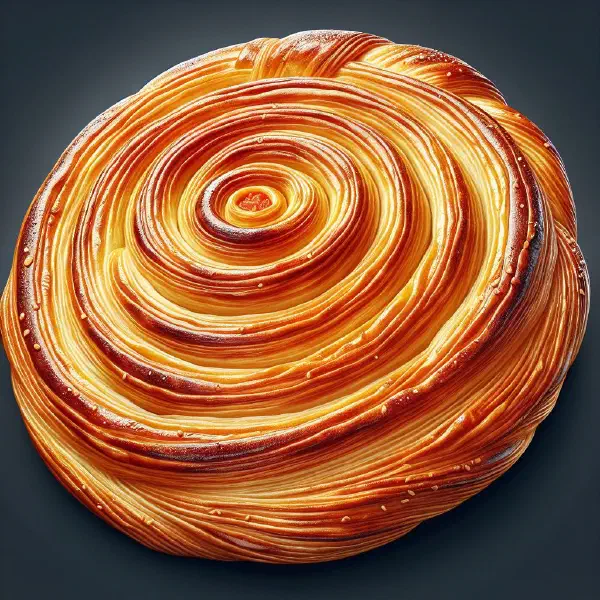
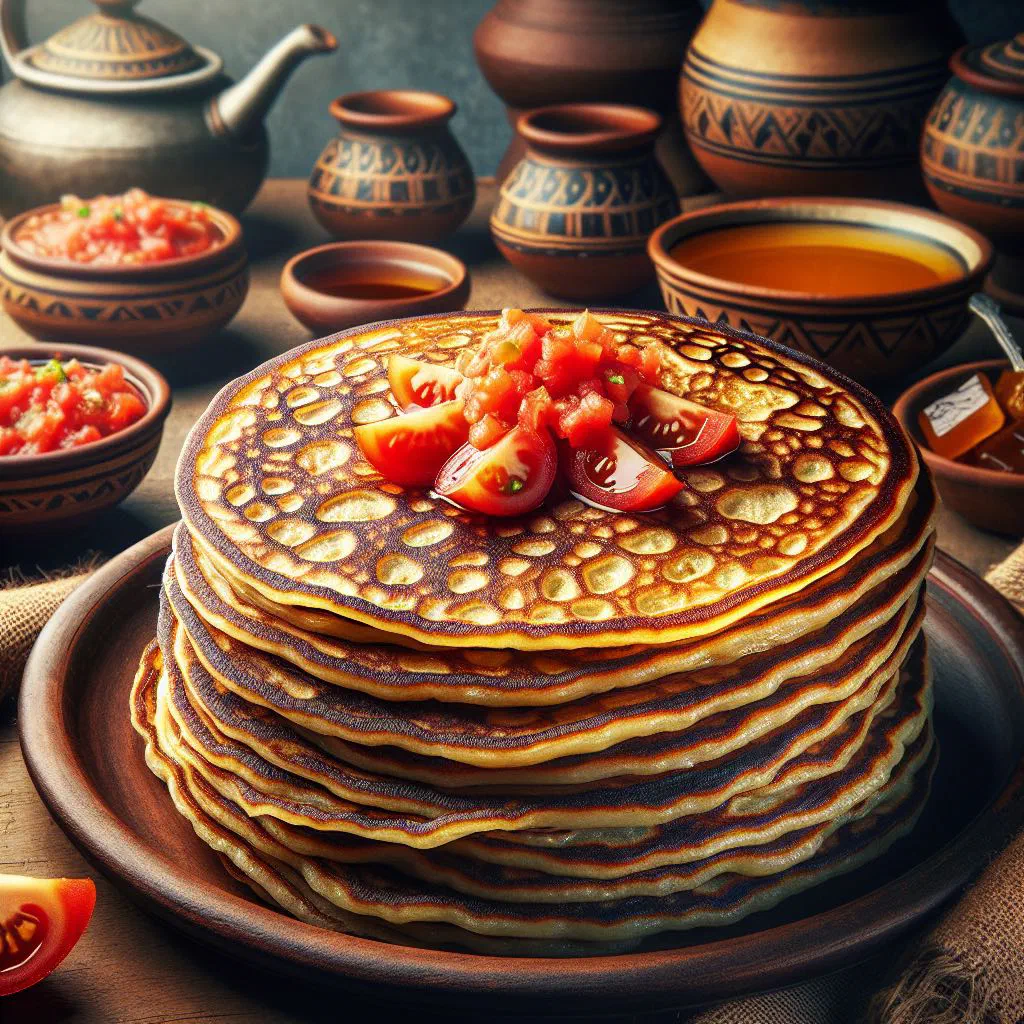
Meet Malawach, a wonderfully flaky pan-fried flatbread that travelled from Yemen to become a treasured part of the Israeli table. Layered with butter and crisped in the pan, it delivers a golden, shatteringly light texture and a rich, savoury flavour. Enjoyed at breakfast or as an anytime snack, it pairs beautifully with eggs, avocado or a tangy dip. With just a handful of everyday ingredients, you can bring the warmth of Yemenite cooking straight to your own kitchen.
About Yemenite Malawach
Malawach hails originally from Yemen, yet it has carved out a special place in the kitchens of Israel. The dish is prized for its flaky, layered texture and its deliciously savoury taste. It is often served as a breakfast or as a snack, and lends itself to all sorts of fillings and accompaniments, from eggs and avocado to a variety of dips. The recipe itself is simple and calls for only a few ingredients, making it easy to recreate at home whenever the mood strikes.
Ingredients (serves 1–2)
- 250 g plain flour
- 150 ml water
- 50 g butter or margarine
- 1 teaspoon salt
- 1 teaspoon sugar
Shopping for the ingredients
For the best malawach, it is worth buying fresh ingredients. Take care to choose good-quality flour, as the consistency of the dough depends on it. The butter or margarine should be fresh too, to guarantee the finest flavour. If you need to keep an eye on dietary requirements, alternative fats such as olive oil also make an excellent choice.
Preparing the dish
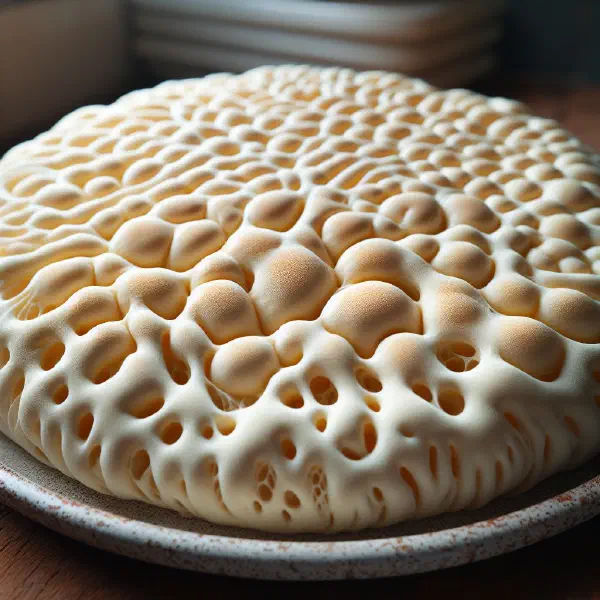
Preparation is simple and fuss-free, so you can reach those delicious flatbreads in no time. First, mix the flour and the salt together to make sure the ingredients are evenly distributed. Next, bring the mixture into a dough by adding the water and the melted butter. Let the dough rest for around 30 minutes so it can relax and become easier to roll out.
Step-by-step instructions
- Combine the flour, salt, sugar and water in a bowl and knead until you have a smooth dough.
- Melt the butter and work it through the dough.
- Shape the dough into a ball, wrap it in cling film and leave it to rest for 30 minutes.
- Roll the dough out on a floured surface and cut it into thin rounds.
- Heat a little oil in a pan and fry the rounds until golden brown on both sides.
- Serve as they are, or with fillings such as egg or braised vegetables.
Gluten-free / lactose-free version
For a gluten-free take on malawach, use a gluten-free flour blend developed especially for doughs and pastries. Make sure any fats you use are gluten-free as well. For a lactose-free option, reach for plant-based butter or oil to achieve a creamy consistency. These small adjustments make the dish accessible to far more people without sacrificing any of its wonderful flavour.
Tips for vegans and vegetarians
Vegan versions of malawach are easy to prepare. Simply swap the butter for a plant-based alternative. Fillings can be built from vegetables, lentils or coconut-based dips that are both satisfying and delicious. Just double-check that every ingredient is plant-based so the dish stays fully vegan. These tweaks are a great way to adapt the flatbreads to a whole range of diets, much like a bowl of Hummus that pleases everyone at the table.
More tips and tricks
One key tip for making malawach is the length of time you rest the dough, the longer it rests, the better its texture. It also pays to make sure the pan is properly preheated before you start frying. This helps the flatbreads colour evenly and stay wonderfully crisp. Feel free to experiment with different fillings and dips, such as tangy Amba Sauce, to create fresh flavour combinations.
Adapting the recipe to your taste
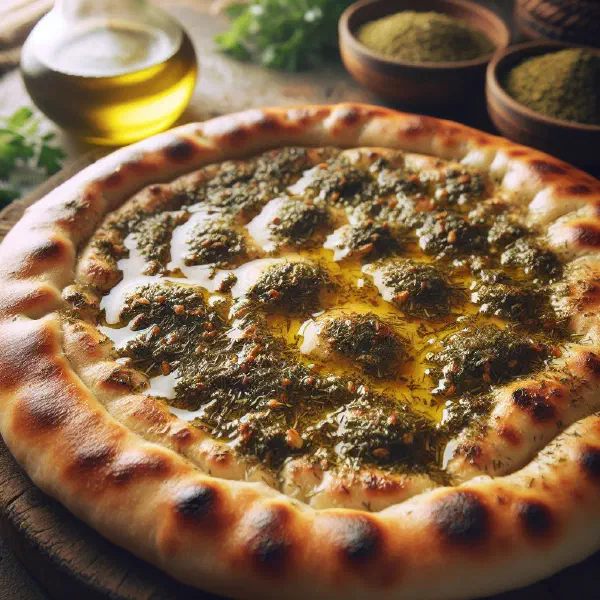
Malawach is remarkably versatile and easy to tailor to personal preference. If you like things a little spicier, add spices such as cumin or paprika. For a sweeter version, serve the flatbreads after frying with honey or maple syrup. Enjoy them with a variety of dips to turn the dish into your own personal flavour experience.
Ingredient substitutions
Different types of flour can be used to make malawach, each giving a slightly different flavour. Wholemeal flour, for instance, offers a heartier, more wholesome option, while almond or coconut flour provide a gluten-free alternative. These variations can noticeably change both the taste and the texture of the dish. Experiment with different fats such as olive oil or peanut butter for a distinctive twist.
Drink pairing ideas
A range of drinks pairs beautifully with malawach. A fresh mint tea or a cup of Arabic coffee make a refreshing accompaniment. If you prefer something non-alcoholic, try a lemon lemonade or a fruity smoothie. These combinations create a harmonious flavour experience alongside your meal, especially served next to a warm slice of Challa.
Serving and presentation ideas
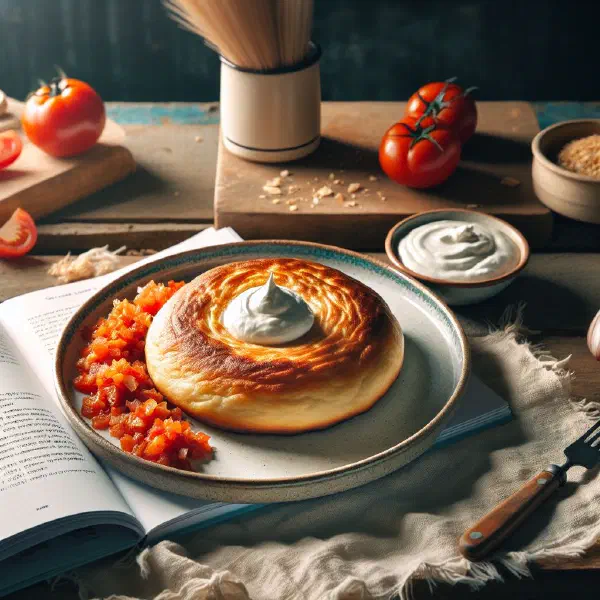
Presentation can make a real difference to how malawach is enjoyed. Serve the flatbreads on a rustic wooden board with an assortment of dips in small bowls. Add fresh herbs or a few cherry tomatoes for decoration to bring colour and freshness to the plate. An inviting presentation turns the meal into a welcoming culinary experience, whether it sits beside a bubbling Shakshuka or a simple green salad.
A bit of history
Malawach has a long tradition rooted in Yemenite cuisine, where it began life as a filling meal for travellers and farm workers. Over the centuries the dish evolved through migration and adaptation across different cultures. Today it is especially popular in Israel, where it has earned a firm place in the country’s diverse culinary landscape, a story it shares with fellow Yemenite favourites like Jachnun. This cultural integration reflects the versatility and enduring appeal of these delicious flatbreads, a hallmark of Israeli cuisine.
More recipe ideas
Summary: Yemenite Malawach
Malawach is a delicious flatbread that unites tradition and adaptation in every bite. Its flaky texture and the versatility of its fillings make it a perfect breakfast or snack. With simple ingredients and a quick preparation, you can bring the aromas of Yemen straight into your kitchen. Enjoy the dish with a range of dips and discover your own favourite combination.