National Dish Israel: Za'atar Manakish (Recipe)
In this article
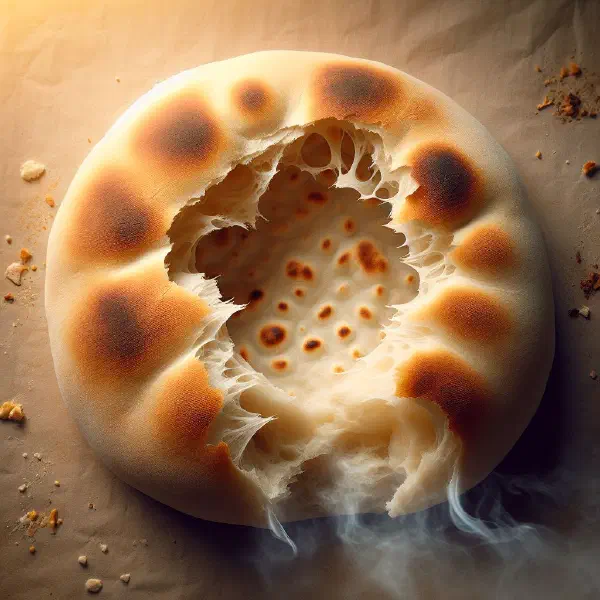
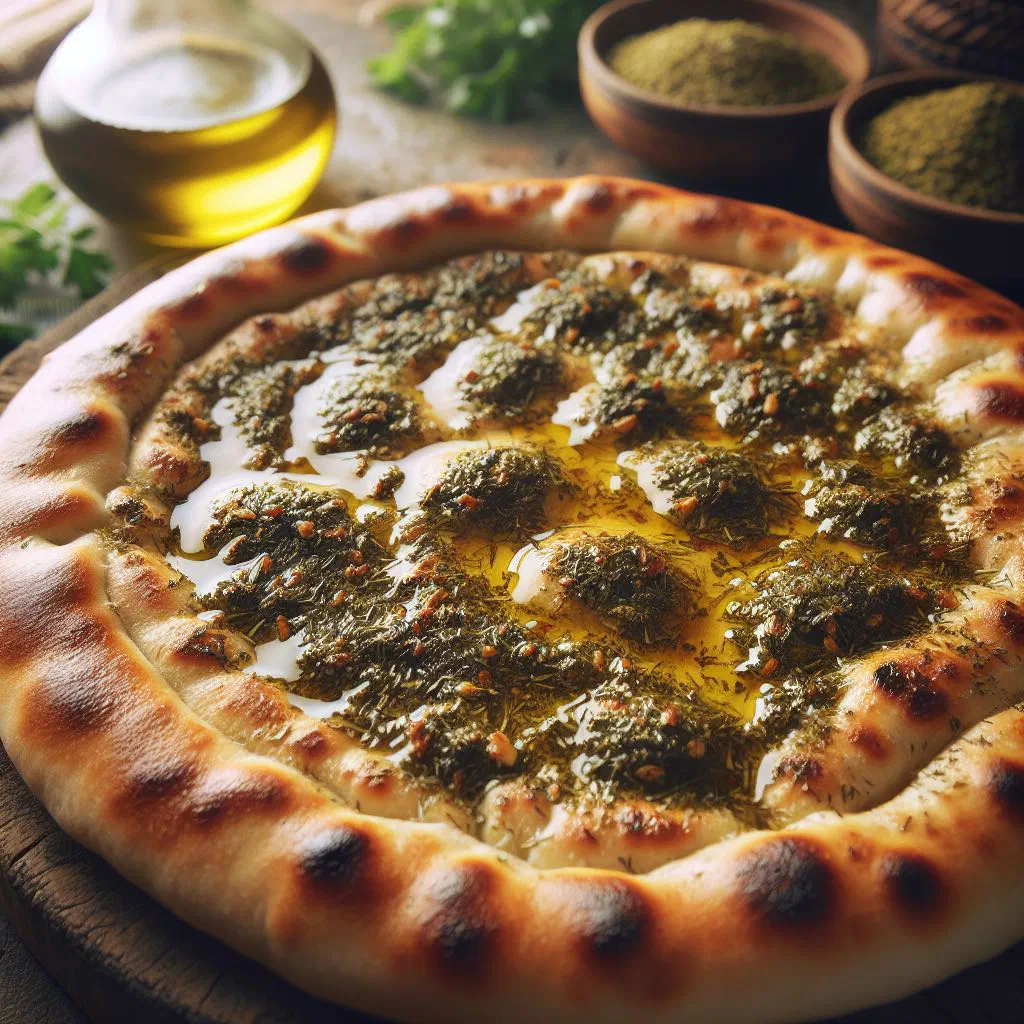
Meet Za’atar Manakish, a fragrant Middle Eastern flatbread that has earned a devoted following across Israel. Golden, herb-strewn and glistening with olive oil, it is the kind of simple, generous food that feels equally at home on a breakfast table or as an afternoon snack. The star of the show is za’atar, a heady blend of wild thyme, toasted sesame and tangy sumac that turns a humble round of dough into something truly memorable. Bring the warmth of a Levantine bakery straight into your own kitchen.
About Za’atar Manakish
Za’atar Manakish is a traditional dish from the Middle East that is hugely popular in Israel. This delicious flatbread speciality is often enjoyed at breakfast or as a snack, and offers a harmonious combination of fresh herbs, spices and olive oil. What makes it so special is the use of za’atar, a spice blend of thyme, oregano, toasted sesame seeds and sumac. It sits comfortably among the great breads and dips of Israeli cuisine.
Ingredients (serves 1–2)
- 250g plain flour
- 150ml water
- 3 tablespoons olive oil
- 1 teaspoon salt
- 2–3 tablespoons za’atar
- Optional: feta or vegetables of your choice
Shopping for the ingredients
The ingredients for za’atar manakish are easy to find in most supermarkets. Flour and olive oil are kitchen staples that you probably already have to hand. For the za’atar spice blend it can be worth looking in a specialist food shop or Middle Eastern grocery, as it is not always stocked in regular supermarkets. Feta or fresh vegetables such as tomatoes and peppers are optional extras that round the dish off nicely, much as they do a plate of Israeli Salad.
Preparing the dish
Before you start making za’atar manakish, it is important to prepare all the ingredients well. Measure out the quantities first, as this makes the whole process considerably easier. Be sure to use fresh ingredients, as this has a real impact on the flavour of the finished dish. If you like, you can also chop a few herbs to give the dough some extra aroma.
Step-by-step instructions
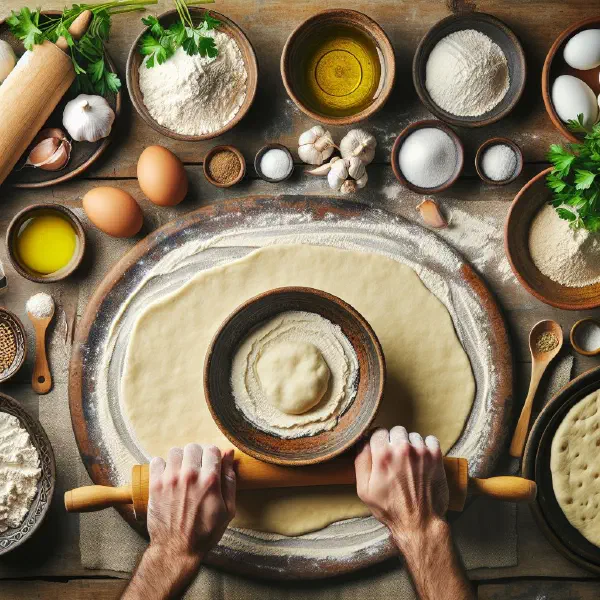
- Put the flour and salt into a bowl and mix well.
- Add the water and olive oil and knead until you have a smooth dough.
- Cover the dough with a cloth and leave to rest for about 30 minutes.
- Roll the dough out on a floured surface and cut into round flatbreads.
- Place the flatbreads on a baking tray and brush with olive oil.
- Spread the za’atar evenly over the flatbreads and top with feta or vegetables if you like.
- Bake in a preheated oven at 200°C for about 10–15 minutes, until golden brown.
- Serve warm and enjoy.
Gluten-free / lactose-free version
If you have a gluten intolerance, the recipe for za’atar manakish is easy to adapt. Use gluten-free flour instead, or an alternative such as almond flour. The lactose-free versions of feta, which are often plant-based, can also be an excellent choice. As always, it is important to check the ingredients for the relevant allergens before you buy.
Tips for vegans and vegetarians
Za’atar manakish is naturally vegan, as long as you do not add any animal products. For extra depth of flavour you can use grilled vegetables or vegan cheeses. It is also worth checking the quality of the ingredients you use, and reaching for fresh, seasonal produce wherever possible.
More tips and tricks
To get the most out of your za’atar manakish, take care to roll the dough out evenly. Unevenly shaped flatbreads can bake inconsistently. It also helps to use fresh herbs such as parsley or basil as an extra garnish, to make the dish especially appealing. Make a larger batch, too, because za’atar manakish is a pleasure whether served warm or cold. A dollop of Labneh with Olive Oil and Za’atar on the side makes it even more satisfying.
Adapting the recipe to your taste
The beauty of za’atar manakish lies in its flexibility. You can adjust the ingredients entirely to suit your own taste. Add olives or sun-dried tomatoes, for example, to create your own signature version. With a little creativity, this dish will quickly become one of your new favourites.
Ingredient substitutions
If you do not have a za’atar spice blend to hand, you can make your own mix of thyme, oregano, sesame seeds and a squeeze of lemon. In the same way, you can swap the plain flour for wholemeal flour to boost the nutritional value.
Drink pairing ideas
Good drinks to serve with za’atar manakish include a refreshing mint tea or an Arabic coffee. These pair beautifully with the aromas of the dish and make a lovely accompaniment. You could also reach for a yoghurt drink, which offers a refreshing coolness that plays nicely against the warm spice of the za’atar.
Serving and presentation ideas
The presentation of your za’atar manakish can be lifted considerably by using colourful plates and fresh herbs. Serve the flatbreads fresh from the oven on a wooden board to create a rustic feel. Garnish with a little olive oil and sesame seeds and add some fresh salad ingredients to improve both the look and the taste. A spread of Hummus and Baba Ganoush turns it into a generous mezze table.
A bit of history
Za’atar manakish has a history, closely bound up with the culture and traditions of the Middle East. Originally these flatbreads were prepared as a quick, nourishing breakfast for workers in towns and villages. The blend of different herbs reflects the diversity of the region and, over the years, it has established itself as a much-loved dish. The inviting aromas and the sociable act of sharing make it a true classic, in good company with staples such as Pita and Falafel.
More recipe ideas
Summary: Za’atar Manakish
In summary, za’atar manakish is a fascinating dish that is easy to prepare and offers a flavourful journey to the Middle East. The combination of aromatic za’atar, fresh ingredients and the flexibility of the recipe makes it a wonderful choice for all kinds of occasions, whether for a leisurely breakfast, a snack or a side. Give this recipe a try, and let the variety and aromas of Israeli cuisine inspire you.