National Dish Israel: Za'atar Roasted Potatoes (Recipe)
In this article
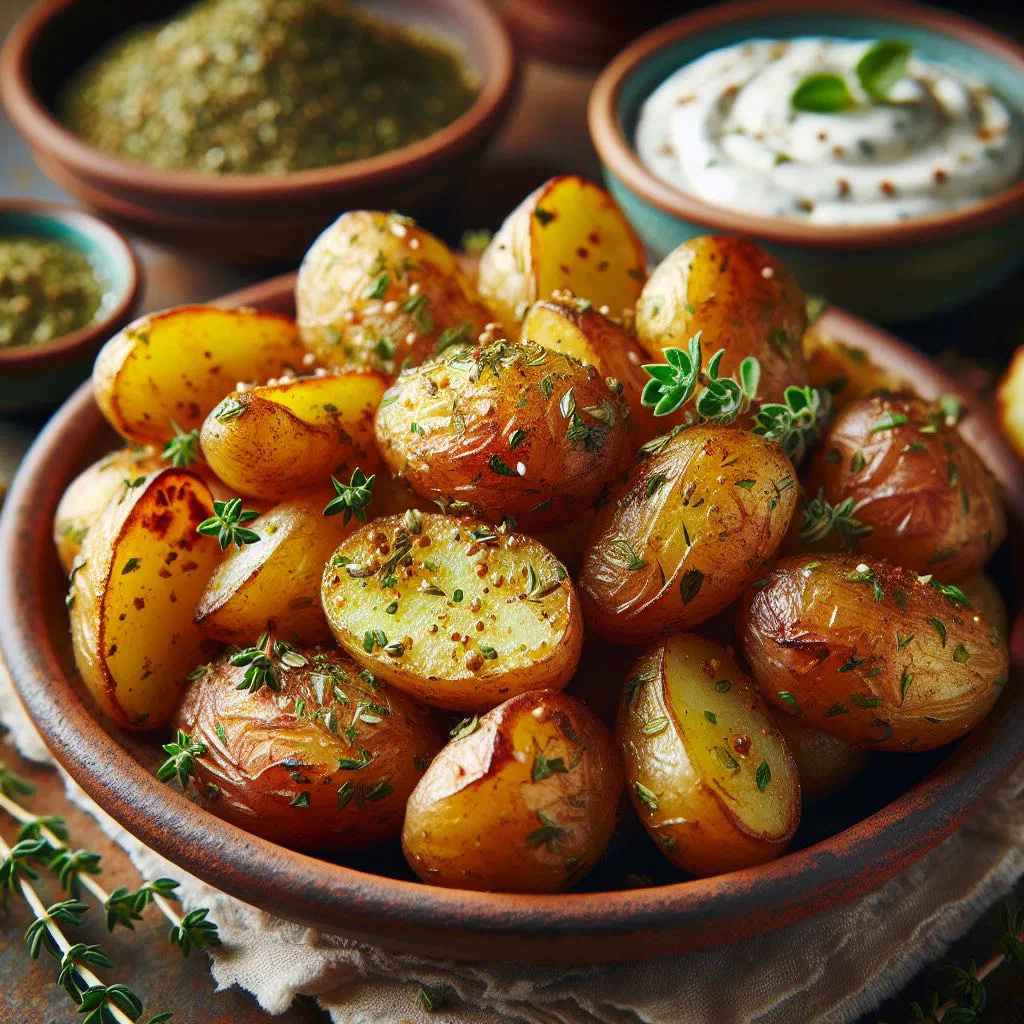
Discover Za’atar Roasted Potatoes, a fragrant taste of the Middle East that turns a humble spud into something special. Crisp and golden on the outside, fluffy within, the potatoes are tossed in za’atar, a heady blend of thyme, sesame, sumac and salt, before roasting to perfection. These potatoes bring warm, herby aromas and a satisfying crunch to any table.
About Za’atar Roasted Potatoes
Za’atar Roasted Potatoes are far more than a simple side dish; they are a genuine flavour experience rooted in the cooking of the Middle East. The potatoes are seasoned with the aromatic spice blend za’atar, made from thyme, sesame seeds, sumac and other fragrant ingredients. Roasted until crisp and golden brown, they strike a wonderful balance between taste and texture. Enjoyed as an accompaniment to a main course or as a dish in their own right, they are an excellent choice for any feast.
Ingredients (serves 1–2)
- 300 g waxy potatoes
- 2 tablespoons olive oil
- 2–3 tablespoons za’atar
- 1 teaspoon salt
- Pepper to taste
- Fresh lemon juice (optional)
Shopping for the ingredients
To gather the ingredients for za’atar roasted potatoes, head to a well-stocked supermarket or a Middle Eastern grocery. Waxy potatoes are ideal, as they hold their shape beautifully during roasting. Look for good-quality olive oil and authentic za’atar, since these two ingredients are what truly define the flavour of the dish. If you fancy a squeeze of fresh lemon juice at the end, pick up some fresh lemons from the fruit section too.
Preparing the dish
Preparing za’atar roasted potatoes is quick and refreshingly straightforward. Begin by washing the potatoes thoroughly to remove any dirt and grit. Next, cut them into even pieces to ensure they cook at the same rate. You can peel the potatoes if you like, but leaving the skin on adds extra flavour and nutrients.
Step-by-step instructions
- Cut the potatoes into cubes and tip them into a bowl.
- Add the olive oil, za’atar, salt and pepper, then toss well until every piece is evenly coated.
- Spread the seasoned potatoes out in a single layer on a lined baking tray.
- Roast in a preheated oven at 200°C for 30–35 minutes, until golden brown and crisp.
- Drizzle with fresh lemon juice if you like and serve hot.
Gluten-free / lactose-free version
This recipe is naturally gluten-free and lactose-free, as it uses no animal products or gluten-containing ingredients. That makes it a perfect choice for guests with food intolerances. Do check the label on your za’atar, however, to make sure there are no unwanted additives. Enjoy this dish with complete peace of mind.
Tips for vegans and vegetarians
Za’atar Roasted Potatoes are vegan and vegetarian by design, making them ideal for anyone who prefers plant-based eating. To take the dish up a notch, add roasted vegetables such as peppers, courgettes or aubergines for extra colour and flavour. A yoghurt or tahini sauce served on the side as a dip rounds off the whole experience, much like the creamy dip in a bowl of Baba Ganoush.
More tips and tricks
To get the most from this recipe, a few tips and tricks go a long way. Make sure the potatoes are well spread out so they roast evenly and turn properly crisp. A couple of extra minutes in the oven can be the difference between good and outstanding. For even more crunch, pop the potatoes briefly under the grill towards the end of cooking. It gives them a wonderfully crisp finish.
Adapting the recipe to your taste
One of the great things about za’atar roasted potatoes is how easily they can be adapted to personal preference. Add other spices such as garlic powder or paprika to explore different flavour notes. You can also adjust the amount of za’atar depending on how intense you like it. It is well worth trying other varieties too, such as sweet potatoes, for a sweeter, more nourishing take on the dish.
Ingredient substitutions
If some of the ingredients are hard to find, or you are simply after alternatives, there are plenty of options. Instead of olive oil, you could use rapeseed or avocado oil. If za’atar is unavailable, a homemade mix of thyme, sesame and lemon zest makes a fine stand-in. You can also swap the potatoes for other vegetables to create an exciting change of pace.
Drink pairing ideas
For a perfectly balanced meal, a few well-chosen drinks complement the dish nicely. A crisp white wine or a rosé pairs beautifully with the flavours of the za’atar roasted potatoes. Alternatively, serve mint tea or simply still water with a slice of lemon to highlight the dish’s fresh notes. These drinks enhance the flavour and add to the mood of the meal.
Serving and presentation ideas
Za’atar Roasted Potatoes are easy to plate up attractively. Serve them in a lovely bowl and garnish with fresh coriander or parsley. A squeeze of lemon juice looks decorative and lends the dish extra freshness. Present them alongside a fitting dip in a pretty little dish for an inviting spread. They sit happily on any mezze table next to Hummus and a crisp Israeli Salad.
A bit of history
Za’atar holds a special place in the culinary culture of the Middle East. The spice blend has been used for centuries and has deep roots in Israeli cooking. It symbolises the region’s rich diversity of flavours and its history and eating traditions. The use of za’atar across so many dishes shows the creative ways in which local ingredients are transformed throughout Israeli cuisine.
More recipe ideas
Summary: Za’atar Roasted Potatoes
Za’atar Roasted Potatoes are a unique and flavourful side dish that lends any feast a touch of Mediterranean cheer. Perfectly seasoned and simple to make, they offer endless scope for adapting to your own taste. They are always a good call. Let the rich aromas of the Middle East inspire you and bring a little piece of Israel to your table.