National Dish Ivory Coast: Akpan (Recipe)

In this article
Meet Akpan, a gently tangy speciality from the Ivory Coast made from fermented maize flour. Its soft, pudding-like texture makes it wonderfully soothing to eat, while the slow fermentation gives it a lively, faintly sour depth that sets it apart from any ordinary porridge. Served with a sauce or a handful of colourful sides, it is equally at home as an everyday meal and as the centrepiece of a family celebration. Here is how to bring this West African classic into your own kitchen.
About Akpan
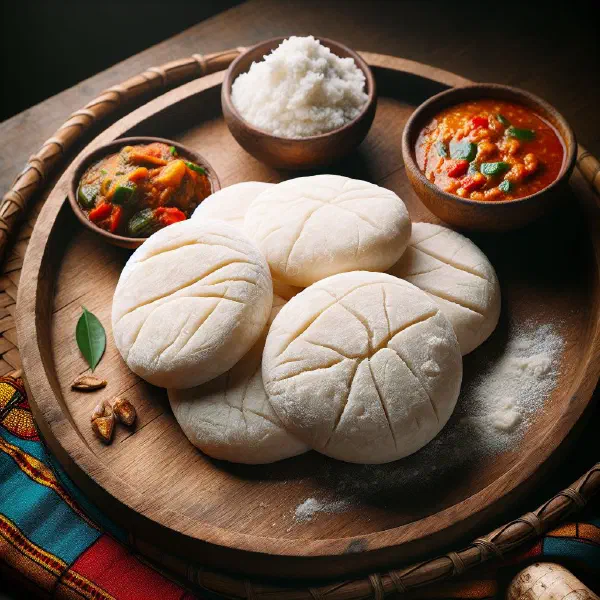
Akpan is a traditional dish from the Ivory Coast, made from fermented maize flour. It is distinguished by its soft, pudding-like consistency and is popular with locals and visitors alike. Akpan is often served with a variety of sauces and side dishes, which is what makes it so satisfying to eat. It is not merely an everyday staple: it also takes pride of place at celebrations and festive occasions.
Ingredients (serves 1–2)
- 200 g fermented maize flour
- 500 ml water
- 1 pinch of salt
- Oil, for frying (optional)
- Side dishes of your choice (vegetables or meat, for example)
Shopping for the ingredients
To make akpan, you will find most of the ingredients in an African or Asian grocery shop. Fermented maize flour is the foundation of the dish and comes in several different forms. Look for a good-quality product to get the best flavour. Where you can, ask the shopkeeper about the origin of the maize flour to make sure you are working with an authentic product.
Preparing the dish
Preparing akpan involves a few basic steps that will help you get the very best from the dish. Start by mixing the fermented maize flour with water until you have a smooth, even mixture. Stir it thoroughly so that no lumps remain. Then leave the mixture to rest for a few hours to support the fermentation process and deepen the flavour.
Step-by-step instructions
- Combine the fermented maize flour and the water in a bowl.
- Stir the mixture well to avoid any lumps forming.
- Leave it to rest at room temperature for around 2–3 hours.
- If you like, heat a little oil in a frying pan.
- Add the batter to the pan and spread it out evenly.
- Cook over a medium heat for about 10–15 minutes, until the surface has set.
- Arrange the akpan on plates and serve with the sauces or sides of your choice.
Gluten-free / lactose-free version
Akpan is naturally gluten-free, since it is made purely from fermented maize flour, so anyone with a gluten intolerance can enjoy it without concern. No animal products are involved either, though it is worth checking that the sauces and side dishes are lactose-free as well. Choose plant-based sauces and vegetables and the dish works perfectly for vegans and vegetarians.
Tips for vegans and vegetarians
To adapt akpan for vegans and vegetarians, simply swap the traditional accompaniments for plant-based ones. Replace meat dishes with a selection of grilled vegetables, pulses or good-quality frozen vegetables, a light Sauce d’Arachide made without stock works beautifully here. Choose vegan sauces with no added sugar or animal products. These small adjustments keep akpan both delicious and genuinely nourishing.
More tips and tricks
For the best result, respect the resting time so the fermentation process can do its work in full. Experiment with different combinations of sauces and sides to tune the flavour to your own liking. If you prefer things hotter, stir in a little chilli sauce. Fresh herbs such as coriander or parsley also lift the dish nicely.
Adapting the recipe to your taste
Akpan is a versatile dish and the recipe is easy to adjust. Depending on what you prefer, you can make the texture looser or firmer simply by adding more or less water. Fancy something sweeter? A spoonful of honey or brown sugar gives it a gentle sweetness, much like the treats you find in Dègue. Varying the spices opens up new flavours too and keeps the dish interesting.
Ingredient substitutions
If fermented maize flour is not available, you can try achieving a similar consistency with rice flour or millet flour. These alternatives are not strictly traditional, but they still give tasty results. It is also worth experimenting with other herbs and spices to put your own stamp on the dish. Remember that the quality of the ingredients is decisive for the overall flavour.
Drink pairing ideas
Refreshing drinks suit a good akpan best, complementing rather than competing with its flavour. Try a traditionally brewed African juice such as Bissap, or simply water with a squeeze of lime. Coconut water offers a lovely sweet refreshment as well. For a more sociable meal, a light beer or a fruity cocktail pairs excellently with the dish.
Serving and presentation ideas
To present akpan attractively, arrange the portions on colourful plates and garnish them with fresh herbs. Colourful side dishes such as fried vegetables or a crisp salad lift the plate visually, Aloko is a particularly good-looking partner. Serve the sauces in small bowls alongside so everyone can add exactly as much as they want. A thoughtful presentation turns a tasty meal into a genuine occasion.
A bit of history
Akpan has a long history in the kitchens of the Ivory Coast and reflects the cultural diversity of the country. It is a dish traditionally prepared for feasts and festivals, and one usually shared with family and friends. The fermentation of the maize flour is not only a culinary technique but part of a cultural identity passed down from one generation to the next. Akpan is therefore far more than a dish. It is a symbol of community and tradition, and one of the cornerstones of Ivorian cuisine.
More recipe ideas
Summary: Akpan
Akpan is a quintessentially Ivorian dish, made from fermented maize flour and prized for its uniquely pudding-like texture. It is versatile and can be served with a wide range of sauces and side dishes that round out its flavour. Preparation is straightforward, and the dish adapts easily to different preferences, particularly for vegans and vegetarians. Above all, akpan stands for a rich culinary tradition that is as culturally meaningful as it is delicious.