National Dish Ivory Coast: Dakouin (Recipe)
In this article
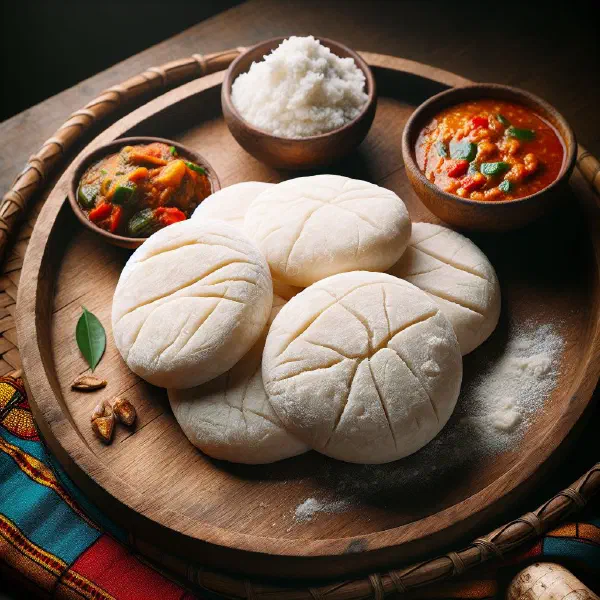
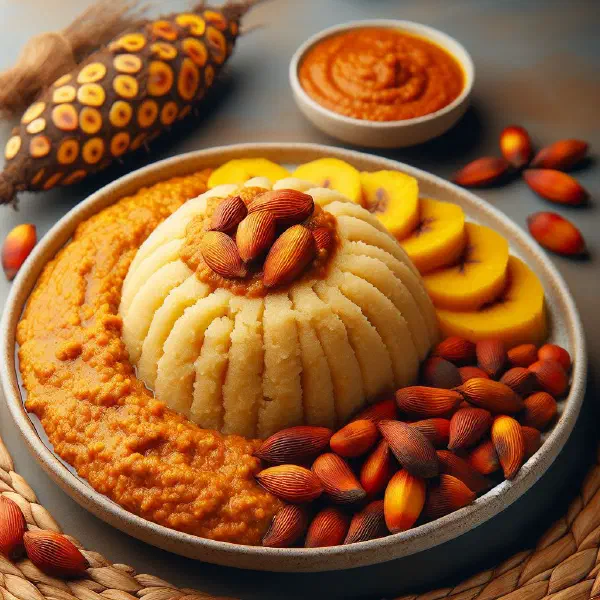
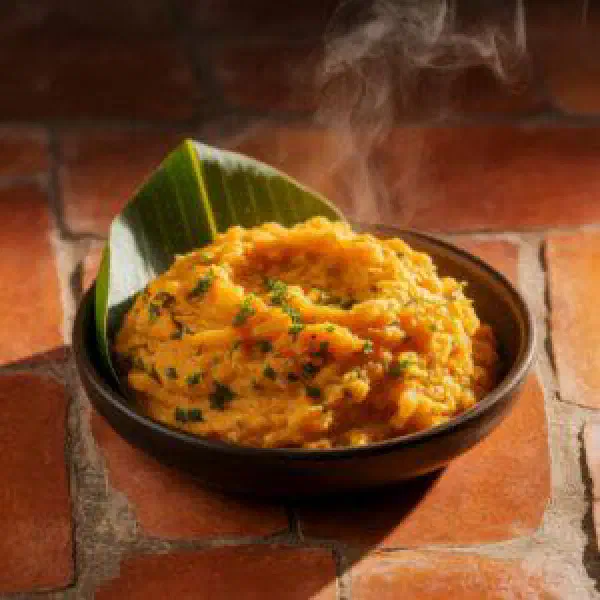
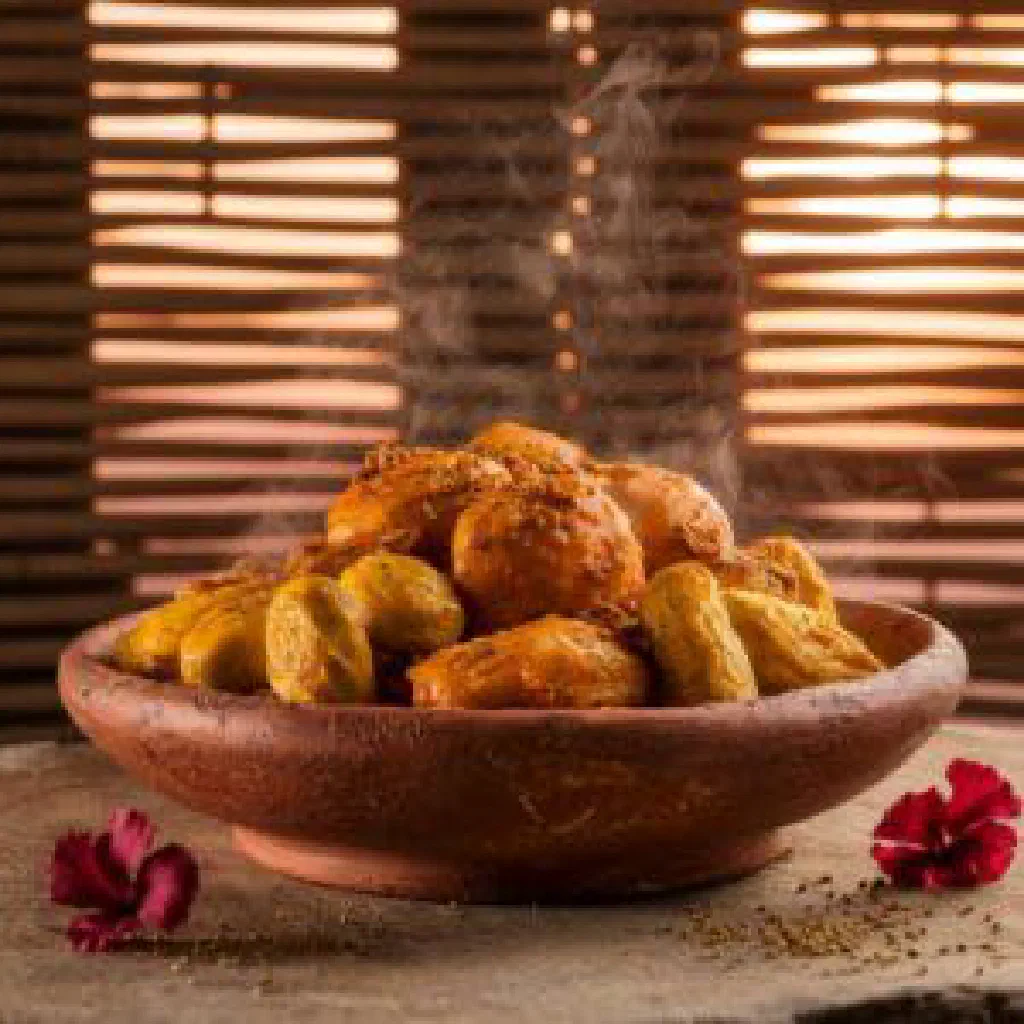
Meet Dakouin, a warmly spiced cassava speciality from the Ivory Coast and one of the friendliest ways into West African home cooking. Soft cassava flour is bound with sautéed onions, fiery chillies and a colourful tumble of vegetables, then fried in small golden rounds. Served with grilled fish or meat, it is filling, fragrant and surprisingly simple to put together in a home kitchen.
About Dakouin
The much-loved national dish of the Ivory Coast, Dakouin, is a genuine celebration of flavour and a wonderful introduction to Ivorian cooking. It is built on cassava flour and brought to life with a delicious mixture of onions, chilli and gently steamed vegetables. The combination gives the dish its unmistakable seasoning and its hearty, savoury character. Dakouin is often served alongside fish or meat, which turns it into a nourishing and thoroughly satisfying meal.
Ingredients (serves 1–2)
- 200 g cassava flour
- 1 onion, finely chopped
- 1–2 fresh chillies, depending on how hot you like it
- 200 g mixed vegetables (carrots, peppers, courgette)
- 250 ml water
- Salt to taste
- Pepper to taste
- Oil for frying
Shopping for the ingredients
To make Dakouin, start by looking for the ingredients in a well-stocked grocer or at an African market. Cassava flour in particular is not always easy to find in Europe, so it is worth asking at a specialist shop, the same flour also underpins classics such as Placali. The remaining ingredients, such as onions, chilli and vegetables, are available in most supermarkets. Plan your shopping ahead of time so you have everything to hand before you begin.
Preparing the dish
Before you cook Dakouin, it pays to prepare all the ingredients properly. Begin by washing the vegetables and cutting them into small pieces. Finely chopping the onion and the chillies matters too, as this lets the aromas come through clearly. The cassava flour should be measured out into a separate bowl to keep the process smooth and unhurried.
Step-by-step instructions
- Heat a little oil in a frying pan, add the onions and chillies and fry until golden brown.
- Add the chopped vegetables and steam them gently for about 5 minutes.
- In a bowl, mix the cassava flour with 250 ml water and stir well until you have a smooth batter.
- Tip the vegetable and onion mixture into the cassava batter and stir thoroughly.
- Shape small portions of the mixture and fry them in the pan until golden brown.
- Serve Dakouin hot with a side of fish or meat.
Gluten-free / lactose-free version
One great advantage of Dakouin is that it is naturally gluten-free, since it is based on cassava flour. That makes it an excellent choice for anyone with a gluten intolerance or coeliac disease. To keep the dish lactose-free as well, simply use plant oils and skip animal products in the accompaniment. This way everyone can enjoy the flavour, whatever their dietary needs.
Tips for vegans and vegetarians
For vegans, Dakouin offers plenty of freedom to adapt the side dishes to taste. Instead of fish or meat, plant-based protein sources such as tofu or tempeh work beautifully. These alternatives add extra flavour notes and nutrients that can genuinely enrich the plate. There are no limits when it comes to the vegetables either. Try different seasonal varieties to keep things interesting.
More tips and tricks
A few pointers for making Dakouin: take care to combine the cassava flour thoroughly with the water so that no lumps form. You can also adjust the seasoning and experiment with additional herbs to discover new flavour combinations. A squeeze of lemon or lime helps to freshen up the aromas. Finally, timing matters when frying, do not cook the portions for too long, or the texture will turn dry.
Adapting the recipe to your taste
One of the great strengths of the Dakouin recipe is how adaptable it is. Depending on your preference, vary the quantity of chillies to make the dish hotter or milder. You can also change the selection of vegetables according to the season and your own taste. Let your creativity run free and try different combinations until you find the perfect mix, much as cooks do with a slow-simmered Kedjenou.
Ingredient substitutions
If you cannot find cassava flour, you can substitute rice flour or another gluten-free flour, though the taste and texture will differ. You can also change the vegetable mix to suit your preferences or use whatever seasonal produce is available. This brings variety to the dish and ensures the ingredients are fresh and full of flavour. Do experiment with different combinations.
Drink pairing ideas
Plenty of drinks pair well with Dakouin and complement its flavours nicely. A lightly chilled African beer is an excellent way to round off the meal. Fresh fruit juices or herbal teas also work well, adding a refreshing note that harmonises with the heat of the food. A tart hibiscus infusion such as Bissap is another classic choice worth trying.
Serving and presentation ideas
An attractive presentation can lift the enjoyment of Dakouin considerably. Serve the dish on a colourful plate and garnish it with fresh herbs such as coriander or parsley. Add a few slices of lemon or lime, which look appealing and complement the aromas at the same time. For individual servings, arrange small portions on platters to create a welcoming, generous table.
A bit of history
Dakouin has roots that run deep into the culture of the Ivory Coast. Traditionally it was prepared by local communities as a filling everyday meal, and it has been popular for generations. The use of cassava across West African cooking reflects the historic importance of this root crop in the region. Many families keep their own variations of the recipe, passed down from generation to generation, embodying the variety and richness of Ivorian cuisine.
More recipe ideas
Summary: Dakouin
Dakouin is a delicious dish and a culinary discovery that captures the flavours of the Ivory Coast. The combination of cassava flour, vegetables and spices delivers a genuinely distinctive eating experience. Whether as a main course or as a side, Dakouin is versatile and easy to adapt to personal taste. Let Ivorian cooking win you over and enjoy a piece of cultural heritage on your plate.