National Dish Ivory Coast: Sauce Graines de Palmiste (Recipe)
In this article
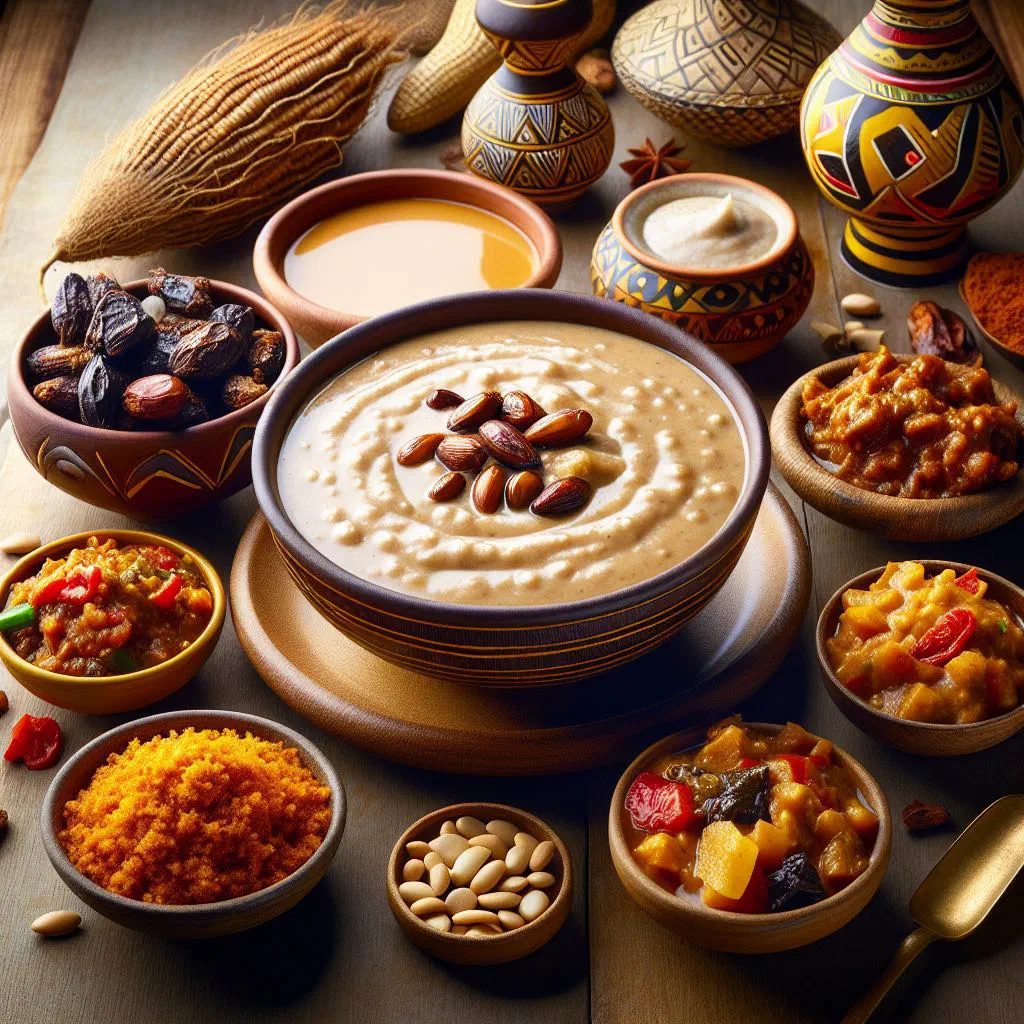
Discover Sauce Graines de Palmiste, one of the great treasures of Ivorian home cooking. This deep, russet-coloured sauce is built on simmered palm kernels, sweet onions and just enough chilli to make things interesting. Spooned over rice or yam, it turns a simple plate into a proper West African feast, rich, aromatic and surprisingly straightforward to make at home.
About Sauce Graines de Palmiste
The national dish of the Ivory Coast, Sauce Graines de Palmiste, offers a flavour experience quite unlike anything else, thanks to the palm kernels and the fragrant spices that go into it. This rich sauce is distinctive on the palate and a cornerstone of West African cuisine. It is most often served with rice or yam, which turns it into a filling and nourishing meal. The recipe is a wonderful way to get to know, and enjoy, the culinary traditions of the region.
Ingredients (serves 1–2)
- 200 g palm kernels
- 1 onion, diced
- 2–3 garlic cloves, chopped
- 1–2 green chillies, to taste
- 1 teaspoon salt
- 1 teaspoon pepper
- 1 teaspoon paprika
- 200 ml water
- Fresh herbs, to garnish (parsley works well)
Shopping for the ingredients
To make a truly authentic dish, choosing the right ingredients matters. Many of them are stocked by African grocers, and a well-supplied supermarket will often carry them too. Certain spices and the palm kernels themselves may need to be ordered online if you have no local source. Look for fresh, good-quality produce. It makes all the difference to the finished flavour.
Preparing the dish
Getting ready for Sauce Graines de Palmiste is simple enough, though it does ask for a little time and care. Start by washing the palm kernels thoroughly and, if needed, soaking them beforehand to improve their texture. While the kernels soak, prepare the onion and garlic. The chillies should be chopped small, with the quantity adjusted to the heat level you want, so the aromas come through at their best.
Step-by-step instructions
- Simmer the palm kernels in a pan of boiling water for around 30 minutes, until they crush easily.
- Drain the cooked kernels and tip them into a blender with the onion, garlic, chillies and 200 ml water.
- Blend to a smooth paste, adding more water as needed to reach the consistency you like.
- Pour the purée into a pan and heat over a medium flame, then season with salt, pepper and paprika.
- Let the sauce simmer for 10–15 minutes, stirring now and then, until the flavours have married together.
- Garnish with fresh herbs and serve warm.
Gluten-free / lactose-free version
Sauce Graines de Palmiste is naturally gluten-free and lactose-free, which makes it an excellent choice for anyone with an intolerance. Every ingredient in the recipe is free of both, so the dish suits a wide range of dietary needs. It is still worth checking that anything you add alongside it is free of these allergens too. That way you can enjoy a delicious and worry-free meal.
Tips for vegans and vegetarians
For vegans and vegetarians this sauce is particularly appealing, since it contains nothing but plant-based ingredients. It takes happily to extra vegetables such as spinach or tomatoes, which add both nutrients and colour. You can also play with different spices to shift the flavour profile. All of which makes the dish not just versatile but genuinely nourishing and tasty, much like the vegetable-led Melange De Feuilles.
More tips and tricks
A few practical pointers: use good-quality palm kernels, either fresh or well packaged. Take care not to overcook the sauce, or the delicate aromas will be lost. You can also adjust the consistency to suit yourself simply by adding more or less water. Do experiment with different spices to give the sauce a personal signature.
Adapting the recipe to your taste
One of the best things about Sauce Graines de Palmiste is how readily it bends to personal preference. You might add more or fewer chillies, depending on how much heat you enjoy. Adding extra herbs or spices will shift the character of the sauce as well. Offering guests a choice of sides, rice one day, Igname Pile the next, keeps things interesting.
Ingredient substitutions
If you cannot lay hands on certain ingredients, there are useful alternatives to consider. Other nuts can stand in for palm kernels, for example, and will still give you a creamy texture. Should green chillies be unavailable, dried chillies or a mild pepper will do the job. Your dish stays flexible and delicious either way.
Drink pairing ideas
When it comes to drinks, fruity and refreshing options work best with this sauce. Try a homemade lemonade or a fruity iced tea to complement the flavours, or a chilled glass of Bissap. A light sparkling water is another good choice, since it will not drown out the taste. If you prefer something alcoholic, a fruity white or red wine makes a fine companion.
Serving and presentation ideas
The presentation of your Sauce Graines de Palmiste can lift the whole meal considerably. Serve it in a generous bowl to create a welcoming, communal feel. Scatter over fresh herbs or edible flowers for a splash of contrasting colour. Attractive tableware makes the dish look all the more appetising, and neatly folded napkins finish the table off nicely.
A bit of history
Sauce Graines de Palmiste is more than a tasty dish; it carries a fascinating history rooted in Ivorian culture. Palm oil plays a central role in the traditional kitchen, and the use of palm kernels reflects local growing and harvesting habits. People have been enjoying this sauce since the days of the earliest settlers, and it remains a fixture at both celebrations and everyday meals. It is a culinary pleasure, then, but also a symbol of regional identity, and a fine entry point into Ivorian cuisine.
More recipe ideas
Summary: Sauce Graines de Palmiste
Sauce Graines de Palmiste is an outstanding example of the rich and varied cooking of the Ivory Coast. The sauce delivers not only plenty of flavour but deep cultural roots as well. With straightforward preparation and adaptable ingredients, you can bring an authentic experience to your own table. Let West African cooking inspire you, and enjoy this special sauce with rice or yam.