National Dish Ivory Coast: Sorghum Beer (Recipe)
In this article
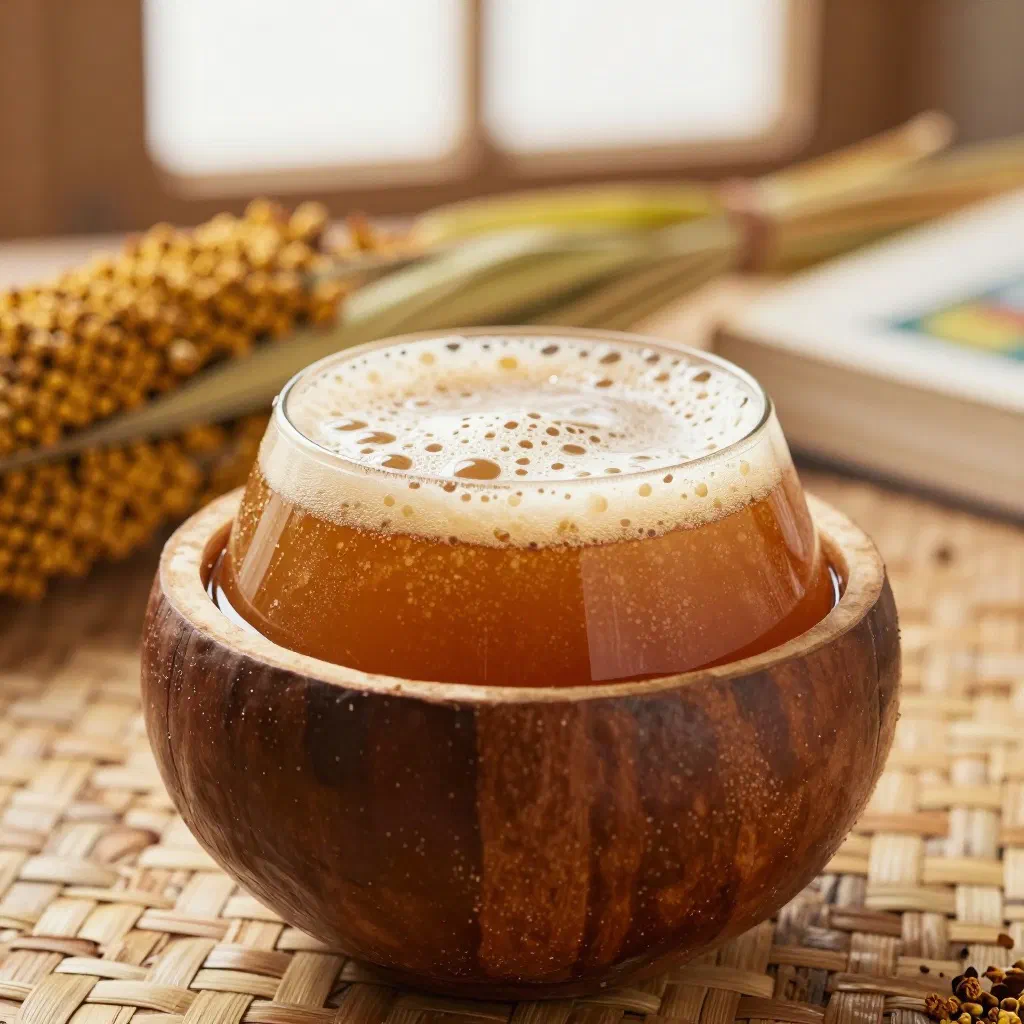
Discover Sorghum Beer, the gently fizzing, malty brew that West Africa has been making for generations. Known locally as bière de sorgho, it turns a handful of humble sorghum grains into a refreshing drink with a soft sweetness and an earthy, cereal backbone. It is poured at weddings, harvest celebrations and quiet evenings alike, and with a little patience you can ferment your own batch at home.
About Sorghum Beer
Sorghum Beer is a traditional drink with deep roots in the Ivory Coast. This particular style of beer is brewed from sorghum, a naturally gluten-free grain, and carries a flavour that is at once refreshing and malty. The drink has a long history across the region and is served above all at celebrations and festivals. With its light sweetness and lively character, sorghum beer makes an ideal companion to many traditional Ivorian dishes, from a bowl of Fufu to a plate of grilled fish.
Ingredients (serves 1–2)
- 200 g sorghum grains
- 1 litre water
- 100 g sugar
- 1 teaspoon yeast
- 1 pinch of salt
Shopping for the ingredients
The ingredients for sorghum beer are relatively easy to track down, particularly in African or Asian grocery shops. Sorghum is sold both as whole grains and as flour, and for brewing the whole grains are by far the better choice. The sugar can be swapped for another sweetener depending on your preference. When buying, make sure the yeast is fresh, since it is the single most important factor in a successful fermentation.
Preparing the dish
Preparing bière de sorgho takes a few basic steps to get the best result. First the sorghum should be washed thoroughly and left to soak, which allows the grain to soften and release its starches. The soaked sorghum is then boiled and blended so that its aromas are properly drawn out. This preparation stage is decisive for how the flavour of the finished beer develops.
Step-by-step instructions
- Soak the sorghum in water overnight.
- The next day, drain the water and boil the sorghum in fresh water for about 30 minutes.
- Blend the cooked sorghum into a mixture of water and sugar.
- Add the yeast and a pinch of salt, then stir thoroughly.
- Pour the mixture into a large container and leave to ferment at room temperature for 24 hours.
- After fermentation, strain the beer and bottle it.
Gluten-free / lactose-free version
Sorghum beer is naturally gluten-free, since it is brewed from sorghum rather than barley or wheat. That makes it an excellent choice for anyone with a gluten intolerance. The recipe also contains no dairy whatsoever, so it suits lactose-intolerant drinkers just as well. Enjoy it without a second thought. Just remember that clean, sterilised bottles are essential if you want the beer to keep.
Tips for vegans and vegetarians
With nothing more than sorghum, water, sugar and yeast, bière de sorgho is a thoroughly vegan and vegetarian drink. It is worth checking that every ingredient is genuinely plant-based, as some refined sugars are filtered through bone char. A good tip is to reach for unrefined sugar instead. It gives a rounder, more honest flavour and keeps the recipe entirely animal-free.
More tips and tricks
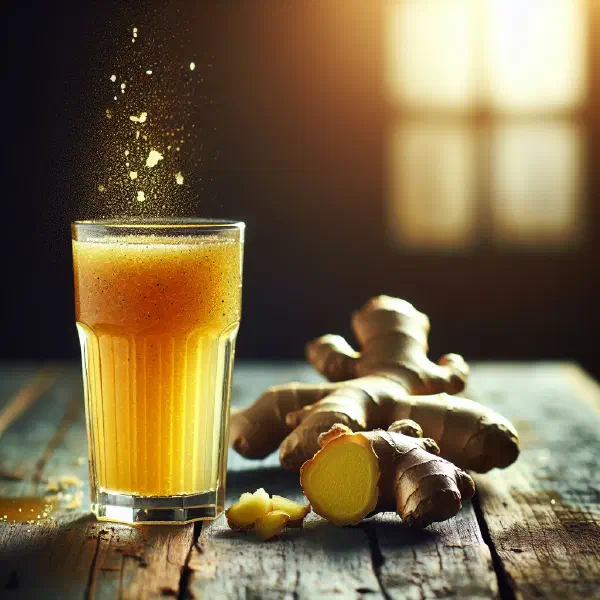
To push the flavour of sorghum beer further, a few extra ingredients go a long way. Try adding aromatics such as ginger or fresh fruit for a personal signature, the same fresh ginger that gives Jus de Gingembre its bite. The fermentation time can be adjusted too: a shorter ferment stays sweeter, a longer one turns drier and tangier. Be inventive and treat this recipe as a base for your own house version.
Adapting the recipe to your taste
The joy of bière de sorgho is how readily it bends to personal preference. You can raise the sweetness by adding more sugar, or experiment with natural sweeteners for a different character altogether. The herbs and spices are equally open to interpretation, letting you build quite distinct flavour profiles from one batch to the next. The more you experiment, the more rewarding the final result becomes.
Ingredient substitutions
If sorghum is not available to you, other gluten-free grains such as millet or rice will do the job, though each shifts the taste a little. Instead of sugar, try honey or agave syrup for a different kind of sweetness. Bear in mind that fermentation times vary depending on which grain and sweetener you use, so adjust the timing accordingly and taste as you go.
Drink pairing ideas
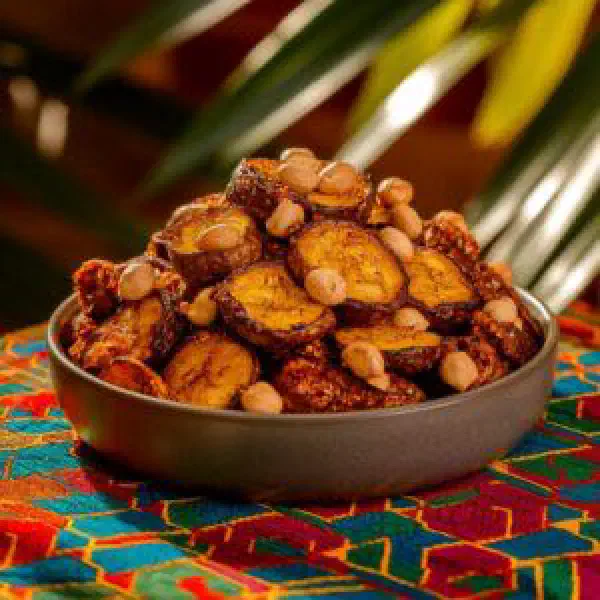
Sorghum beer sits beautifully alongside the traditional dishes of the Ivory Coast. It works particularly well with hearty plates such as Riz Gras or a slow-cooked Kedjenou. Lighter bites, grilled vegetables, fried plantain, a platter of fresh fruit, harmonise just as happily with the beer’s crisp finish. Try a few combinations and see how the flavours lift one another.
Serving and presentation ideas
Presentation does a great deal to convey the taste and the culture behind bière de sorgho. Use attractive glasses or earthenware mugs to serve it with a bit of ceremony. Garnish each glass with a wedge of lemon or a sprig of mint for a visual lift. Think about the setting too, traditional music and simple decorations help draw your guests into the world this drink comes from.
A bit of history
Bière de sorgho has a long tradition in the Ivory Coast and is poured at important festivals and ceremonies. The brewing knowledge was handed down through generations, passed from elder to apprentice at a time when every household made its own. That blend of cultural weight and simple pleasure is what makes sorghum beer such a distinctive experience, and it remains a fixture of social gatherings across Ivorian cuisine to this day.
More recipe ideas
Summary: Sorghum Beer
Sorghum beer is not only a tasty drink but a historically significant one for the Ivory Coast. Naturally gluten-free and endlessly adjustable to different palates, it has plenty to recommend it. The brewing process is relatively straightforward and leaves ample room for creative experiment. By pouring a glass of this singular beer you become part of a rich culinary tradition and catch a genuine taste of Ivorian culture.