National Dish Jordan: Falafel (Recipe)
In this article
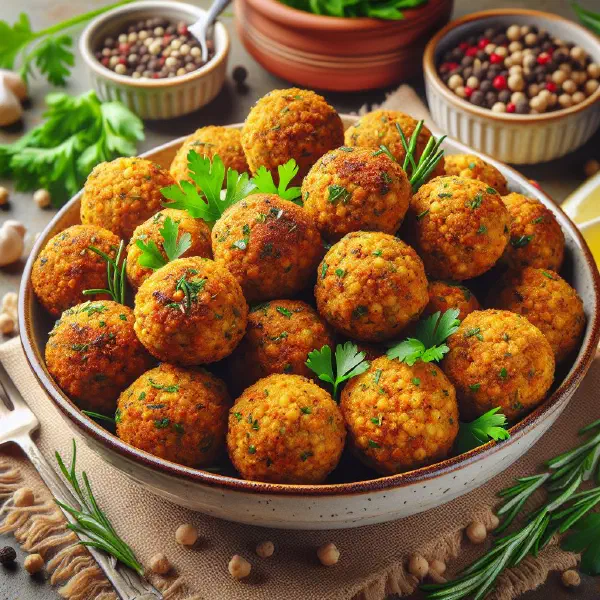
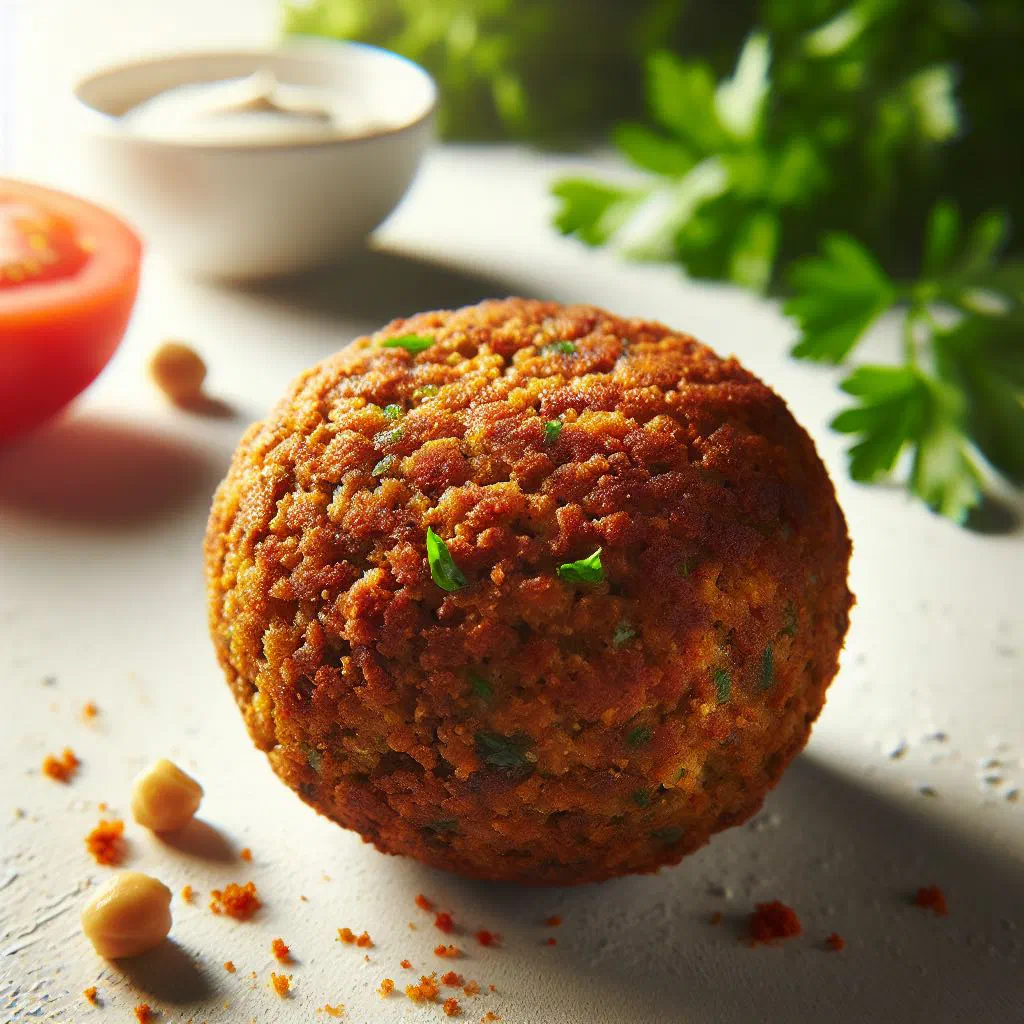
Discover Falafel, one of Jordan’s most beloved street foods. These crisp, golden balls of spiced chickpeas are packed with fresh herbs and a warming hit of cumin, then fried until deeply golden and served with a nutty tahini sauce. Naturally vegetarian and wonderfully satisfying, falafel works just as well tucked into warm flatbread on the go as it does plated up for a relaxed lunch at home. Bring the buzz of a Middle Eastern street stall straight into your own kitchen.
About Falafel
Falafel is a much-loved dish with its roots in the Middle East, and it holds a special place in Jordan’s culinary heart. These small, deep-fried balls of puréed chickpeas or beans are delicious and vegetarian and full of nourishment. They are often served in a warm flatbread alongside fresh vegetables and a generous drizzle of sauce. More than just a street-food classic, falafel makes a healthy and easy lunch or dinner that anyone can put together at home.
Ingredients (serves 1–2)
- 200 g dried chickpeas (soaked overnight)
- 1 small onion, chopped
- 2–3 cloves garlic, crushed
- 1 bunch fresh parsley, chopped
- 1 teaspoon ground cumin
- 1 teaspoon baking powder
- Salt and pepper to taste
- Oil for frying
Shopping for the ingredients
The ingredients for falafel are easy to find in most supermarkets or at a nearby Middle Eastern grocery. Aim for fresh, good-quality produce to get the best possible flavour. The chickpeas in particular are best bought dried rather than tinned, as soaking them gives a far better texture. If any ingredient proves tricky to track down, many are readily available online too.
Preparing the dish
Before you start making your falafel, it is important to soak the chickpeas overnight. This helps the finished balls turn out light, fluffy and easy to digest. Once soaked, the chickpeas should be drained and rinsed well. It is also worth prepping all the other ingredients, such as the onion and garlic, in advance so the cooking runs quickly and smoothly.
Step-by-step instructions
- Add the soaked chickpeas to a food processor with the onion, garlic, parsley and spices, and blitz to a coarse paste.
- Transfer the mixture to a bowl and stir in the baking powder. Season with salt and pepper.
- Shape the mixture into small balls, roughly the size of a walnut.
- Heat the oil in a deep pan and carefully fry the falafel until golden brown all over.
- Once cooked, drain the falafel on kitchen paper and serve hot.
Gluten-free / lactose-free version
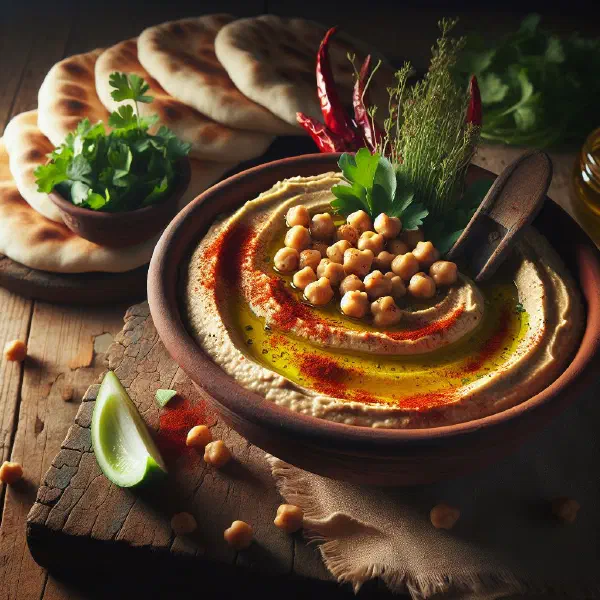
Falafel is naturally gluten-free and lactose-free, which makes it an excellent choice for anyone with an intolerance or allergy. Just take care not to serve it with gluten-containing sides, and make sure the oils and spices you use are gluten-free too. That way everyone can enjoy a safe and delicious meal. Falafel pairs beautifully with a simple salad or a bowl of hummus for a well-balanced plate.
Tips for vegans and vegetarians
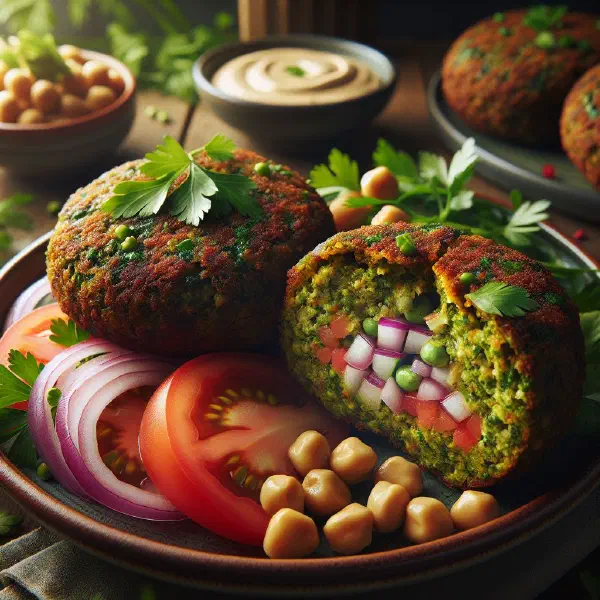
Falafel is a brilliant option for both vegans and vegetarians. You can take this treat even further by serving it with different sauces, such as tahini or a zingy yoghurt dip. Fold in fresh vegetables like tomatoes, cucumber and lettuce for a nutritious wrap. If you prefer a knife and fork, you can also serve the falafel as a salad. Simply arrange the balls on a bed of fresh greens.
More tips and tricks
To make sure your falafel turn out crisp on the outside and evenly cooked within, the temperature of the oil is key. Test it by dropping in a small piece of the mixture; if it starts to sizzle straight away, the oil is ready. You can also chill the falafel mixture in the fridge before frying, which improves the consistency.
Adapting the recipe to your taste
The lovely thing about falafel is just how versatile the ingredients are. If there are particular herbs or spices you love, don’t hesitate to work them into the mix. For a little extra heat you can add fresh chillies, or bulk out the mixture with grated courgette. If you prefer warmer, rounder flavours, a pinch of cinnamon or extra cumin can open up a whole new taste.
Ingredient substitutions
If you don’t have chickpeas to hand, you can also use other pulses such as black beans or red lentils. These bring a fresh flavour along with interesting nutrients of their own. The herbs and spices can be varied too, minty alternatives lend a refreshing note, much like the herbs that brighten a good Tabbouleh. Even the frying step can be swapped for baking in the oven if you fancy a lighter option.
Drink pairing ideas
Falafel pairs wonderfully with cool drinks such as ayran, a refreshing yoghurt-based drink, or freshly pressed pomegranate juice. Fancy something sweeter? A small glass of lime lemonade rounds things off nicely. For guests, you might offer a selection of Arabic teas to complete the meal. These drinks are nourishing and very refreshing. Perfect for any occasion.
Serving and presentation ideas
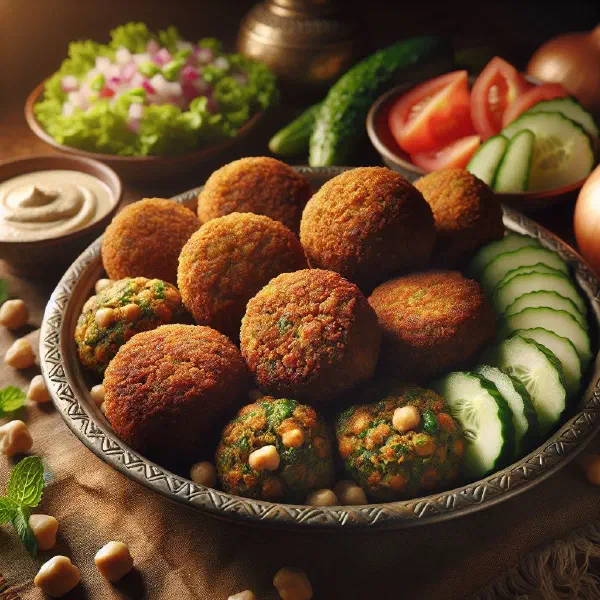
To serve your falafel with real flair, arrange them on a large platter with plenty of fresh vegetables. Small bowls of different sauces, such as hummus or Baba Ganoush, add visual interest and invite everyone to dip in. A scattering of freshly chopped mint or coriander not only brings colour but extra flavour too. You could also wrap the falafel in a small flatbread and secure it with a cocktail stick. It looks great and makes the food easier to eat.
A bit of history
The story of falafel reaches all the way back to ancient Egypt, where it was probably first made from beans. Over time these tasty little balls found their way across other parts of the Middle East, taking on different ingredients and preparations along the way. In Jordan, falafel is regarded as a national favourite and can be found in countless restaurants and street stalls. It is a culinary tradition often served at festivals and celebrations, being both delicious and nourishing, a shining example of Jordanian cuisine.
More recipe ideas
Summary: Falafel
Making falafel is simple and a healthy and tasty option for anyone eating a vegetarian or vegan diet. With so many combinations and ways to adapt it, this dish positively invites you to experiment. Thanks to its many sides and presentation ideas, every meal becomes a real occasion. Whether in a restaurant or at home, falafel is always a delicious choice.