National Dish Jordan: Fattet Hummus (Recipe)
In this article
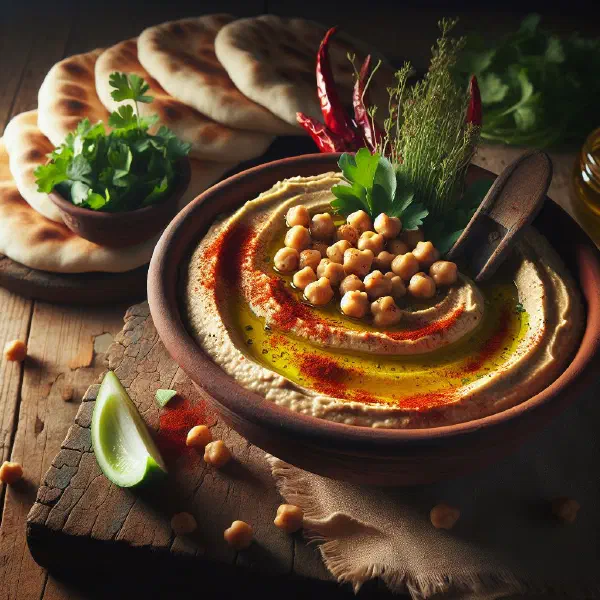
Discover Fattet Hummus, a comforting Jordanian classic that layers crisp toasted flatbread with creamy hummus and warmly spiced chickpeas. This is the kind of dish that turns a handful of humble pantry staples into something generous and celebratory, all knitted together with olive oil, garlic and a whisper of cumin. Easy to assemble yet full of contrasting textures, it brings a taste of Middle Eastern hospitality straight to your table.
About Fattet Hummus
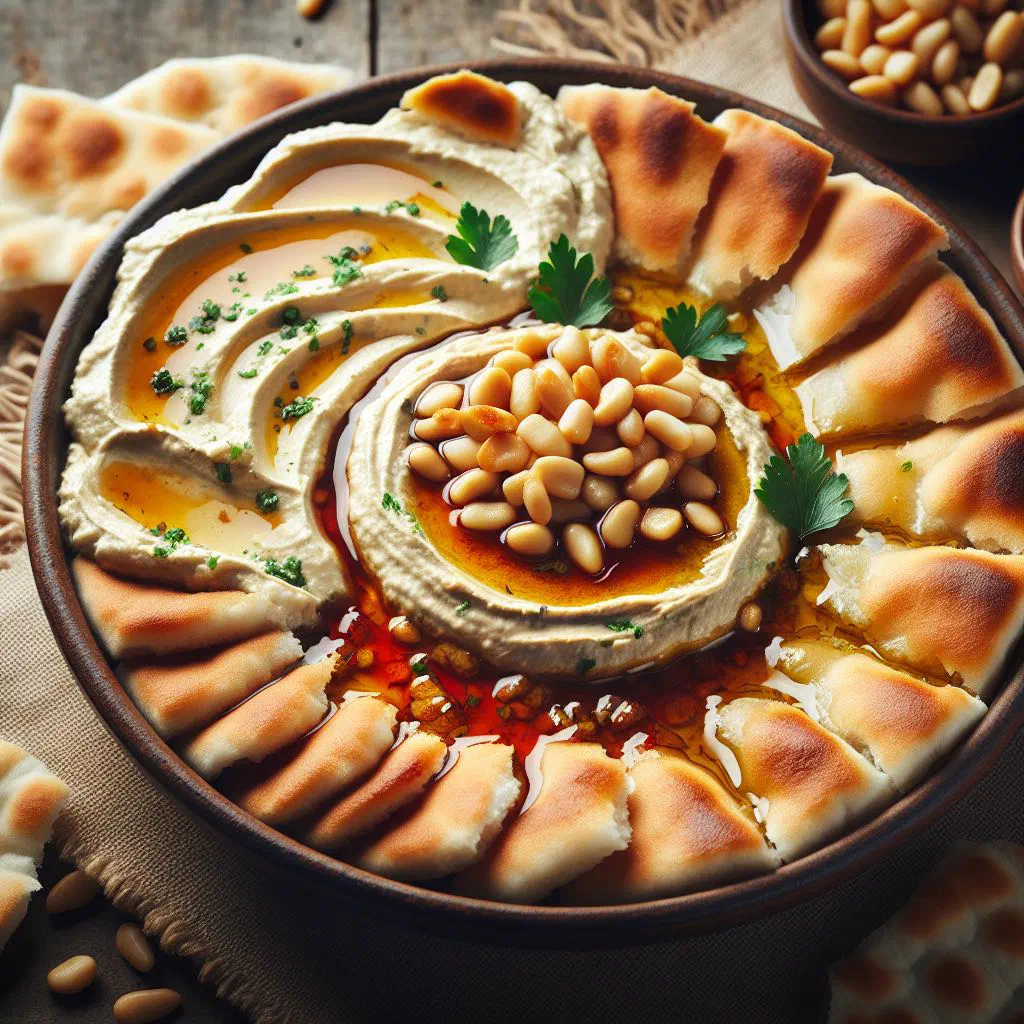
Fattet Hummus is a beloved dish that charms with its harmonious combination of flatbread, hummus and chickpeas. It has its origins in the former Ottoman Empire and has become a timeless favourite in many Arabic households. Each element brings flavour and a wonderful variety of textures to the plate. The interplay of crisp bread, creamy hummus and savoury chickpeas makes Fattet Hummus an incomparable treat.
Ingredients (serves 1–2)
- 2 medium flatbreads
- 200 g hummus (homemade or shop-bought)
- 150 g chickpeas (tinned or freshly cooked)
- 2 tablespoons olive oil
- 1 teaspoon lemon juice
- 1 clove garlic, chopped
- 1 teaspoon cumin
- Fresh parsley, to garnish
Shopping for the ingredients
When shopping for the ingredients for Fattet Hummus, it is worth paying attention to the quality of the produce. A good choice is high-quality olive oil, as it lends the dish a special note. Chickpeas can be freshly prepared or bought tinned, though the fresh ones often carry more flavour. Look out too for fresh herbs to brighten the dish visually and add extra taste. Many of these staples sit at the heart of Jordanian cuisine and are easy to find in most supermarkets.
Preparing the dish
Preparing Fattet Hummus is straightforward and calls for no special culinary skills. Begin with the chickpeas, and if you are using fresh ones, let them cool thoroughly. The flatbread can be torn into small pieces to ensure it is evenly distributed throughout the dish. The hummus can be refined with extra spices to taste, making the aromas even more intense.
Step-by-step instructions
- Preheat the oven to 180°C and toast the flatbread pieces for 10 minutes until crisp.
- Heat a little olive oil in a pan and sauté the chickpeas with the garlic and cumin.
- In a large bowl, combine the toasted bread with the hummus.
- Spoon the sautéed chickpeas over the bread and hummus and mix carefully.
- Finish with a squeeze of lemon juice and fresh parsley, then serve warm.
Gluten-free / lactose-free version
Fattet Hummus lends itself beautifully to a gluten-free preparation. Simply swap the flatbread for gluten-free bread or gluten-free crackers. Make sure the hummus is gluten-free too, especially if it is shop-bought. If you follow a lactose-free diet, it is worth checking the labels on the hummus and the oil you use to be sure they suit your needs.
Tips for vegans and vegetarians
Fattet Hummus is naturally vegan and vegetarian, as it contains no animal products at all. Use fresh ingredients and spices to achieve the best flavour. For an extra hit of protein you can add more chickpeas or even other pulses. Experiment with different spices to tailor the dish exactly to your liking, much as you would with a plate of Falafel.
More tips and tricks
A few simple tips and tricks can help you perfect your Fattet Hummus. Let the bread cool a little before mixing it with the hummus so it does not turn too soggy. A good balance between chickpeas and hummus is key to the flavour, so taste as you go and adjust the two components carefully. Fresh herbs as a garnish add both colour and aroma to the finished dish.
Adapting the recipe to your taste
Fattet Hummus can be tweaked easily according to your preferences. Add roasted nuts or pieces of vegetable, for example, for extra crunch. Experiment with different hummus varieties, such as beetroot or avocado, for a distinctive twist. And do not forget to adjust the spices too, to create different flavour profiles.
Ingredient substitutions
If you do not have certain ingredients to hand, there are plenty of alternatives you can turn to. Instead of flatbread you might use pita bread or even tortillas. For the hummus, different pulses such as white beans or lentils can offer an exciting change. Be creative and adapt the recipe to whatever is in your store cupboard or to your own taste, the same flexible spirit behind a bowl of Chickpea Salad.
Drink pairing ideas
To round off your Fattet Hummus, a range of drinks can be served alongside. A fresh mint tea pairs beautifully and brings a refreshing note. Alternatively, light white wines such as Sauvignon Blanc or a crisp rosé make a good choice. Match the drinks to the spices in the dish to bring out its flavour profile.
Serving and presentation ideas
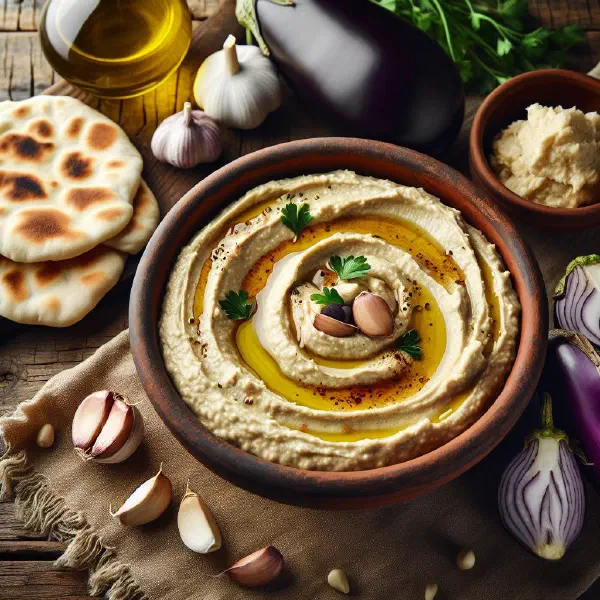
Presentation plays a big part in impressing your guests. Serve Fattet Hummus in a decorative bowl and garnish generously with fresh parsley and a drizzle of olive oil. Use colourful plates and round out the dish with some fresh vegetable sticks or olives on the side. A beautiful, tasteful presentation makes the meal all the more enjoyable. Perfect as part of a mezze spread with Baba Ganoush.
A bit of history
Fattet Hummus has a history that reaches back to the days of the Ottoman Empire. It reflects the cultural diversity of the Middle East and is often served at festive occasions and family gatherings. Its versatility and hearty aromas have carried it into many kitchens around the world. In Jordan, the dish is a symbol of hospitality and togetherness.
More recipe ideas
Summary: Fattet Hummus
Fattet Hummus is a delicious and versatile dish that celebrates the flavours of the Middle East. It brings together the softness of flatbread, the creaminess of hummus and the savoury bite of chickpeas into a harmonious whole. Ideal for festive occasions or simply as a tasty meal to enjoy any time, it puts a piece of Jordanian culture on your table. Let its simplicity and its many possible variations inspire you, and savour a hearty, flavour-packed dish.