National Dish Jordan: Freekeh (Recipe)
In this article
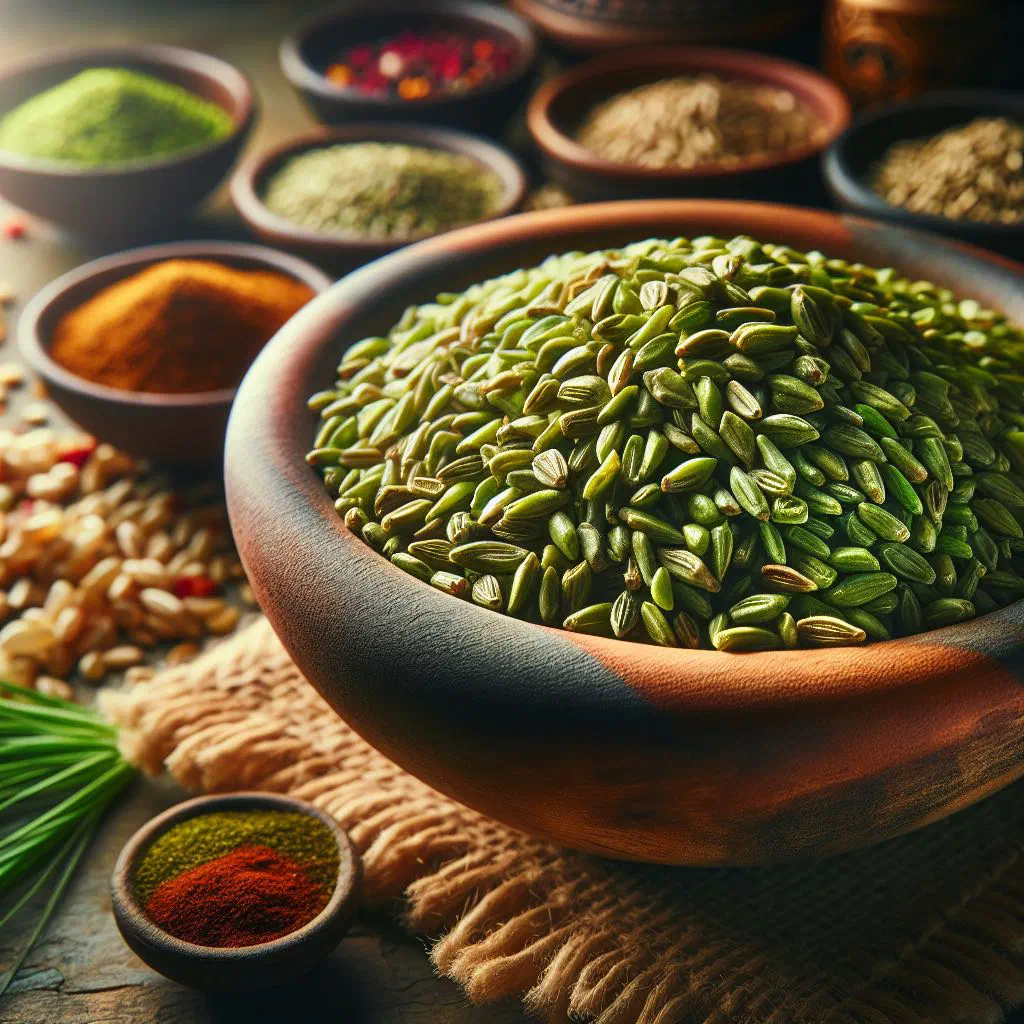
Discover Freekeh, a wholesome Jordanian favourite made from roasted green wheat. This nourishing grain carries a smoky, nutty depth that turns a simple pot of comfort food into something memorable. Rich in fibre and protein, it suits vegetarians and meat lovers alike and slots effortlessly into everyday cooking. Bring a taste of the Middle East to your own kitchen with this satisfying, easy-going classic.
About Freekeh
Freekeh is a traditional dish made from roasted green wheat, with roots that run deep across the Middle East. Prized as a healthy and nourishing staple, it has earned a loyal following far beyond the region. Its unmistakable flavour combines smoky, nutty aromas that blend beautifully into a wide range of dishes. On top of that, freekeh is packed with fibre and protein, making it an ideal choice for anyone who eats with health in mind.
Ingredients (serves 1–2)
- 200 g freekeh
- 500 ml vegetable stock or water
- 1 onion, finely chopped
- 2 cloves of garlic, chopped
- 1–2 tablespoons olive oil
- Salt and pepper to taste
- Fresh herbs (such as parsley or mint), to garnish
Shopping for the ingredients
Freekeh is available in many supermarkets and Middle Eastern grocers, and you can also find it in specialist health-food shops or online. Take a moment to check the quality of the grain to be sure of the best aroma and full nutritional value. Fresh ingredients such as onions and garlic lend the dish a lovely character, much as they do in a bowl of hearty Mujadara. If you have any questions about where the freekeh comes from, do ask the seller, good-quality produce is often well worth the extra cost.
Preparing the dish
Before you start cooking freekeh, it pays to gather and prepare all your ingredients. That means the onions and garlic should be chopped and the freekeh thoroughly rinsed. Rinsing washes away any bitter notes and improves the overall flavour. It is also worth heating the vegetable stock or water in advance to speed the cooking along.
Step-by-step instructions
- Heat the olive oil in a pan and add the onions. Sauté over medium heat until soft and lightly golden.
- Add the chopped garlic and fry briefly until fragrant.
- Tip the freekeh into the pan and toast it for about 2 minutes so it takes on the aromas.
- Pour in the hot vegetable stock or water and bring everything to the boil.
- Cover the pan and let it simmer for around 20–25 minutes, until the freekeh is tender.
- Season with salt and pepper and garnish with fresh herbs just before serving.
Gluten-free / lactose-free version
Freekeh is naturally gluten-containing, as it is a form of wheat. For anyone with a gluten intolerance, quinoa or rice make excellent alternatives, offering similar nutritional value. When choosing your stock, opt for a gluten-free version to keep the whole dish suitable. The recipe is naturally lactose-free, which makes it a good fit for a wide range of diets.
Tips for vegans and vegetarians
Freekeh is a superb choice for vegans and vegetarians, as it slips easily into plant-based cooking. To play up its nutty flavour, add grilled vegetables or pulses to broaden the range of nutrients. A splash of lemon juice also helps round out the taste and lift the freshness. Experiment with different spices to give the dish your own personal signature.
More tips and tricks
To coax the full flavour from freekeh, toast the grain before cooking. This deepens the aromas and hints at the dish’s distinctive origins. You can also swap the stock for herbal infusions or a homemade broth to create a flavour all your own. Reaching for wholefood ingredients will lift the nourishing side of the dish even further.
Adapting the recipe to your taste
The recipe for freekeh is wonderfully adaptable. Feel free to add different vegetables or proteins according to your own preferences. Roasted nuts, feta cheese or even olives all work well for a Mediterranean touch. The spices can be varied to taste too, a little paprika or cumin adds a warming layer of flavour that complements the grain beautifully.
Ingredient substitutions
If you are not keen on onions, swap them for shallots or spring onions, which bring a milder aroma. For a quicker version, frozen vegetables such as peas or peppers work nicely. As for the herbs, dried herbs can stand in for fresh ones. Just remember to reduce the quantity. Substitutions like these add variety and introduce fresh flavours to the dish, in the same spirit as a warming Lentil Soup.
Drink pairing ideas
A range of drinks pairs beautifully with a flavourful plate of freekeh. A light white wine harmonises with the dish and brings a fresh note to the table. For alcohol-free options, a yoghurt drink or homemade lemonade tempers the intensity nicely. A lightly spiced tea, much like a fragrant Karak Tea, makes a refreshing companion and underlines the dish’s Middle Eastern character.
Serving and presentation ideas
For an attractive presentation of freekeh, arrange the dish on a handsome plate. Serve it on a bed of green leaves or alongside grilled vegetables to create a lively contrast of colour. A zesty lemon wedge makes a simple edible garnish that improves both the look and the flavour.
A bit of history
The roots of freekeh reach back to ancient times in the Mediterranean, where it first served as a food source for nomadic peoples. Its practical nature helped drive its popularity, as it is easy to prepare and to store. In many Arab cultures freekeh holds a firm place in traditional feasts and celebratory occasions, appearing alongside beloved classics of Jordanian cuisine such as Mansaf. Today it is growing ever more popular not only across the Middle East but in many Western countries too, as part of a healthy diet.
More recipe ideas
Summary: Freekeh
Freekeh is a versatile and nourishing dish that is easy to prepare and offers plenty of flavour along the way. The combination of smoky aromas and health benefits makes it an outstanding choice. With a few tweaks and variations you can shape the recipe to your own taste. Discover the joy of this traditional dish and let its delicious flavours win you over.