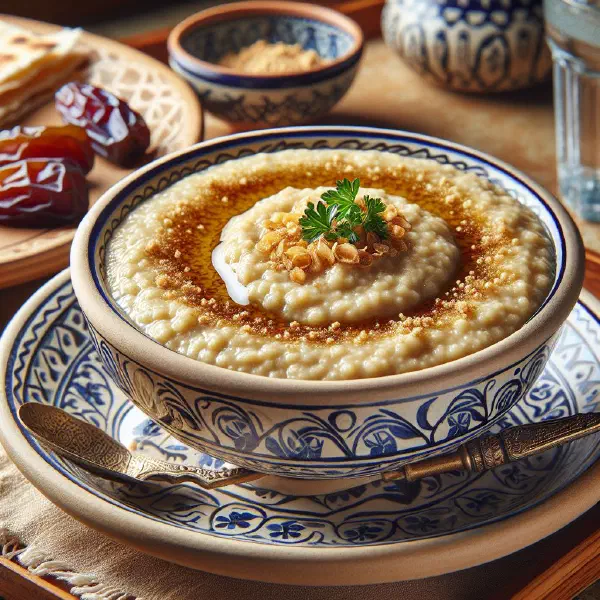
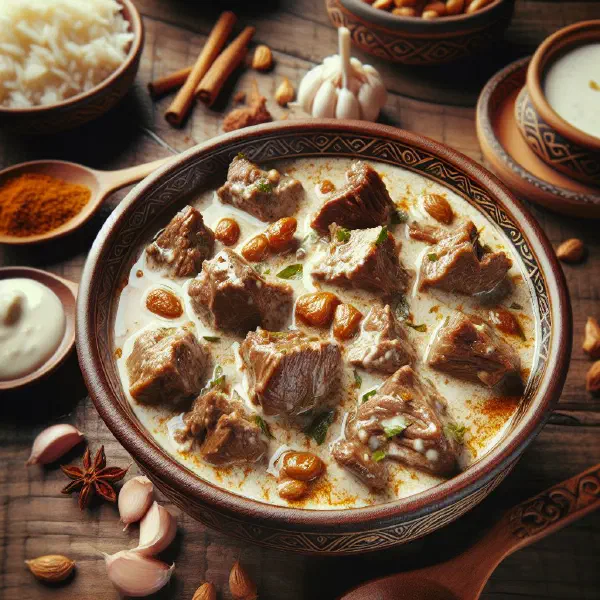
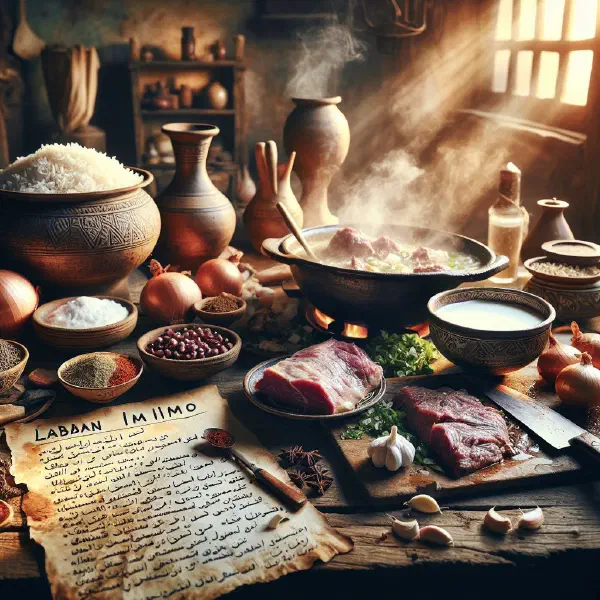
National Dish Jordan: Hareeseh (Recipe)
In this article
Discover Hareeseh, a comforting classic of the Jordanian table. This hearty dish brings together fine wheat semolina and meltingly tender meat, lifted with warm, aromatic spices. Nourishing yet deeply flavoursome, it is the sort of food that draws family and friends together, as much at home on a festive table as at an everyday supper. Bring a taste of Jordan’s rich culinary heritage straight into your own kitchen.
About Hareeseh
Hareeseh is a traditional Jordanian dish that has pleased whole generations. Built around a combination of fine wheat semolina and tender meat, it is both nourishing and full of flavour. A blend of aromatic spices gives the dish a special depth and makes it an indispensable part of Jordanian cooking. Whether for celebrations or everyday meals, hareeseh brings families and friends together and is an expression of Jordan’s rich culinary tradition.
Ingredients (serves 1–2)
- 200 g wheat semolina
- 300 g tender meat (e.g. lamb or chicken)
- 850 ml water or stock
- 1 onion, finely chopped
- 1 tsp salt
- 1 tsp cumin
- 1 tsp cinnamon
- 2 tbsp olive oil
Shopping for the ingredients
To make the perfect hareeseh, it is important to choose the right ingredients. The quality of the meat plays a decisive role in the flavour of the finished dish, so visit a local butcher or market to pick up something fresh. The wheat semolina should be fine and well milled too, ensuring you get the very best consistency.
Preparing the dish
Preparation is an essential step in coaxing out the best aromas. Begin by cutting the meat into small pieces and finely chopping the onion. It is a good idea to measure out the spices in advance to make the cooking process easier. Good groundwork keeps everything flowing smoothly and efficiently once you start to cook.
Step-by-step instructions
- Heat the olive oil in a large pot and sauté the onion until translucent.
- Add the meat and brown it lightly.
- Pour in the water or stock and add the salt, cumin and cinnamon.
- Stir in the wheat semolina and let everything simmer over medium heat until the liquid has been absorbed.
- Finish with a little extra oil or seasoning to taste and serve.
Gluten-free / lactose-free version
For a gluten-free version of hareeseh, you can use a gluten-free grain flour in place of the wheat semolina. This changes the texture but can taste very similar. For a lactose-free preparation, take care to use plant-based oils rather than butter, guaranteeing an equally tasty and nourishing meal. That way the dish stays open to every dietary need.
Tips for vegans and vegetarians
Vegan or vegetarian versions of hareeseh can be created using vegetable stock and pulses such as lentils or chickpeas. These ingredients offer a good protein alternative while boosting the nutritional density of the dish. Bring in bright colours and textures with extra vegetables too. Creative tweaks like these can make the dish healthier and more appealing, much like a wholesome bowl of Mujadara.
More tips and tricks
A nourishing side such as a salad can round the dish off perfectly. Adding fresh herbs like parsley or coriander brings bright aromas that finish the meal beautifully. Be sure to stir hareeseh regularly to prevent it catching and to achieve an even consistency. Experiment with different spices to find your own personal flavour.
Adapting the recipe to your taste
The lovely thing about hareeseh is how easily it adapts to personal preference. Like it spicier? Add chilli or a pinch of cayenne pepper. For a sweeter note, work in a little sugar or dried fruit such as apricots or raisins. Give your creativity free rein and discover new flavour combinations that will pleasure your family and friends.
Ingredient substitutions
If you do not have every ingredient to hand, there are several alternatives that taste just as good. Instead of lamb you can use chicken or even beef, depending on your taste. The wheat semolina can be swapped for polenta for a heartier variation.
Drink pairing ideas
To accompany your hareeseh, refreshing drinks are ideal. Jus, a sweet Jordanian citrus juice, goes wonderfully with it and underlines the savoury flavour. A traditional mint tea is another excellent choice that rounds off the meal. For an alcohol-free option, offer sparkling water with a squeeze of lemon.
Serving and presentation ideas
Presentation is key to making the dish even more inviting. Serve the hareeseh in a large, decorative bowl and garnish it with fresh herbs such as parsley or mint. Small dishes of accompaniments like yoghurt or pickled vegetables add extra flavour and make the meal more exciting. Conveying a touch of culture through the right tableware and plating can enrich the whole experience.
A bit of history
Hareeseh has a long and fascinating history, rooted deep in the cultural tradition of Jordan. It was originally prepared for large celebrations and special occasions, bringing the community together. The preparation and ingredients vary from region to region, so every family has its own version. The dish is a symbol of hospitality and the keeping of traditions, making it an irreplaceable part of Jordanian food culture, a spirit it shares with the national favourite Mansaf, the heart of Jordanian cuisine.
More recipe ideas
Summary: Hareeseh
In summary, hareeseh is a versatile and delicate dish that suits any occasion. With its easily adaptable recipe and rich aromas, hareeseh brings a piece of Jordanian culture straight into your kitchen. Whether for a festive meal or a cosy family supper, this dish lingers in the memory and tastes of tradition. Dive into the world of Jordanian cooking and enjoy the appeals to it has to offer.