National Dish Jordan: Ka'ak El Eid (Recipe)
In this article
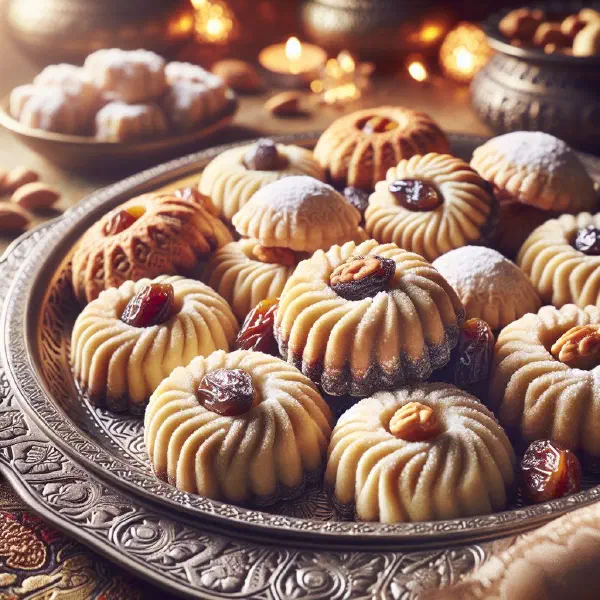
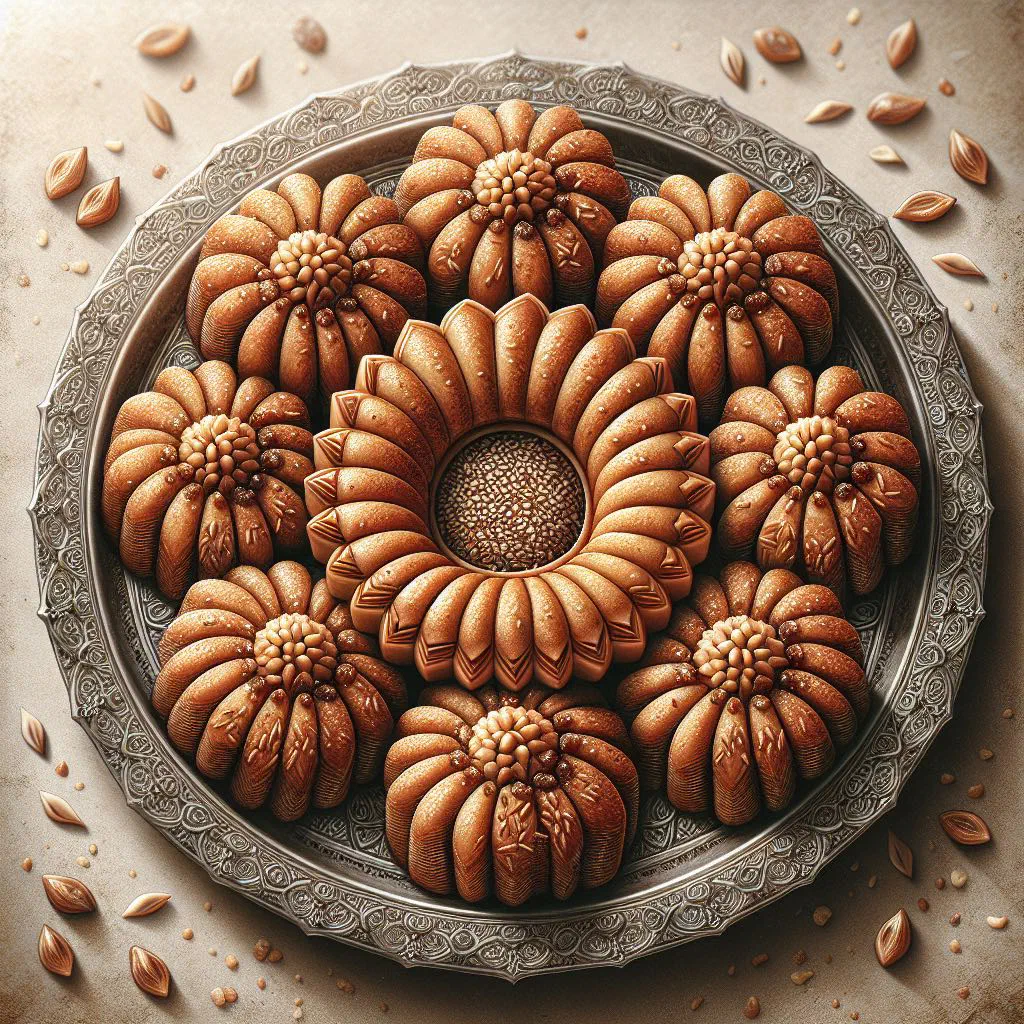
Meet Ka’ak El Eid, the fragrant festive cookies that no Jordanian celebration would feel complete without. These little rounds pair a tender, buttery dough with a filling of chopped nuts and warming cinnamon, and they are traditionally baked in generous batches to share with family and friends. They carry all the warmth and hospitality of a Jordanian feast.
About Ka’ak El Eid
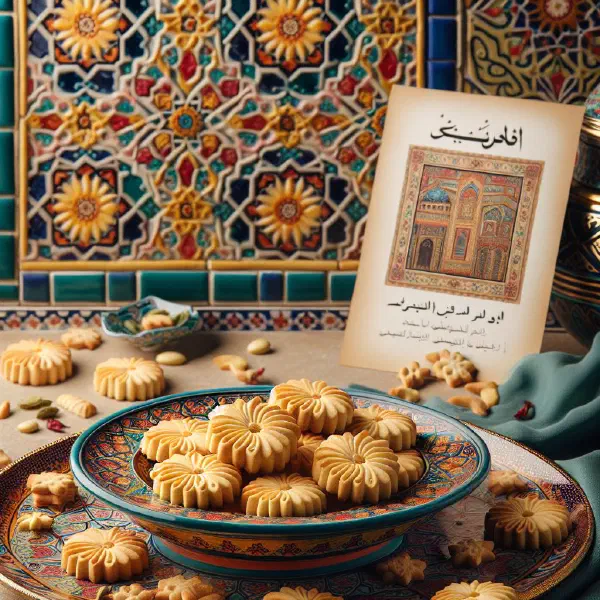
Ka’ak El Eid is a traditional Jordanian pastry that takes pride of place at festive occasions. These round cookies are delicious and a symbol of togetherness and hospitality. During longer celebrations such as Eid, they are often prepared in large quantities and shared with family and friends.
Ingredients (serves 1–2)
- 200 g flour
- 50 g butter or margarine
- 100 g chopped nuts (such as almonds or walnuts)
- 50 g sugar
- 1 tsp cinnamon
- 1 tsp baking powder
- 1 pinch of salt
- Water as needed
Shopping for the ingredients
When making Ka’ak El Eid it is well worth choosing the freshest ingredients you can find. Visit your local supermarket or an Arabic grocery to track down the components you need. Pay particular attention to the nuts, as they form the filling and are decisive for the flavour. Good-quality spices such as cinnamon matter just as much, ensuring the cookies keep their authentic, aromatic character.
Preparing the dish
Before you start making Ka’ak El Eid, gather all your ingredients and roughly chop the nuts if needed. Thorough preparation makes the whole process far easier. If you have an allergy to certain nuts, simply swap them for another kind that suits you. It also helps to bring your ingredients to room temperature beforehand, especially the butter or margarine, so the dough comes together smoothly.
Step-by-step instructions
- In a large bowl, combine the flour with the baking powder, sugar, cinnamon and salt.
- Add the softened butter or margarine and knead well until you have a smooth, even dough.
- Gradually work in a little water at a time until the dough is supple and pliable.
- Tip the chopped nuts into a separate bowl and, if you like, mix them with a little extra cinnamon and sugar.
- Shape the dough into small balls and press a hollow into the centre of each to hold the nut filling.
- Arrange the cookies on a lined baking tray and bake at 180°C for about 15–20 minutes, until golden brown.
Gluten-free / lactose-free version
For anyone with a gluten or lactose intolerance, there are easy ways to adapt Ka’ak El Eid. Use a gluten-free flour, now widely available in most supermarkets. In place of butter, reach for a lactose-free margarine or a plant-based butter alternative. That way, guests on special diets can still enjoy these festive cookies without missing out on their distinctive flavour.
Tips for vegans and vegetarians
Vegans and vegetarians can savour Ka’ak El Eid too, with just a few simple swaps. Replace the butter with a plant-based alternative to create a fully vegan version. Lean on the nuts as your ready-made filling, since they bring both excellent protein and healthy fats. This keeps the recipe nourishing and full of flavour while remaining entirely plant-based.
More tips and tricks
For perfect Ka’ak El Eid, a few extra pointers go a long way. Letting the dough rest briefly before shaping gives the flavours time to develop. You can also vary the nuts to suit your taste, or even experiment with dried fruit in the filling. Small tweaks like these often make a surprising difference to both flavour and texture.
Adapting the recipe to your taste
Everyone has their own preferences when it comes to flavour and preparation. Feel free to cut back on the sugar if you like things less sweet, or experiment with different spices to add your own personal touch. The filling is easy to diversify too. Try folding in a few chocolate chips or combining several kinds of nut. That way, every batch offers a fresh new taste experience.
Ingredient substitutions
If you happen to be missing an ingredient, there is no need to worry, Ka’ak El Eid is easily adapted. Pistachios work beautifully in place of walnuts, much like the nut-rich filling of Maamoul, while coconut oil can stand in for butter and lend a lovely flavour of its own. If cinnamon is not to your liking, a little nutmeg or a pinch of cardamom will keep the cookies warmly aromatic.
Drink pairing ideas
Plenty of drinks round off the Ka’ak El Eid experience. A fresh mint tea or an aromatic black tea sits perfectly alongside the crisp cookies. If you prefer something sweeter, try a rose-water lemonade, which echoes the spices in the filling. Sweet, syrupy sippers such as Jallab make an equally festive match. These pairings help turn any gathering into something truly memorable.
Serving and presentation ideas
A thoughtful presentation can heighten the pleasure of Ka’ak El Eid enormously. Serve the cookies on a large, decorative plate and garnish with fresh mint leaves or edible flowers. An attractive table setting with traditional tableware adds to the festive mood. Choosing beautiful serving dishes helps underline the Middle Eastern flair of these celebratory treats.
A bit of history
The roots of Ka’ak El Eid reach far back into the history of the region. Originally they were baked as festive cookies to mark important religious celebrations. Over the years the recipe has continually evolved and today it is a firm fixture at gatherings across many Arabic cultures. Sharing these little cookies symbolises community and the family bonds celebrated during festive occasions, much as sweets like Basbousa do throughout Jordanian cuisine.
More recipe ideas
Summary: Ka’ak El Eid
Ka’ak El Eid is far more than a simple pastry; it is a symbol of community and a window onto the beauty of Jordanian culture. The combination of crisp cookies filled with aromatic nuts and spices makes them a perfect treat for any festive gathering. This recipe invites you to dive into the sweet traditions of Jordan, and offers countless ways to adapt it to different tastes and needs. Give it a try and bring a little of the Middle East into your own kitchen.