National Dish Jordan: Kabsa (Recipe)
In this article
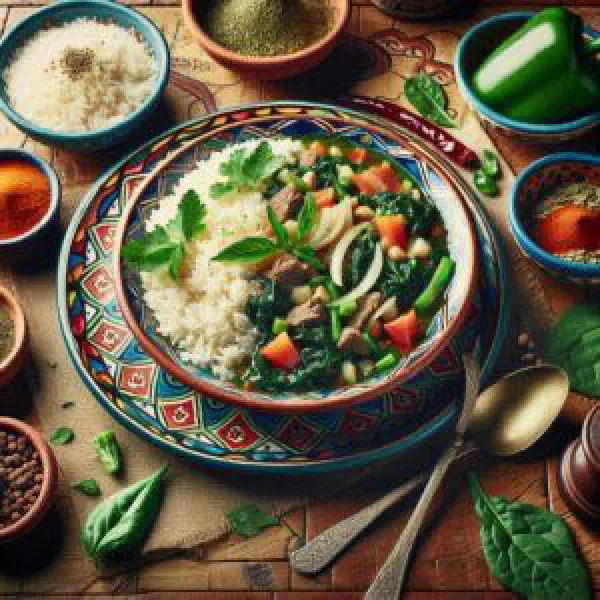
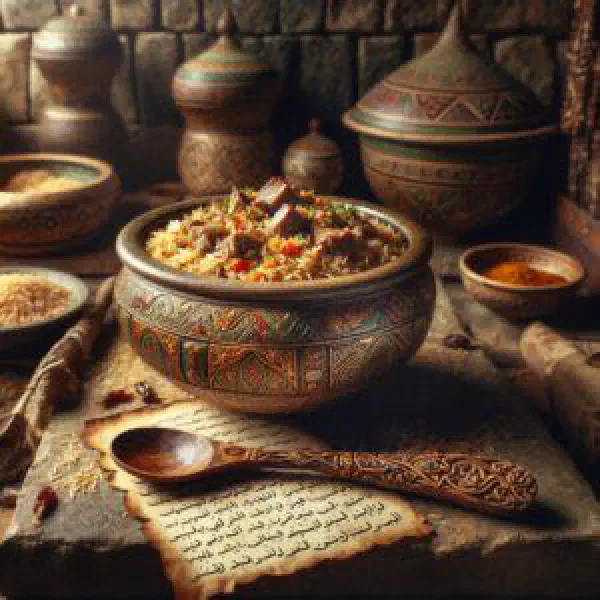
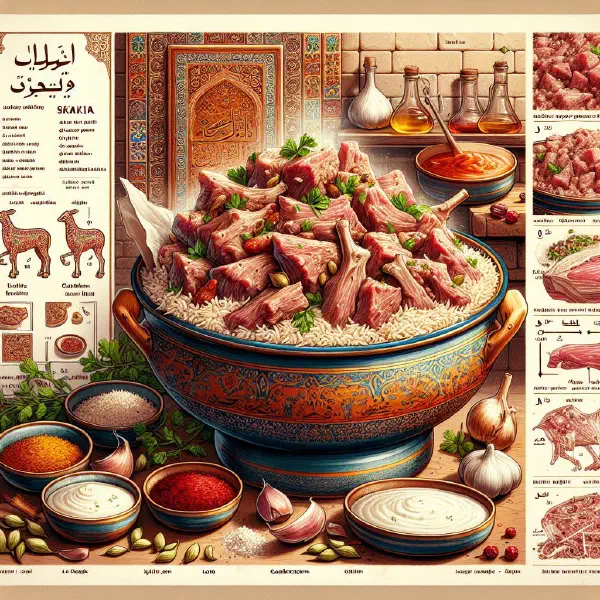
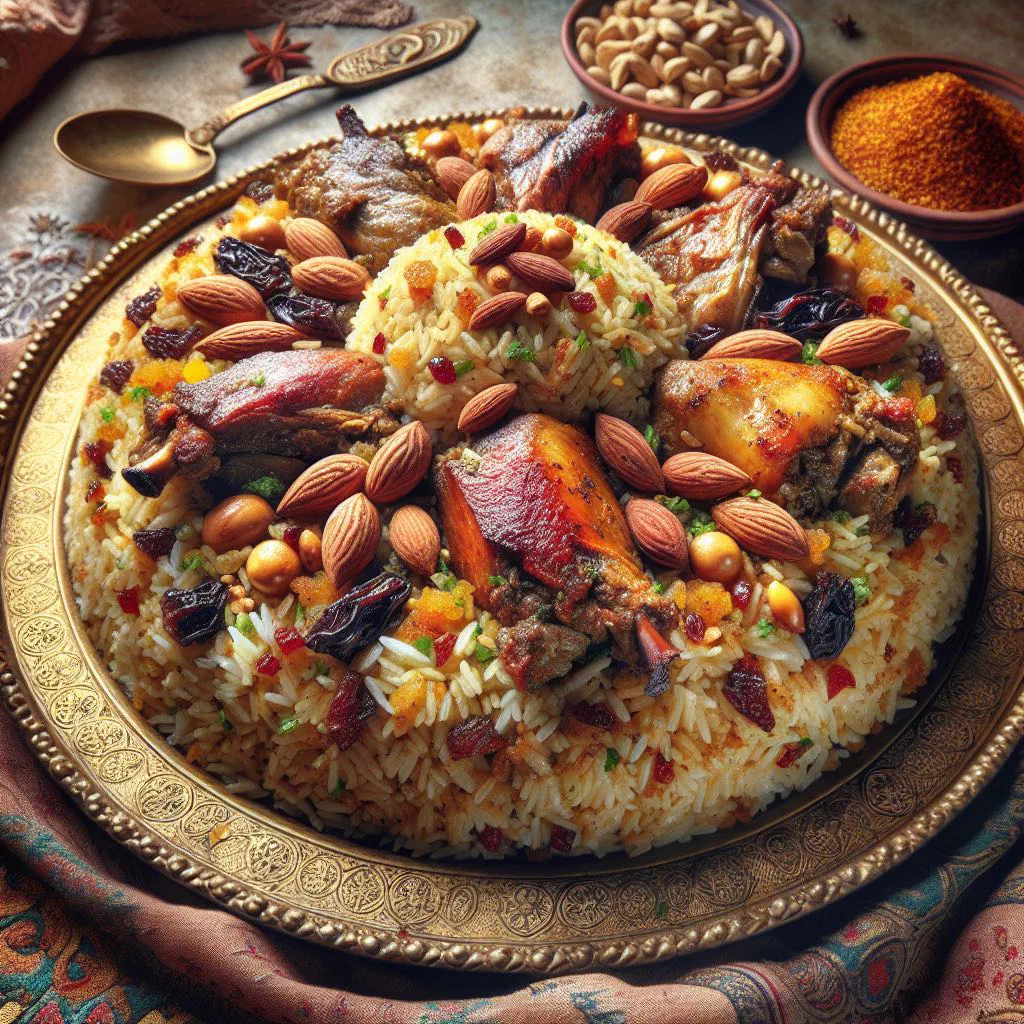
Bring the warm aromas of the Middle East to your own kitchen with Kabsa, one of Jordan’s most cherished dishes. This fragrant one-pot supper marries tender meat with aromatic rice and a generous handful of spices for a meal that feels every bit as special as it tastes. It graces festive tables and family gatherings alike, yet it is simple enough for a comforting weeknight dinner. The cooking takes a little time, but every minute is worth it once those spice-laden flavours reach the table.
About Kabsa
Kabsa is a traditional dish that is hugely popular in Jordan and across the wider Arab world. It is celebrated for its combination of tender meat, aromatic rice and a wealth of spices that come together to create a memorable eating experience. It is often served at celebrations and festive occasions, but it also makes an excellent choice for a straightforward evening meal. The preparation calls for a little patience, though the reward is the taste of the Orient on every forkful.
Ingredients (serves 1–2)
- 200 g basmati rice
- 250 g chicken (or beef)
- 1 onion
- 2 cloves of garlic
- 2 tomatoes
- 1 teaspoon cumin
- 1 teaspoon coriander
- 1 teaspoon paprika
- 1 teaspoon cinnamon
- Salt and pepper, to taste
- 2 tablespoons olive oil
- A few almonds or raisins, to garnish (optional)
Shopping for the ingredients
When it comes to making Kabsa, choosing fresh, good-quality ingredients makes all the difference. The rice should ideally be basmati, prized for its light texture and fragrant flavour. The meat plays a decisive role, so it is worth picking a tender cut. Buy your spices as fresh as possible to draw out their full flavour, much as you would for a comforting bowl of Mandi.
Preparing the dish
Getting everything ready is the first step towards a successful Kabsa. Begin by cutting the meat into bite-sized pieces and finely chopping the onion and garlic. The tomatoes should be washed and diced. It is a good idea to measure out the spices in advance so the cooking runs smoothly. These small preparations make a real difference to the final result.
Step-by-step instructions
- Heat the olive oil in a pan and fry the onions until golden brown.
- Add the meat and cook until lightly browned.
- Stir in the chopped garlic and the spices, mixing everything well.
- Add the diced tomatoes and let everything simmer for a few minutes.
- Add the washed rice and pour in enough water to cover it.
- Cover the pan and leave to simmer over low heat for 20–25 minutes, until the rice is cooked.
- Fluff the rice with a fork and garnish to taste with almonds or raisins.
Gluten-free / lactose-free version
Kabsa is naturally gluten-free and lactose-free, since its main ingredients are rice and meat. Do take care, though, to avoid any spice blends that contain gluten. For a version suitable for those with a lactose intolerance, simply use olive oil in place of butter. That way everyone can enjoy the dish without worrying about intolerances.
Tips for vegans and vegetarians
For a vegan or vegetarian version of Kabsa, you can easily swap the meat for vegetables or tofu. Seasonal vegetables such as courgette, aubergine or carrots work beautifully and lend the dish a pleasant texture. Be sure to increase the spices a little to keep the flavour well balanced. That way the dish remains a real treat even without any animal products.
More tips and tricks
A few simple tips can make preparing Kabsa considerably easier. Toasting the rice in the spice mixture before adding the water, for example, deepens the flavour. Using stock instead of water gives the dish an extra savoury lift too. Experiment with different spices to create your own signature version, sometimes a little creativity leads to unexpectedly delicious results.
Adapting the recipe to your taste
The wonderful thing about Kabsa is its versatility. You can use different meats such as lamb or beef, or opt for a vegan version instead. The vegetables and spices can also be adjusted to suit your personal taste. Feel free to experiment with the ingredients to create a dish that matches your preferences exactly, just as generations of cooks have done with Mansaf.
Ingredient substitutions
If some ingredients are unavailable or simply not to your liking, there are plenty of alternatives for Kabsa. The basmati rice can be swapped for wild rice or jasmine rice to achieve a different flavour. Instead of chicken, a range of other meats will work, and the spices can be tailored to taste.
Drink pairing ideas
To round out Kabsa perfectly, a variety of drinks pair wonderfully with it. A fresh mint tea is a traditionally popular choice that beautifully underlines the flavours of the dish. A chilled sparkling water or a hibiscus drink also make refreshing companions. These drinks help to temper the spices of the dish and complete the eating experience, much as a glass of Jallab might at a festive table.
Serving and presentation ideas
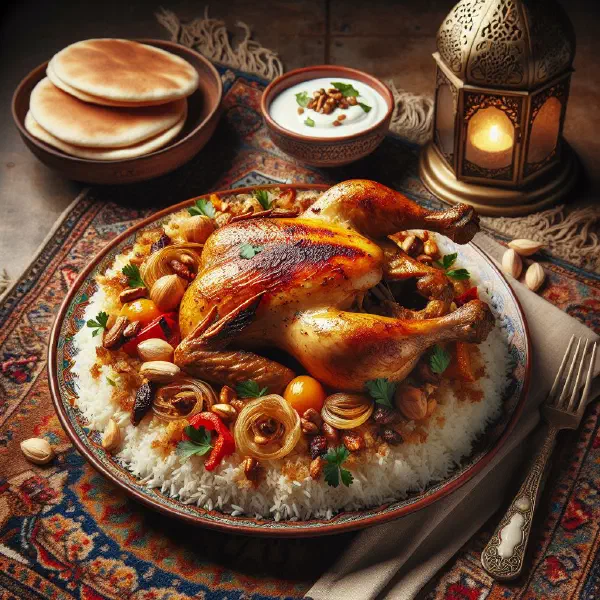
The presentation of Kabsa can greatly enhance the enjoyment. Serve the dish on a large platter and garnish it with fresh herbs as well as toasted nuts or raisins. Use colourful pieces of vegetable for decoration to make the dish visually appealing. An attractive presentation whets the appetite and lends a sense of celebration.
A bit of history
Kabsa has a long history that is deeply rooted in Arab culture. It is thought to have originated in Saudi Arabia before spreading across various regions of the Middle East. Every country and every family has its own variations and recipes, which makes Kabsa such a versatile dish. This cultural significance and the many methods of preparation make it a valuable addition to any festive spread, and a proud part of Jordanian cuisine.
More recipe ideas
Summary: Kabsa
Kabsa is more than just a dish; it is a celebration of the aromas and textures that embody the very best of Jordanian cooking. With its combination of carefully chosen ingredients and fragrant spices, it is perfect for special occasions or a cosy family get-together. Its simple preparation and the freedom to adapt it to different tastes make it an ideal choice for any cook. Let the magic of Kabsa win you over and enjoy a piece of Jordan in your own kitchen.