National Dish Jordan: Khobz Baladi (Recipe)
In this article
Say hello to Khobz Baladi, the humble everyday flatbread that anchors the Jordanian table. Crisp on the outside and pillow-soft within, it turns up at breakfast, lunch and dinner alike, ready to scoop up dips, cradle grilled meats or simply be torn and shared. Best of all, it asks for just a handful of pantry staples and very little effort, so you can bring the warm aromas of the Levant to your own kitchen in no time at all.
About Khobz Baladi
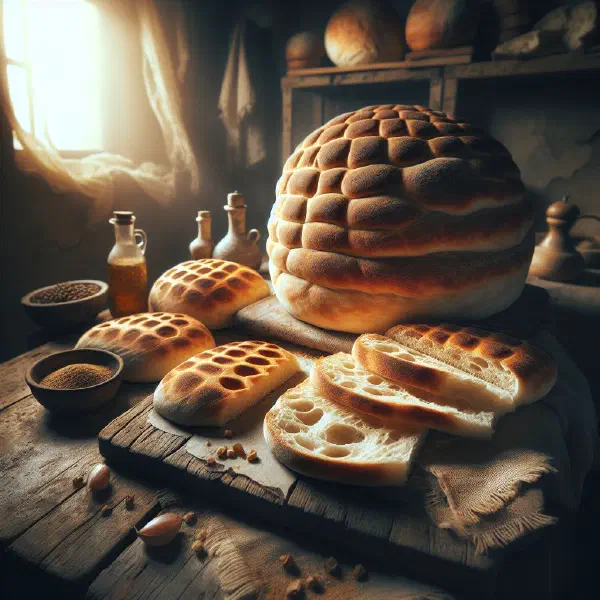
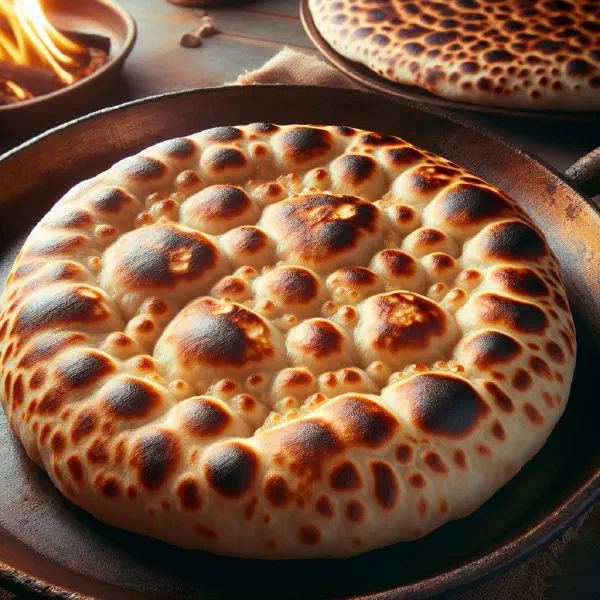
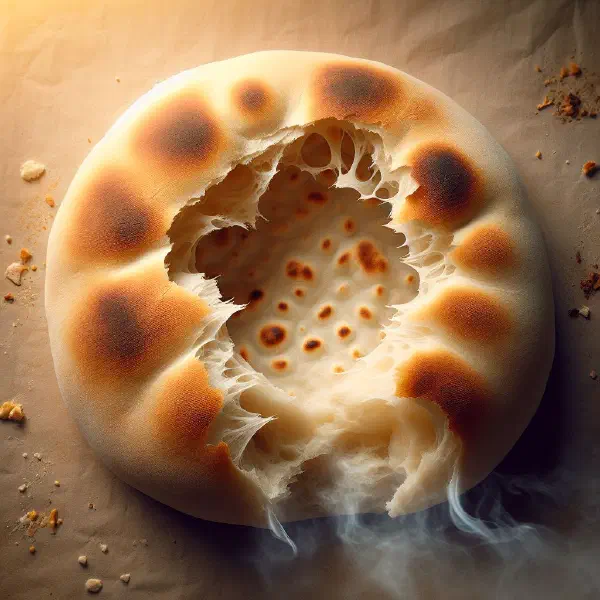
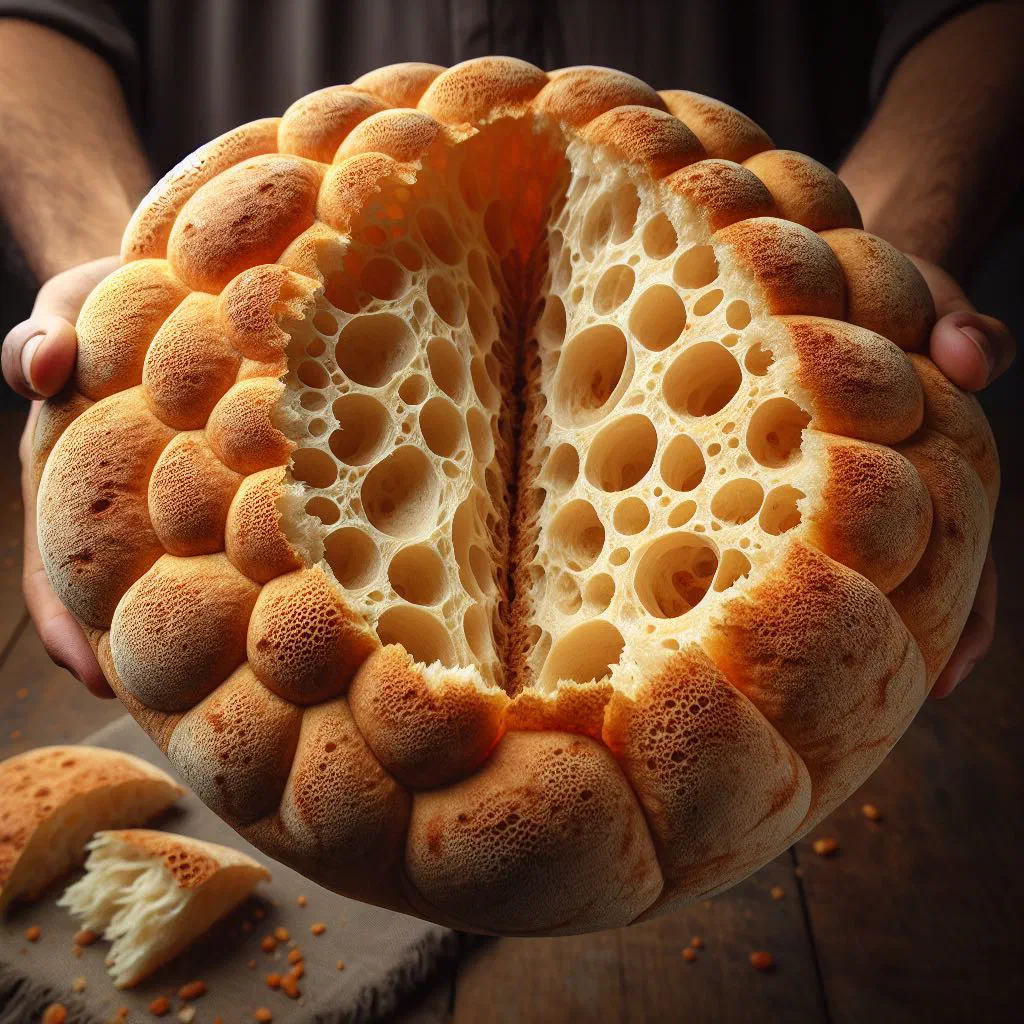
Khobz Baladi is a classic Jordanian flatbread that wins people over with its crackling crust and tender, airy crumb. This traditional bread holds a special place in Jordanian culture and is served alongside all manner of dishes. Whether at breakfast, lunch or supper, khobz baladi suits nearly every meal and lends the food a distinctive character. The preparation is straightforward and takes very little time, so you can quickly enjoy this everyday speciality of the Jordanian kitchen.
Ingredients (serves 1–2)
- 250 g wheat flour
- 150 ml water
- 1 tsp salt
- 1 tsp dried yeast
- 1 tsp olive oil
Shopping for the ingredients
When shopping for your khobz baladi, it pays to look for good-quality ingredients. Fresh flour and a fine olive oil give the bread its special flavour. Dried yeast is stocked by most supermarkets, but make sure it has been well stored so it keeps its lifting power. Many of the ingredients can also be found in Turkish or Arabic grocery shops, where you might even discover some interesting varieties of wheat flour to try.
Preparing the dish
To make khobz baladi, you will need just a few minutes of preparation. First, measure out all your ingredients precisely and have them ready to hand. This keeps everything running smoothly once you begin. It also helps to create a warm spot in the kitchen so the dough can rise to its full potential, giving you that lovely fluffy texture.
Step-by-step instructions
- In a bowl, combine the flour with the salt.
- In a separate bowl, mix the yeast with the water and the olive oil, then leave to rest for a few minutes.
- Add the yeast mixture to the flour and knead everything together well until a smooth dough forms.
- Cover the dough and leave it to prove in a warm place for about 1 hour, until doubled in size.
- Knead the risen dough again on a floured surface and shape it into round flatbreads.
- Place the flatbreads on a baking tray and bake in a preheated oven at 220°C for roughly 10–15 minutes, until golden brown.
Gluten-free / lactose-free version
For a gluten-free version of khobz baladi, you can swap the wheat flour for a blend of gluten-free flours such as rice flour or almond flour. The important thing is to keep the same proportions so you still reach the perfect consistency. As for lactose, the recipe is already lactose-free, since it contains no dairy products at all. That way, people with intolerances can enjoy this delicious bread too.
Tips for vegans and vegetarians
The recipe for khobz baladi is naturally vegan and vegetarian, as it uses nothing but plant-based ingredients. You can happily work the bread into vegan meals, whether as a side to a fresh salad or as a scoop for hummus. To make the loaf even more flavoursome, try kneading fresh herbs or spices into the dough, a simple way to bring extra aroma to your table.
More tips and tricks
A few tips and tricks for getting your khobz baladi just right: keep an eye on the temperature of the water. Water that is too hot can kill the yeast, while water that is too cold will slow the rise. It also helps to preheat the oven while the dough proves, so the baking stage runs seamlessly. And for a particularly crispy crust, place a small dish of water in the oven while the bread bakes.
Adapting the recipe to your taste
The recipe for khobz baladi is easy to adjust to your own preferences. Experiment with different flours, such as wholemeal or spelt, to achieve varied textures and flavours. If you enjoy playing with spices, add a little cumin or sesame. These small variations can lift the bread to a whole new level and give you and your guests a memorable tasting experience.
Ingredient substitutions
If you find yourself missing an ingredient or two, there are plenty of alternatives to fall back on. In place of olive oil you can use sunflower or rapeseed oil. If you have no dried yeast to hand, fresh yeast works too, though it needs to be activated first. For a richer flavour, you might also stir a little yoghurt into the dough (lactose-free, if needed) to improve the texture, much as a spoonful of yoghurt enriches Mujadara.
Drink pairing ideas
Several drinks pair beautifully with khobz baladi and bring out the flavour of the bread. A refreshing mint tea is the traditional companion and complements the loaf wonderfully. Alternatively, a lightly chilled pomegranate juice works perfectly with savoury dishes. If you prefer something with alcohol, a fruity white wine or a light beer will underline the flavours nicely.
Serving and presentation ideas
The presentation of your khobz baladi can make all the difference to the meal. Serve the bread warm on a large plate for maximum appeal. Garnish it with fresh herbs or a drizzle of olive oil and balsamic to dress it up. Pair the loaf with an inviting dip such as hummus or a piquant olive tapenade, or serve it beside a bright Fattoush for a spread that looks as good as it tastes.
A bit of history
Khobz Baladi has a history rooted deep in Jordanian and Arabic culture. It is thought that this bread has been baked in the region for centuries. The tradition of bread-making is not merely a culinary process but a cultural experience, one often shared within the family. In many households, baking and enjoying khobz baladi together is an important occasion for nurturing community and tradition.
More recipe ideas
Summary: Khobz Baladi
In short, Khobz Baladi is not merely a simple flatbread but an essential part of Jordanian cuisine. With its crisp crust and soft interior, it is the perfect accompaniment to countless dishes. Using the tips and recipes above, you can shape and adapt the bread entirely to your own taste. Let yourself be inspired to bring the aromas of the Levant into your kitchen, and enjoy both the making and the eating of this wonderful bread.