National Dish Jordan: Magloubeh (Recipe)
In this article
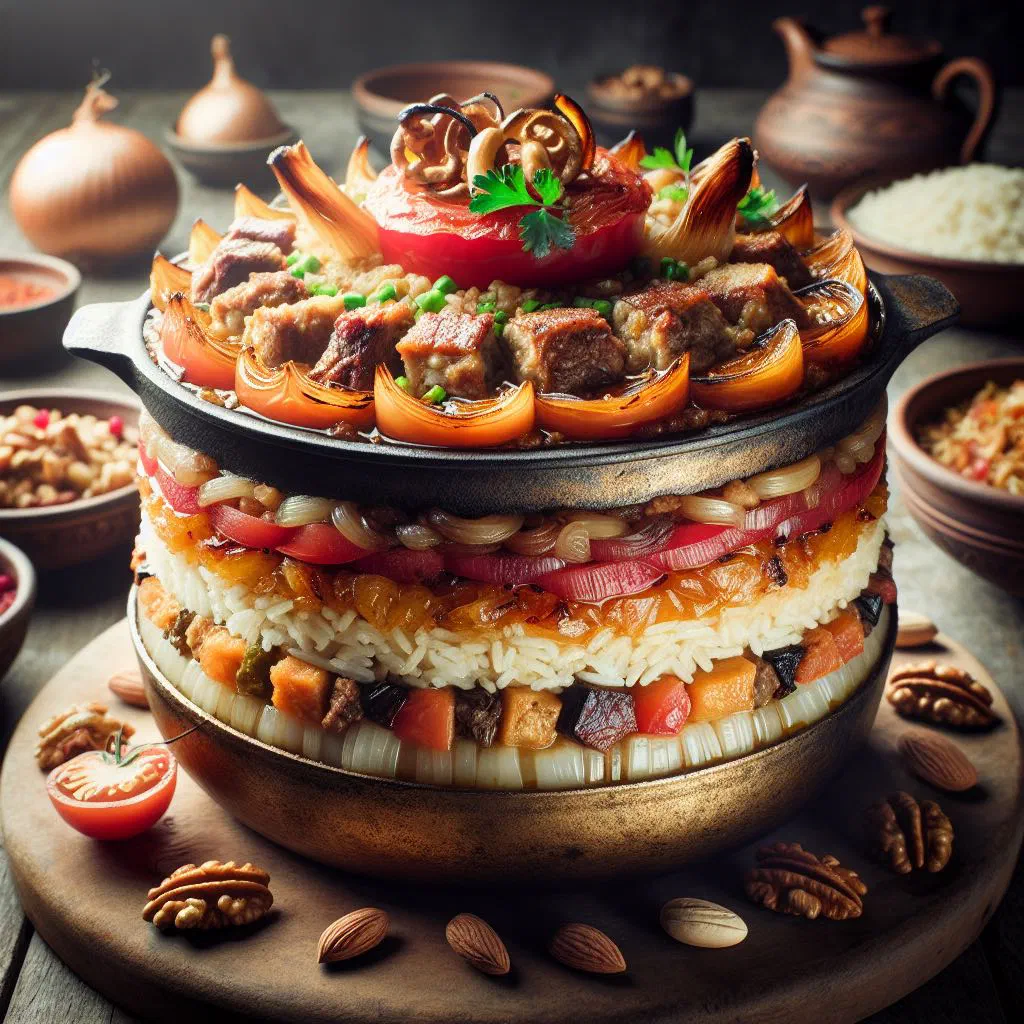
Say hello to Magloubeh, the showstopping rice dish whose name means “upside-down”, and for good reason. Meat, vegetables and fragrant rice are layered in a single pot, cooked together, then flipped dramatically onto a platter at the table. Warmed through with turmeric and cinnamon, it is as much a feast for the eyes as for the palate, which is exactly why this Jordanian classic takes pride of place at family gatherings and special occasions alike.
About Magloubeh
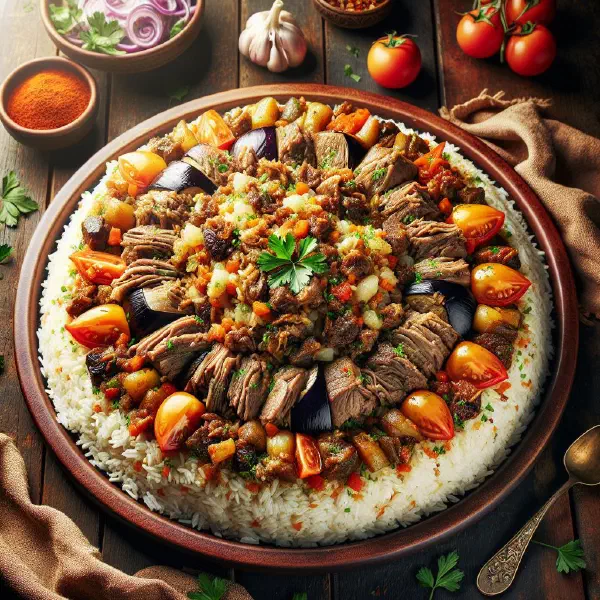
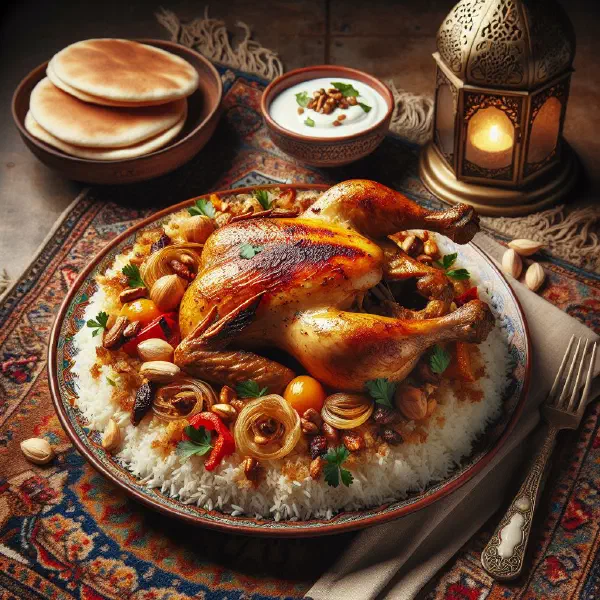
Magloubeh is a traditional dish from Jordan that is also cherished across the wider Arab world. At its heart it is a hearty rice dish, usually built around meat, vegetables and a generous blend of spices. Its signature comes from the way it is made: the ingredients are layered in a single pot and then turned upside down for serving, giving an impressive presentation. This is a dish that pleases both the palate and the eye, which makes it a perfect choice for special occasions.
Ingredients (serves 1–2)
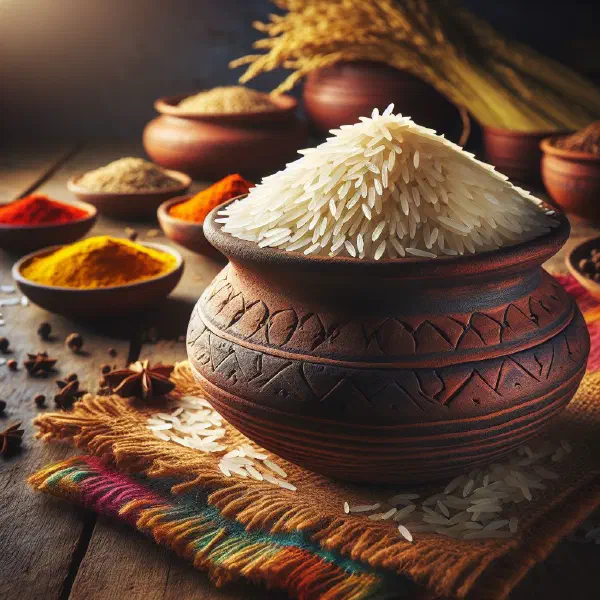
- 200 g basmati rice
- 300 g lamb or chicken
- 1 large onion, diced
- 2 tomatoes, sliced
- 1 aubergine, cut into cubes
- 1 tsp turmeric
- 1 tsp cinnamon
- Salt and pepper to taste
- 2 tbsp olive oil
- 500 ml water
Shopping for the ingredients
To do Magloubeh justice, it is worth using fresh, good-quality ingredients. Visit a local market or a Middle Eastern grocery to track down the best produce. Pay particular attention to the spices, as the right seasoning is decisive for the flavour. A few ingredients may be tricky to find in a standard supermarket, so it is a good idea to plan your shopping in advance.
Preparing the dish
When preparing Magloubeh, it is important to clean and ready all of the ingredients properly. Wash the vegetables and cut them into the sizes you want. The meat, too, should be rinsed and divided into bite-sized pieces. This groundwork ensures the cooking runs smoothly and lets you combine the aromas to perfection.
Step-by-step instructions
- Heat the olive oil in a large pot and sauté the onion until translucent.
- Add the meat and brown it all over until lightly coloured.
- Stir in the spices — turmeric, cinnamon, salt and pepper — and mix well.
- Add the vegetables and continue to cook everything for a few minutes.
- Add the rice and let it toast briefly before pouring in the water.
- Cover the pot and let the dish simmer over low heat for about 30 minutes, until the rice is cooked.
- Once cooked, take the pot off the heat and let it rest for a few minutes before carefully turning it upside down.
Gluten-free / lactose-free version
Magloubeh is naturally gluten-free and lactose-free, as it is built mainly around rice, vegetables and meat. Do make sure, though, that the spices and oils you use are also free from gluten. This matters especially for anyone with coeliac disease or a lactose intolerance. That way everyone can enjoy this delicious dish without having to compromise on flavour.
Tips for vegans and vegetarians
To adapt Magloubeh for vegans or vegetarians, you can simply replace the meat with a variety of vegetables. Aubergine, courgette and peppers are ideal here. Another option is to use chickpeas or lentils as a protein-rich alternative. These tweaks keep the dish just as tasty and nourishing. If you love that kind of pulse-based comfort, a bowl of Mujadara makes a wonderful companion.
More tips and tricks
There are a few tricks that will help you get the very best out of Magloubeh. Make sure the rice is well rinsed to remove excess starch; this gives a better texture. It also helps to keep the lid on during cooking so the steaming of the rice is not disturbed. Experiment with different vegetables and cuts of meat to hit your own personal taste.
Adapting the recipe to your taste
Magloubeh is easy to adjust to your personal preferences. Add extra spices that you love, or reach for your favourite vegetables. You can also vary the amount of rice or liquid to change the consistency to your liking. This flexibility makes it a versatile option for any occasion, much like the endlessly customisable Kabsa Jordanienne.
Ingredient substitutions
If you do not have every ingredient for Magloubeh to hand, there are a few substitutions worth considering. Instead of lamb or chicken, you could use beef or fish, for example. The rice can be swapped for quinoa or couscous depending on what you prefer. The spices, too, can vary according to availability, though it is important to keep the balance of aromas in mind.
Drink pairing ideas
A range of drinks pairs beautifully with Magloubeh. Traditionally, a freshly brewed mint tea is often served alongside, offering a refreshing accompaniment. Alternatively, you might enjoy a light yoghurt drink or an aromatic red wine. The right choice of drink can round off the meal and underline the flavours of the dish. A cup of spiced Karak Tea is another lovely way to finish.
Serving and presentation ideas
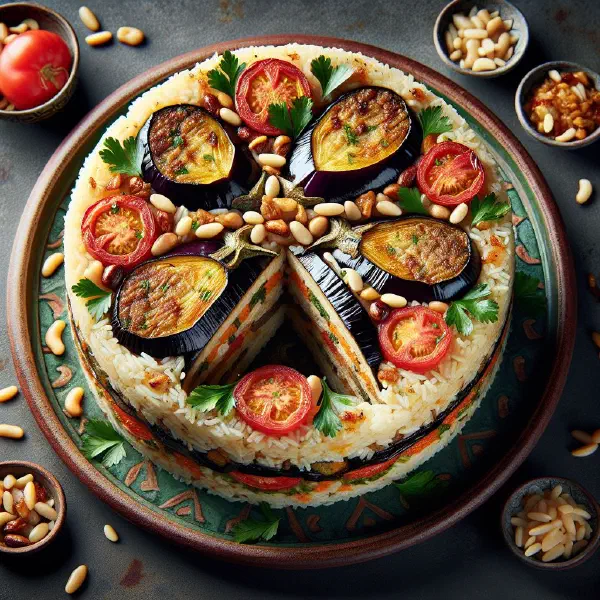
Presentation is key to the whole Magloubeh experience. Serve the dish on a large, flat platter to show off the layers of ingredients. To heighten the visual appeal, add fresh herbs such as parsley or coriander. Remember to turn the dish out at the table, as this adds to both the look and the sense of anticipation. Cool mezze such as Tabbouleh or a smoky Baba Ganoush round out the spread perfectly.
A bit of history
Magloubeh has a long history that reaches back to the era of Ottoman rule. It is regarded as a reliable, nourishing meal for the family and as a dish of cultural significance, often prepared for feasts and special occasions. Each region adds its own traditional ingredients to the recipe, reflecting the diversity and popularity of the dish. This historical depth makes Magloubeh a true ambassador of Jordanian and Arab flavour, and a proud part of Jordanian cuisine.
More recipe ideas
Summary: Magloubeh
In short, Magloubeh is an experience that touches people’s hearts. With its history and impressive method of preparation, it is an outstanding choice for special occasions or relaxed family meals. Combine the fresh ingredients with a little creativity and you will conjure up a delicious dish that appeals to family and friends alike. Let this hallmark of Jordanian cuisine inspire you to give it a try.