National Dish Jordan: Mahshi Waraq (Recipe)
In this article
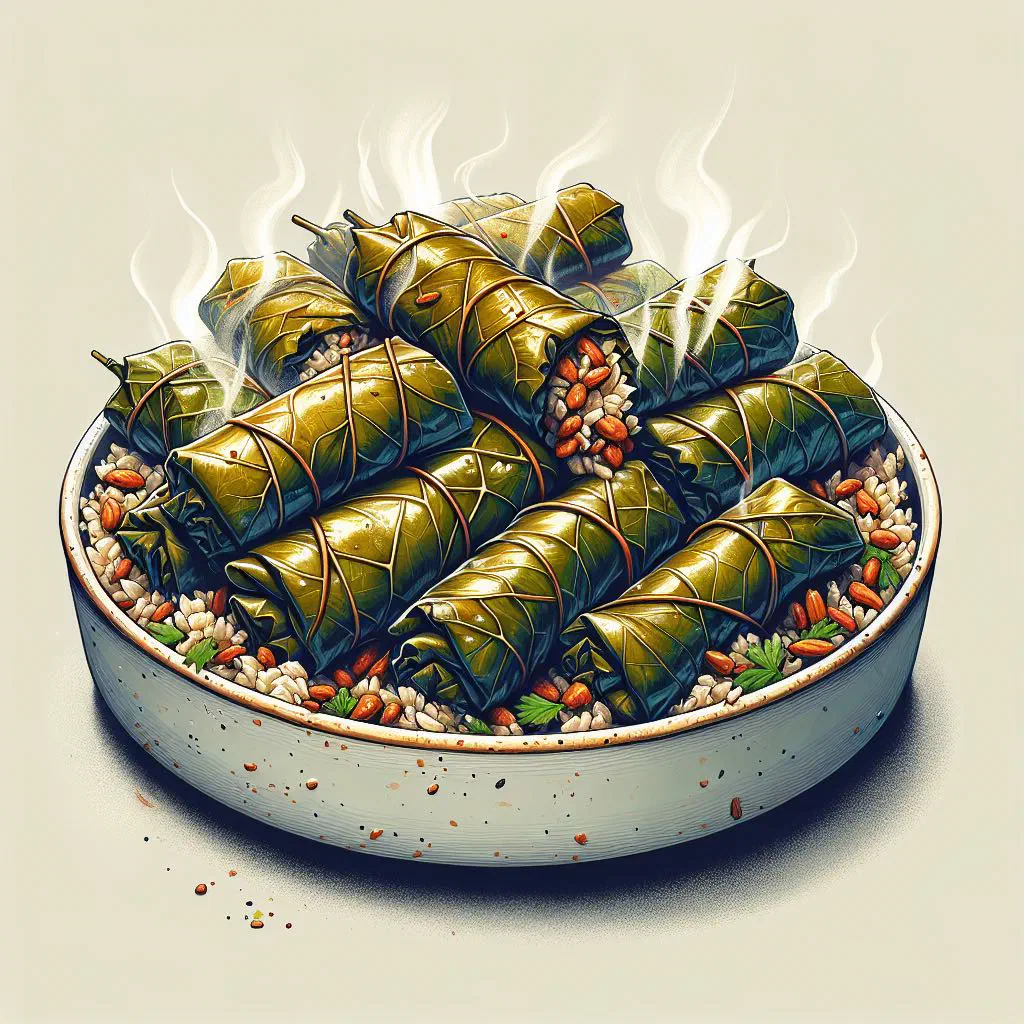
Discover Mahshi Waraq, one of Jordan’s best-loved dishes. Tender grape leaves are wrapped around a fragrant filling of rice, meat and warm spices, then gently simmered until every bite is soft and full of flavour. More than just a meal, it is a celebration on a plate, the kind of dish that brings families together around the table at festivals and gatherings. With a little care and patience, you can bring this Middle Eastern classic to your own kitchen.
About Mahshi Waraq
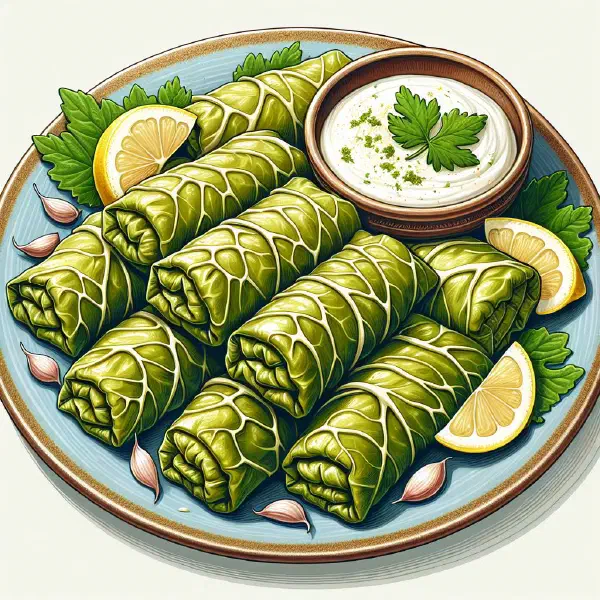
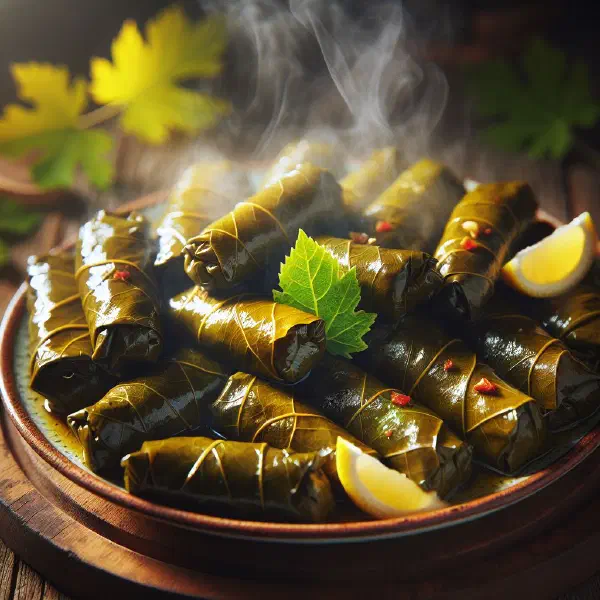
Mahshi Waraq is a much-loved dish from Jordan, a flavoursome combination of tender grape leaves wrapped around an aromatic filling. That filling is typically a mixture of rice, minced meat and spices that gives the dish its distinctive character. Enjoying Mahshi Waraq is a culinary experience and something of a cultural event, as it is often served at celebrations and family gatherings. The preparation calls for care and passion, and sharing the dish with loved ones brings a real sense of joy and togetherness.
Ingredients (serves 1–2)
- 200 g grape leaves (fresh or preserved)
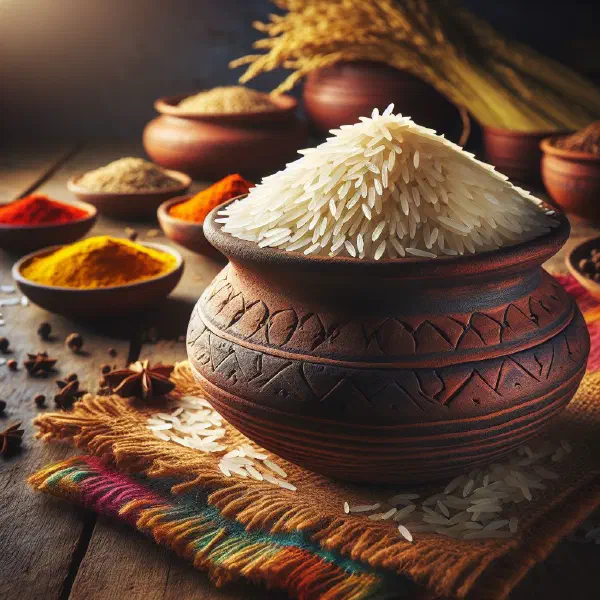
- 100 g rice (basmati is ideal)
- 150 g minced meat (beef or lamb)
- 1 onion, finely chopped
- 2 tablespoons tomato purée
- 1 teaspoon cinnamon
- 1 teaspoon paprika
- Salt and pepper to taste
- 500 ml vegetable or meat stock
- 1 lemon, sliced
Shopping for the ingredients
When shopping for Mahshi Waraq it is important to choose fresh, good-quality produce. Seasonal markets or Middle Eastern grocers are the perfect place to find grape leaves, especially if you are after fresh rather than jarred ones. Pay attention to the quality of the minced meat too, as it has a big influence on the flavour of the finished dish. Buying whole, unprocessed spices helps you achieve the freshness and depth of aroma that make Mahshi Waraq such a treat.
Preparing the dish
Preparing Mahshi Waraq takes a few steps to make sure every ingredient is at its best. First, blanch the grape leaves briefly in hot water to keep them tender and make them easier to roll. At the same time, soak the rice in cold water for a few minutes to shorten its cooking time. It is also worth softening the onion thoroughly for the filling, so it releases its sweetness and adds real depth to the dish.
Step-by-step instructions
- Drain the grape leaves well and lay them out flat on a clean surface.
- In a pan, sauté the onion until translucent, then add the minced meat and tomato purée and fry for a few minutes.
- Add the soaked rice, cinnamon, paprika, salt and pepper to the mixture and stir well to combine.
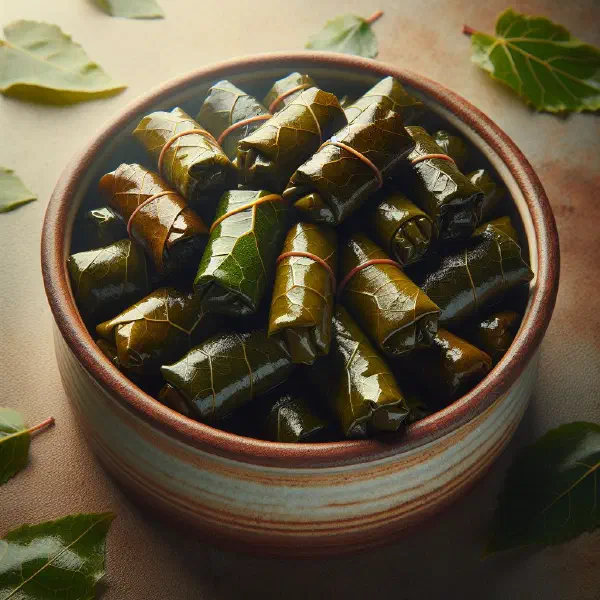
- Place a tablespoon of filling in the centre of each grape leaf, fold in the sides, then roll it up snugly.
- Layer the little rolls in a large pot and cover them with stock and lemon slices.
- Cover the pot and simmer over low heat for about 1 hour, until the rice is cooked through.
Gluten-free / lactose-free version
Making Mahshi Waraq gluten-free or lactose-free calls for only simple tweaks. The rice used here is naturally gluten-free, so there is nothing to worry about on that front. To keep it lactose-free, make sure the minced meat is good quality and free of any dairy additives. Alternatively, swap the stock for a homemade vegetable stock made without dairy, so you avoid any allergic reactions while still achieving a delicious result.
Tips for vegans and vegetarians
Mahshi Waraq is easily adapted for vegans and vegetarians to make a tasty dish with no animal products. Use a mixture of plant-based mince or lentils instead of meat to keep that protein-rich texture. Combine the rice with chopped vegetables such as peppers, carrots and courgettes for extra flavour and nutrients. The spices stay the same to preserve the authentic taste, while keeping the dish entirely animal-friendly.
More tips and tricks
To get the most out of Mahshi Waraq, a few handy tips go a long way. First, it is worth tasting the filling before you wrap the leaves, to make sure the spices are well balanced. It can also help to prepare the grape leaves in larger batches and freeze them, so you always have some to hand. Remember not to roll the parcels too tightly, so the rice has enough room to swell as it cooks.
Adapting the recipe to your taste
Mahshi Waraq is a versatile dish that is easy to adapt to your own tastes and preferences. Experiment with different fillings. Try adding chickpeas or toasted pine nuts, for example, to change up the flavour. You can also vary the spices you use to discover new combinations.
Ingredient substitutions
If you cannot find grape leaves, it is possible to adapt the recipe using leaves from other vegetables, such as cabbage or chard, much like the stuffed courgettes in Kousa Mahshi. The rice can be swapped for quinoa or couscous to give different textures and nutrients. Instead of minced meat you might also use plant-based alternatives or a mix of various pulses for a rich, flavourful filling. Substitutions like these open up a much wider range of culinary possibilities.
Drink pairing ideas
Refreshing drinks pair beautifully with Mahshi Waraq and round off the whole experience. Try a classic jasmine or mint tea, whose aromas suit Middle Eastern cooking perfectly. Alternatively, a full-bodied red wine or a refreshing non-alcoholic drink made with citrus and mint complements the flavours of the dish ideally. Experiment with different pairings to find the combination you enjoy most, perhaps with a glass of Karak Tea to finish.
Serving and presentation ideas
Presentation can make a real difference to a memorable meal of Mahshi Waraq. Serve the dish on a large, flat platter and garnish with fresh herbs such as parsley or dill for a splash of colour. Lemon wedges or glossy slices make a lovely decorative touch, while a drizzle of olive oil over the top helps intensify the flavour. Small details like these are what turn a simple dish into a festive treat, much like a spread of Hummus and Tabbouleh.
A bit of history
Mahshi Waraq is closely tied to traditional Jordanian cooking and has been prepared for generations. The art of stuffing grape leaves has its origins in the Middle East and has evolved over the centuries. Every country has its own variations and recipes, yet the basic idea often stays the same: a loving, painstaking preparation designed to bring family and friends together. The dish is part of the region’s cultural identity, treasured for its wonderful flavour and for the stories and traditions it carries, a shining example of Jordanian cuisine.
More recipe ideas
Summary: Mahshi Waraq
In short, Mahshi Waraq is an essential part of Jordanian food culture, pleasing with its layered flavours and its sociable, sharing spirit. Preparing it is a wonderful chance to connect with the centuries-old traditions of the Middle East and to celebrate the simple joy of good food. Whether for festive occasions or a relaxed family get-together, Mahshi Waraq is a dish that deserves a place in every kitchen. Let it inspire you, and savour the colourful variety of Middle Eastern cooking.