National Dish Jordan: Marouk Bread (Recipe)
In this article
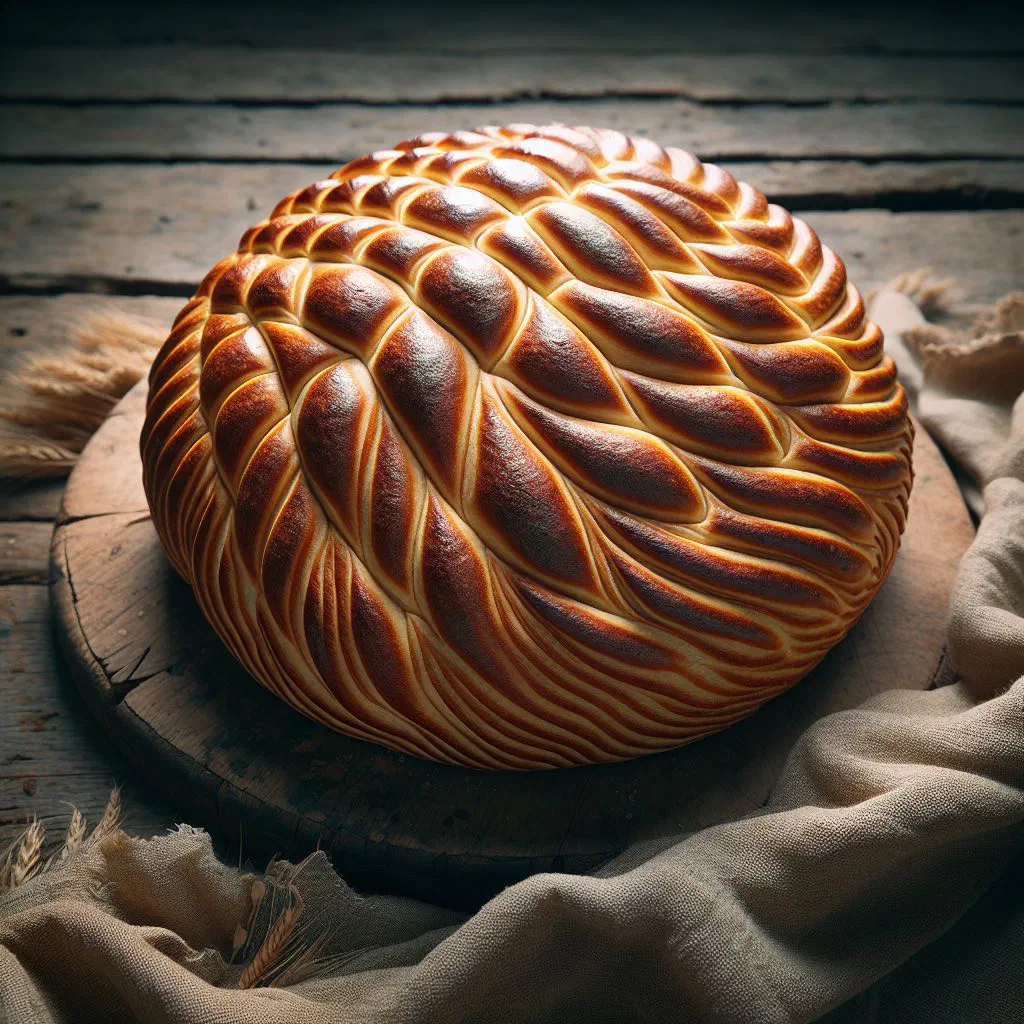
Say hello to Marouk Bread, a traditional flatbread with light, airy layers and a satisfyingly crisp crust. Though its roots lie in North Africa, this bread has become a firm favourite in Jordanian kitchens, where it is served alongside hearty stews or torn into pieces for scooping up dips. Simple to make with just a handful of pantry staples, it brings a gentle touch of the Orient to any table and turns an everyday meal into something a little more special.
About Marouk Bread
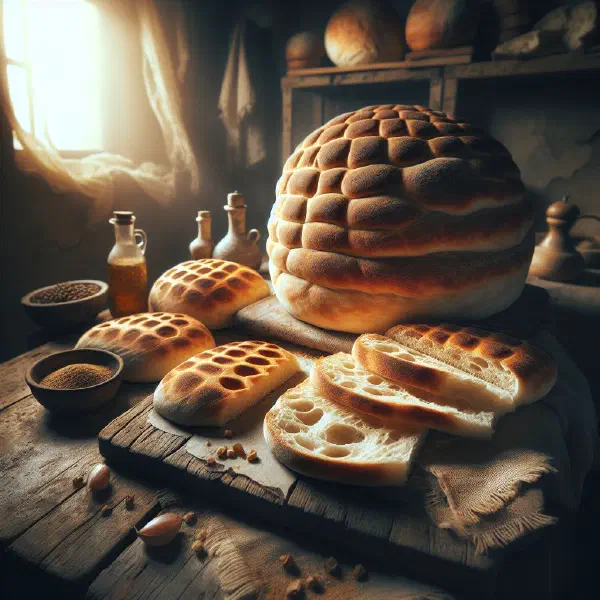
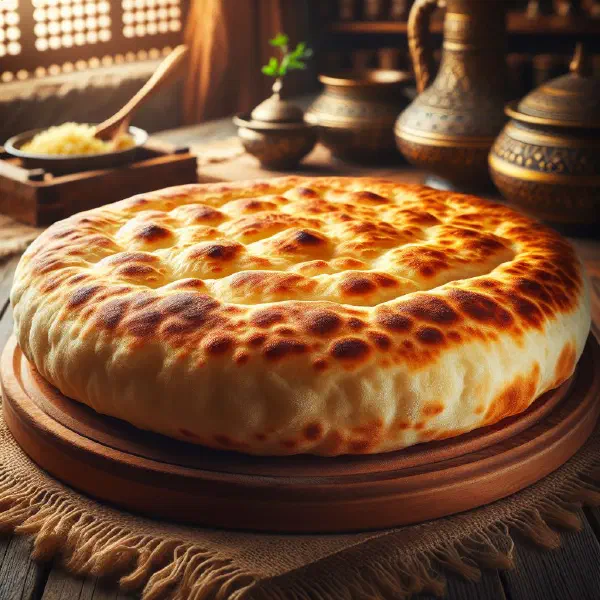
Marouk Bread is a traditional flatbread celebrated for its airy crumb and crisp finish. While it is popular across North Africa, it has also earned a lasting place in Jordanian cooking. The bread is often served with hearty stews or offered as a snack with an array of dips. Its distinctive taste makes it the perfect companion to countless dishes, lending every meal a warm, aromatic character that feels both comforting and festive.
Ingredients (serves 1–2)
- 250g wheat flour
- 150ml water
- 1 tsp salt
- 1 tsp sugar
- ½ tsp dried yeast
- 1 tbsp olive oil
Shopping for the ingredients
For the best results, reach for fresh, good-quality ingredients. Most of them are easy to find in a well-stocked supermarket or a Middle Eastern grocery. Pay particular attention to the wheat flour, as its quality has a real impact on the texture of the finished bread. It is also worth using fresh yeast to ensure the dough rises properly and develops that signature lightness.
Preparing the dish
Before you start making Marouk Bread, gather all your ingredients so the process runs smoothly. Measure out the flour, the water and everything else in advance to keep things organised. Getting the ratio of ingredients right is key to achieving the perfect consistency. Make sure the olive oil is close to hand too, as it adds extra flavour and helps give the bread its lovely finish.
Step-by-step instructions
- In a bowl, combine the wheat flour, the salt, the sugar and the yeast.
- Add the water and the olive oil and mix thoroughly until you have a smooth, uniform dough.
- Turn the dough out onto a floured surface and knead for about 5–7 minutes, until it is soft and supple.
- Cover the bowl and leave the dough to rise in a warm spot for around 1 hour, until doubled in size.
- Divide the risen dough into 2–3 portions and roll each one out into a flat round.
- Cook the flatbreads in a preheated dry pan (no oil) for about 2–3 minutes on each side, until golden brown.
- Serve the Marouk Bread warm and enjoy.
Gluten-free / lactose-free version
For a gluten-free version of Marouk Bread, swap the wheat flour for a gluten-free flour such as almond flour or a ready-made gluten-free blend. Be sure to choose a yeast that is certified gluten-free too. The recipe is already suitable for a lactose-free diet, as it contains no dairy at all. These small adjustments make it easy to enjoy this delicious bread whatever your dietary needs. A similar flexible approach works well for Khobz Baladi.
Tips for vegans and vegetarians
Marouk Bread is naturally vegan and vegetarian, since it contains no animal products whatsoever. To add a little extra character, you can work herbs such as thyme or rosemary into the dough for an aromatic lift. Stick to fresh, natural ingredients to achieve the best possible flavour. The bread pairs beautifully with a variety of plant-based dips, which slot neatly into a vegan diet.
More tips and tricks
To get the most out of your Marouk Bread, make sure the dough has plenty of time to rise. A warmer environment encourages proving, which leads to a fluffier end result. If the dough feels too sticky, simply work in a little more flour to make it easier to handle. Experiment with the cooking temperature to reach the perfect golden colour, as every hob and pan behaves slightly differently.
Adapting the recipe to your taste
The Marouk Bread recipe is wonderfully easy to adapt to personal preference. Fancy something with more of a kick? Add a little chilli or garlic powder to the dough. For a sweeter flavour, work in a touch of honey or sugar. You might also vary the thickness of the flatbread to suit you, thinner for a crisp result, thicker for a softer bite.
Ingredient substitutions
If you do not have certain ingredients to hand, there are plenty of alternatives. Wheat flour can be replaced with spelt flour, for example, to bring a nuttier note. If olive oil is not your thing, coconut oil or sunflower oil work well too, each giving the bread a slightly different taste while remaining just as delicious. Be creative and try out different flours or oils to craft your very own version of Marouk Bread, the same spirit of experimentation that suits a rustic Taboon Bread.
Drink pairing ideas
A number of lovely drinks complement Marouk Bread. A mint tea is a classic accompaniment that underlines the bread’s Middle Eastern character. Yoghurt-based drinks such as ayran or lassi also harmonise wonderfully with the flatbread. For something refreshing, offer a fruity pear or pomegranate juice, which rounds off the flavours and completes the meal. A cup of Karak Tea makes another warming choice.
Serving and presentation ideas
Presentation plays an important part in how Marouk Bread is enjoyed. Serve it on a rustic wooden board to create an inviting, homely look. Add a few small bowls of dips and spreads to highlight the different flavours on offer. Fresh herbs or edible flowers make a pretty garnish that rounds off the overall picture and turns the spread into a feast for the senses. It sits happily alongside Hummus or a smoky Baba Ganoush.
A bit of history
Marouk Bread has its origins in North African culture and is traditionally baked in home kitchens across the region. Recipes are often passed down from generation to generation, and the bread is a symbol of community and togetherness. It has established itself firmly within Jordanian cuisine too, especially in rural areas where it is frequently baked fresh over a wood-fired oven. Making Marouk Bread remains an important part of the cultural identity and traditions deeply rooted in these regions.
More recipe ideas
Summary: Marouk Bread
Marouk Bread is far more than just a flatbread; it is a culinary tradition that tells stories and keeps age-old customs alive. With its crisp texture and versatile uses, it enriches any meal and brings the flavour of the Orient to the table. Marouk Bread is the perfect choice. Let it inspire you and dive into the world of this delicious bread.