National Dish Jordan: Qatayef (Recipe)

In this article
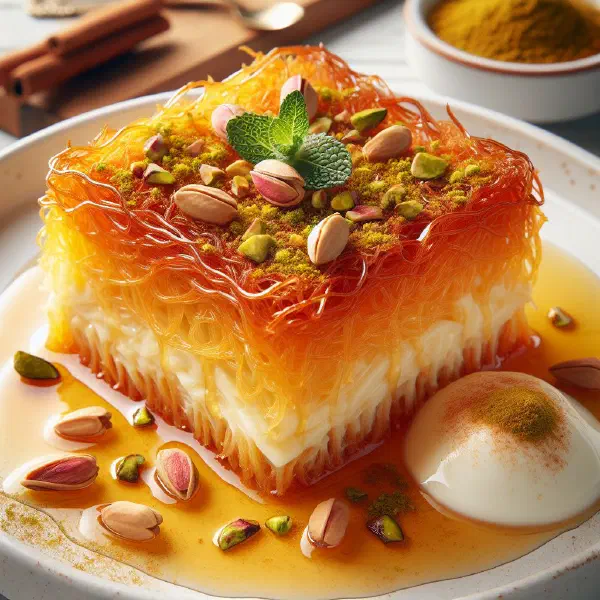
Discover Qatayef, one of Jordan’s most cherished sweet treats. These little stuffed pancakes are a fixture of the Ramadan table, folded around a filling of nuts or cheese and finished with a glossy drizzle of sugar syrup. With their tender, spongy batter and fragrant fillings, they can be enjoyed warm or cold and never fail to bring a festive touch. Bring the authentic flavour of Jordan straight into your own kitchen with this recipe.
About Qatayef
Qatayef are traditional stuffed pancakes with their roots in Arabic cuisine, and they are especially popular in Jordan. These small delicacies are often prepared during Ramadan and are a firm part of the festive spread. They are known for their sweet filling, which can vary according to taste. The combination of a delicate batter and aromatic fillings makes qatayef a genuine treat that works equally well served warm or cold.
Ingredients (serves 1–2)
- 1 cup flour
- 1 cup water
- 1 tablespoon sugar
- 1 teaspoon baking powder
- Filling (e.g. walnuts, almonds or cheese)
- Sugar syrup, to serve
Shopping for the ingredients
The ingredients for qatayef are easy to find in most grocery shops or Middle Eastern markets. Take care to choose good-quality flour and fresh nuts to get the best flavour. Sugar syrup can either be made at home or bought ready-made. If you would like to use a special filling such as cheese, ask about the traditional varieties available near you.
Preparing the dish
Start by preparing the batter, mixing the flour, water, sugar and baking powder together well. Let the batter rest for about 30 minutes so the ingredients can bind properly. In the meantime you can prepare your chosen filling by roughly chopping the nuts or crumbling the cheese. These preparations make sure the whole dish comes together in one smooth, harmonious flow.
Step-by-step instructions
- Heat a non-stick pan over medium heat.
- Pour a small amount of the batter into the pan and cook until bubbles form on the surface.
- Do not flip the pancake; remove it after about 2 minutes.
- Fill the warm centre of the pancake with the prepared filling and fold it over.
- Serve qatayef with a drizzle of sugar syrup.
Gluten-free / lactose-free version
To make qatayef gluten-free, use rice flour or a gluten-free flour blend in place of regular flour. This keeps the batter soft and delicious all the same. For a lactose-free version, choose plant-based cheese alternatives or opt for a nut filling. Make sure all the other ingredients are lactose-free too, so you can enjoy the dish without a second thought.
Tips for vegans and vegetarians
Vegans can swap the classic cheese filling for a mixture of blended nuts and plant-based milk to achieve a creamy consistency. You can also use sweeteners that are not animal-derived. Take care to select all the ingredients carefully to avoid animal products. It is easy to turn qatayef into a vegan version that is just as delicious as the original.
More tips and tricks
To make sure your qatayef turn out perfectly, it is important to prepare the pan properly and not to overfill it. A good tip is to spray the pan lightly with oil to prevent sticking. If you would like to vary the filling, try different nut combinations or even chocolate for a sweeter version. Another helpful idea is to experiment with the sugar syrup, adding aromas such as rose water or orange blossom water.
Adapting the recipe to your taste
Qatayef are a very versatile dish and can easily be adapted to personal preference. If you like things especially sweet, add more sugar to your filling or use a thicker syrup. For a savoury version you can work vegetables or herbs into the filling, such as spinach or feta. Experiment with different combinations to find the perfect qatayef for your taste.
Ingredient substitutions
There are plenty of alternatives you can use for the qatayef ingredients. Instead of wheat flour, chickpea flour works well for a protein-rich variation. For the filling, alongside nuts you can also try dried fruit such as dates or figs. If you would like to use honey in place of sugar syrup, keep in mind that this may slightly change the recipe to maintain the right consistency. Nutty fillings like these also feature in classics such as Maamoul.
Drink pairing ideas
To enjoy qatayef to the full, serve them with a well-matched drink. A classic Arabic tea or an Egyptian hibiscus tea pairs beautifully with the sweet pancakes. Light fruit juices or a refreshing mint drink are ideal too. A cup of Karak Tea is another lovely match that underscores the flavour of the qatayef for a rounded culinary experience.
Serving and presentation ideas
The presentation of your qatayef can heighten the enjoyment considerably. Serve the pancakes on a beautiful large plate and decorate them with chopped nuts and a splash of sugar syrup. You can also use fresh mint leaves as a garnish to add colour and freshness. If you offer a variety of fillings, make sure they are clearly identifiable to enrich the experience for your guests.
A bit of history
Qatayef has a long tradition and is deeply rooted in the Arab world. They first became well known during the Ramadan celebrations, where they were served as a sweet festive treat. The art of preparing qatayef has evolved over the years, and each region has developed its own variations and fillings. These delicious pancakes are a feast for the palate and a part of Arabic culture and history, a shining example of Jordanian cuisine.
More recipe ideas
Summary: Qatayef
Qatayef are a varied and delicious dessert that enjoys great popularity especially during Ramadan. With simple ingredients and a range of fillings, you can easily make this traditional dish yourself. Whether sweet or savoury, the possibilities for variation are almost endless. Experience the rich culture and the unique flavour of Jordan in your own kitchen by preparing qatayef.