National Dish Jordan: Rummaniyya (Recipe)
In this article
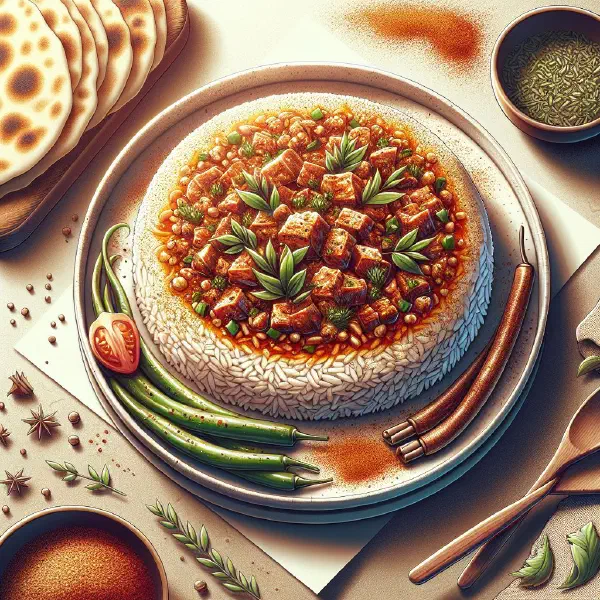
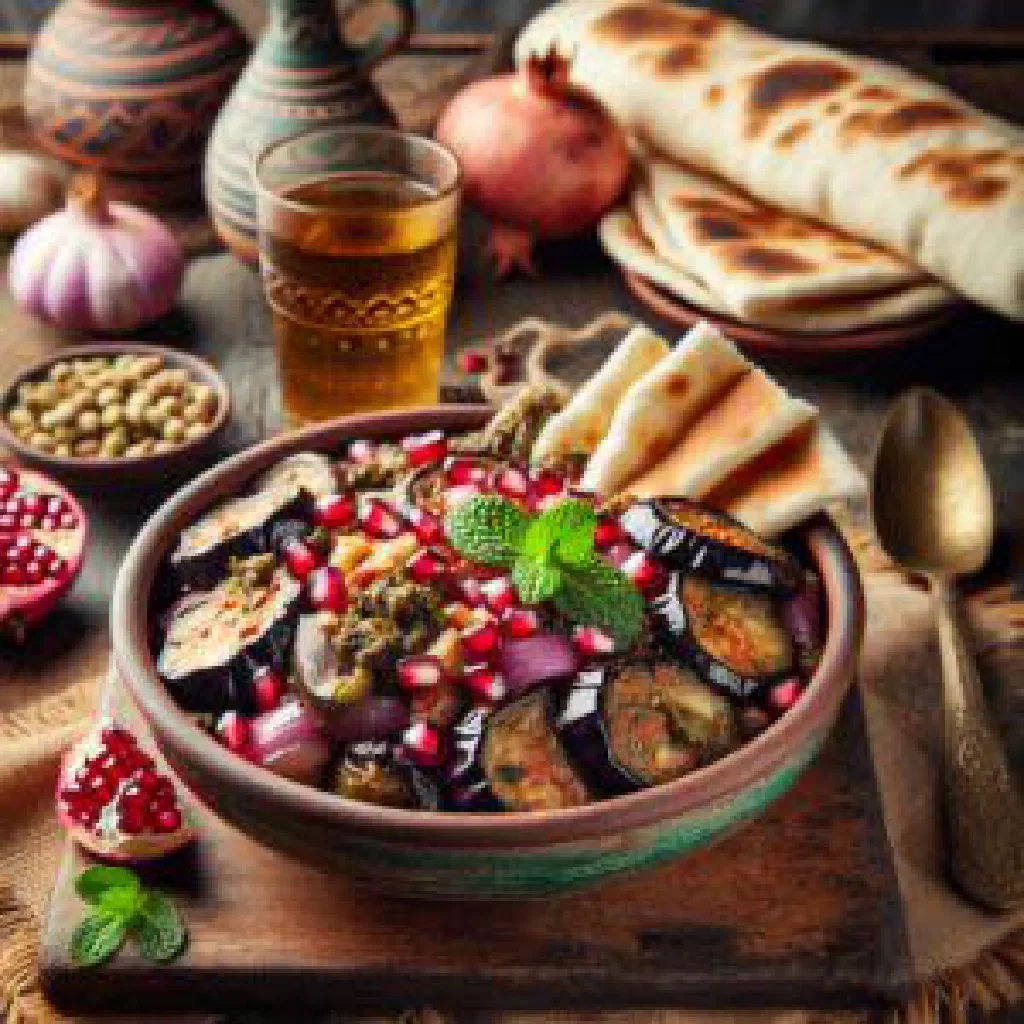
Meet Rummaniyya, a warming Jordanian classic that captures the country’s generous spirit and love of hospitality. Tender lamb is coaxed to softness in a fragrant sauce of tomatoes, garlic and warm spices, then brightened with a scattering of fresh herbs. Whether it graces a family celebration or a cosy neighbourhood restaurant, this dish is prepared with real care and affection. Let its rich aromas and inviting flavours transport you straight to a Jordanian table.
About Rummaniyya
Rummaniyya is a traditional Jordanian dish that beautifully embodies the country’s cultural richness and famous hospitality. The pairing of tender lamb with savoury sauces and fresh herbs makes for a truly memorable eating experience. It is always cooked with great attention and warmth. Its blend of spice, comfort and generosity has earned it a treasured place in the wider world of Jordanian cuisine.
Ingredients (serves 1–2)
- 300 g lamb (shoulder or leg, for example)
- 1 onion, finely chopped
- 2 cloves of garlic, crushed
- 2 tomatoes, diced
- 1 tsp cumin
- 1 tsp paprika
- 1 tsp cinnamon
- Fresh herbs (parsley and coriander, for example)
- Salt and pepper, to taste
- Olive oil, for frying
Shopping for the ingredients
The first step towards a great Rummaniyya is buying the freshest ingredients you can find. Take care to choose good-quality lamb, as it forms the very foundation of the dish. Visit a local market or a trusted butcher to seek out the best cuts. The herbs and spices should be fresh too, so their full aroma and flavour can shine through in the finished pot.
Preparing the dish
Cut the lamb into even pieces and dice the vegetables so everything cooks at the same pace. The onion and garlic should be finely chopped to ensure they soften evenly into the sauce. Chop the fresh herbs just before you need them, so they release their full fragrance into the dish.
Step-by-step instructions
- Heat the olive oil in a large pot and fry the onions until they turn translucent.
- Add the crushed garlic and cook briefly until fragrant.
- Add the lamb to the pot and brown it well on all sides.
- Scatter over the spices and stir everything together thoroughly.
- Add the diced tomatoes and let it all simmer gently over low heat until the meat is tender.
- Finally, stir through the fresh herbs and season to taste with salt and pepper.
Gluten-free / lactose-free version
Rummaniyya is naturally gluten-free, as long as you make sure none of your ingredients contain gluten-based additives. The dish also uses no dairy, which makes it a naturally lactose-free option too. That makes it ideal for anyone with a food intolerance, as well as those who simply prefer to eat mindfully. Reach for fresh, unprocessed produce to get the most out of both the flavour and the goodness.
Tips for vegans and vegetarians
For a vegan or vegetarian version of Rummaniyya, you can replace the lamb with lentils or chickpeas. These pulses provide an excellent source of protein and pair beautifully with the dish’s warm spices. Do keep an eye on the cooking time, since pulses generally need less time in the pot than meat. With a generous helping of fresh vegetables and herbs, this version is every bit as delicious and aromatic, much like a hearty Mujadara.
More tips and tricks
One key tip for a standout Rummaniyya is to use fresh spices. Grind or crush them just before cooking to intensify their aromas. A pinch of sugar can also help to balance the acidity of the tomatoes and round out the overall flavour. Play with the proportions of the spices until you find the balance that suits you best.
Adapting the recipe to your taste
Everyone has their own palate, and the kitchen is the perfect place to celebrate that. Adjust the Rummaniyya recipe to your personal taste by using more or less of certain spices. You might also like to add extra vegetables such as courgette or aubergine for more texture and flavour.
Ingredient substitutions
If some ingredients for Rummaniyya are hard to find, there are always alternatives to reach for. Instead of lamb, you could use beef, chicken or even fish for a different flavour profile. When it comes to the spices, there is room to improvise too: mustard seeds or fennel seeds can stand in for cumin. Be inventive with your choices and adjust the dish to your own taste and preferences, in the same spirit as a comforting Maqluba.
Drink pairing ideas
A range of aromatic drinks pairs wonderfully with the flavours of Rummaniyya. A refreshing mint tea or a glass of ayran, the classic yoghurt drink, both make ideal companions. If you would rather keep it alcohol-free, try a fruity drink such as pomegranate juice or lime lemonade to complement the dish. Fresh, home-made drinks are best of all for rounding off the whole experience.
Serving and presentation ideas
The presentation of Rummaniyya can be lifted considerably with simple but stylish touches. Use large, handsome bowls to plate up the dish, and garnish it with fresh herbs and slices of lemon. A light drizzle of olive oil over the serving platter adds an appealing sheen. A thoughtful presentation not only impresses your guests but elevates the whole dining experience, a fine partner to a bright Fattoush on the side.
A bit of history
The roots of Rummaniyya reach deep into traditional Jordanian cooking. Many dishes from this region draw their inspiration from centuries-old recipes passed down from one generation to the next. The dish reflects the influences of the many cultures that have met and mingled in Jordan throughout its history. To enjoy Rummaniyya, then, is not only a feast for the palate but a journey into the country’s rich and varied past.
More recipe ideas
Summary: Rummaniyya
In short, Rummaniyya is an essential dish of Jordanian cuisine, captivating with its unique flavours and its warm, heartfelt preparation. Its wealth of aromas is sure to win you over. Give this traditional dish a try and experience the culture and heritage of Jordan first-hand. It is far more than a simple meal. It is a genuine culinary experience well worth discovering.