National Dish Jordan: Sambousek (Recipe)
In this article
Meet Sambousek, the crisp little pastry parcels that turn up at every Jordanian celebration and family table alike. Folded around a savoury filling of spiced meat, hearty pulses or melting cheese, then fried until golden, they strike the perfect balance between a shattering, crunchy shell and a warm, aromatic centre. Making them is as much a social ritual as a recipe, and the reward is a moreish bite that disappears from the platter almost as fast as it arrives.
About Sambousek
Sambousek are delicious, crisp pastry parcels that hold a central place in Jordanian cooking. This delicate appetiser is loved for its versatile fillings, which range from spiced minced meat and savoury pulses to soft, melting cheese. Thanks to their wonderful flavour and satisfying crunch, sambousek are just as welcome at festive gatherings as they are in everyday life. Preparing them brings the family together and creates a truly memorable culinary experience.
Ingredients (serves 1–2)
- 200 g plain flour
- 100 ml water
- 1 tsp salt
- 1 tbsp oil
- 250 g minced meat (or a vegetarian alternative)
- 1 onion, finely chopped
- 1 tsp spices (cumin, paprika, etc.)
- Oil for deep-frying
Shopping for the ingredients
When shopping for sambousek, it is important to look for freshness, especially with the meat and vegetables. Many of the spices you need can be found in a Middle Eastern grocer, where authentic aromatics are also on offer. If you prefer a vegetarian filling, pulses and similar products work beautifully and are easy to find in a well-stocked supermarket. Wherever you can, choose local produce to boost the authenticity of your dish.
Preparing the dish
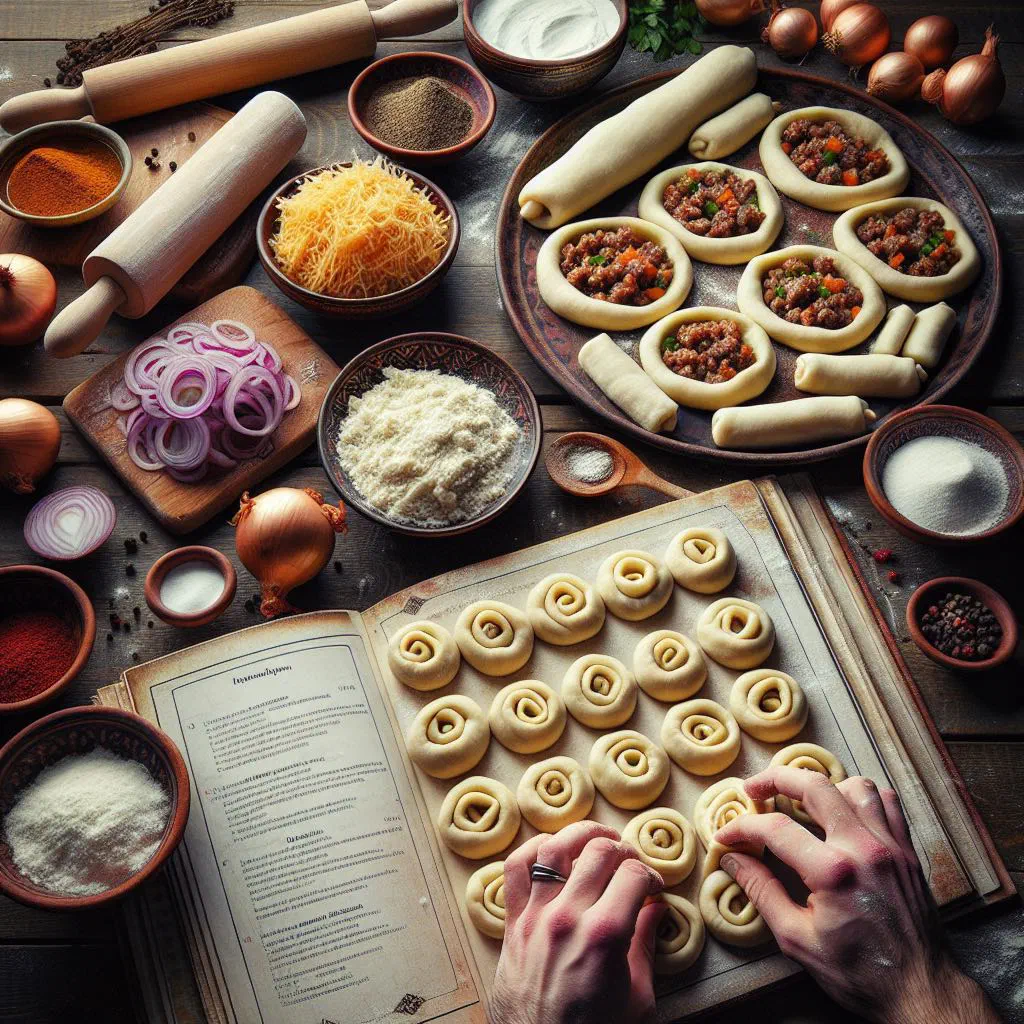
Preparing sambousek can be a genuinely enjoyable process. Begin by making the dough from flour, water, salt and oil. Knead it well until smooth, then let it rest for about 30 minutes. While it rests, prepare the filling by frying the onion and combining the minced meat with the spices. This gives your filling the deeply aromatic flavour for which sambousek are known.
Step-by-step instructions
- Make the dough: combine flour, water, salt and oil in a bowl and knead.
- Rest the dough: cover and leave to stand for 30 minutes.
- Prepare the filling: fry the onion and add the minced meat with the spices.
- Roll out the dough: roll thinly on a floured surface and cut out circles.
- Fill: place a spoonful of filling in the centre of each dough circle.
- Seal the parcels: press the edges together firmly to seal.
- Deep-fry: fry in hot oil until golden brown, then drain.
Gluten-free / lactose-free version
For a gluten-free version you can use rice flour or another gluten-free flour blend. This may affect the texture of the dough, so a little experimentation is worthwhile. Lactose-free options for the filling, such as plant-based cheeses or lactose-free mince, are also readily available. Be sure to use your spices and herbs fresh to guarantee the fullest flavour.
Tips for vegans and vegetarians
Vegans can make wonderful sambousek by building the filling from a mix of chickpeas or other pulses, vegetables and vegan cheese. Popular choices include chickpeas, black beans or roasted vegetables lifted with spices, much like the pulse-packed goodness of Mujadara. A handful of fresh parsley or coriander adds an extra flourish, and the crisp parcels are every bit as satisfying as the traditional versions.
More tips and tricks
An important tip for crisp sambousek is to let the oil come up to temperature properly before frying. Another trick is to moisten the edges of the parcels with a little water before pressing them together, which helps them seal cleanly. Do experiment with the spices too: depending on your taste you can adjust and refine them, giving the dish your own personal signature.
Adapting the recipe to your taste
The recipe for sambousek is highly adaptable, since the fillings are almost endlessly variable. If you love bolder heat, add a little chilli or pepper. You can also fold different cheeses into the filling for a creamier consistency.
Ingredient substitutions
If you do not have the usual ingredients to hand, there are plenty of substitutions. Instead of beef mince you can use lamb or chicken, much as you would in a hearty Sfeeha. For a vegetarian option, mashed beans, cooked potatoes or aubergine are excellent choices. The spices can vary to suit your taste as well; turmeric, cinnamon or fresh additions like garlic can bring exciting twists to the filling.
Drink pairing ideas
Refreshing drinks pair particularly well with sambousek. Try a cool sparkling water or a more traditional drink such as ayran, a savoury yoghurt refresher. Mint tea or a sweet fruit juice also make ideal partners for the meal. Depending on your preference and the festivity of the occasion, a good glass of wine can round the dish off nicely too.
Serving and presentation ideas
An attractive presentation can really lift the whole meal. Serve the parcels on a large, colourful platter and garnish with fresh herbs such as parsley or mint. Round out the spread with a selection of dips, yoghurt or a spicy sauce, that echo the aromas of the sambousek. Remember to consider colour when plating; contrasting shades make the food far more inviting.
A bit of history
The history of sambousek reaches back several centuries, with origins in the Arab world. The parcels are thought to have been inspired by the Mediterranean, where similar variations appear across many countries. Traditionally sambousek were served at festivities and special occasions to offer guests a particular delicacy. Today they are widespread and hugely popular both across the region and far beyond, a fine example of Jordanian cuisine.
More recipe ideas
Summary: Sambousek
Sambousek offer a delicious taste experience that is at once festive and perfect for everyday life. Their straightforward preparation, combined with the freedom to vary the fillings however you like, makes this dish remarkably adaptable. Let them inspire you, and discover the variety and tradition of Jordanian cooking through this wonderful dish.