National Dish Jordan: Taboon Bread (Recipe)
In this article
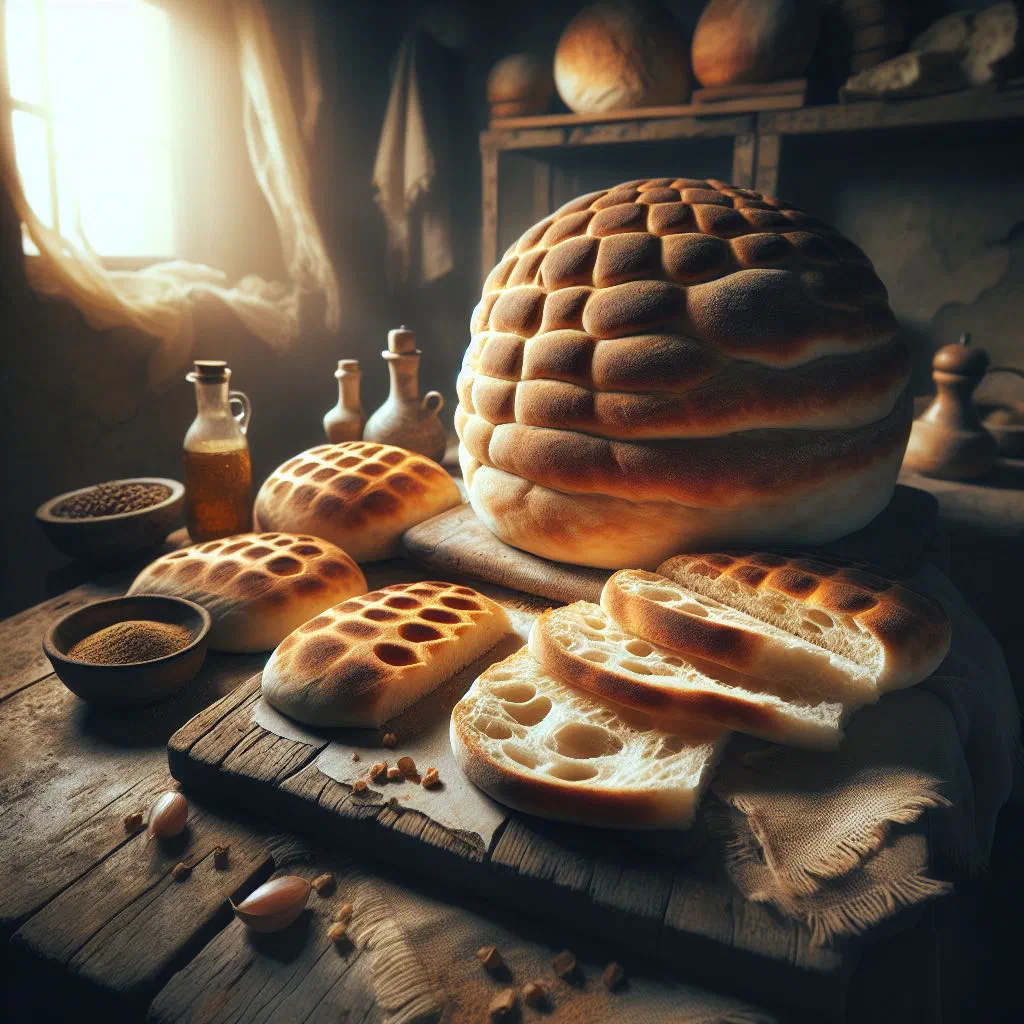
Meet Taboon Bread, the humble yet essential flatbread at the heart of Jordanian cooking. Baked in a traditional wood-fired oven that lends it a beautifully rustic character, this soft, pliable bread is as at home cradling a spoonful of dip as it is soaking up the juices of a hearty stew. Simple to make and endlessly versatile, it is the kind of bread that turns any spread into a feast. Bring a taste of the Levant to your own kitchen with this timeless classic.
About Taboon Bread
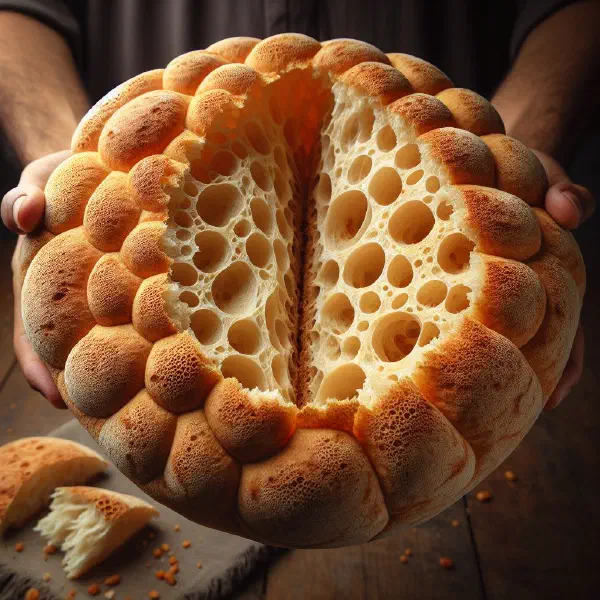
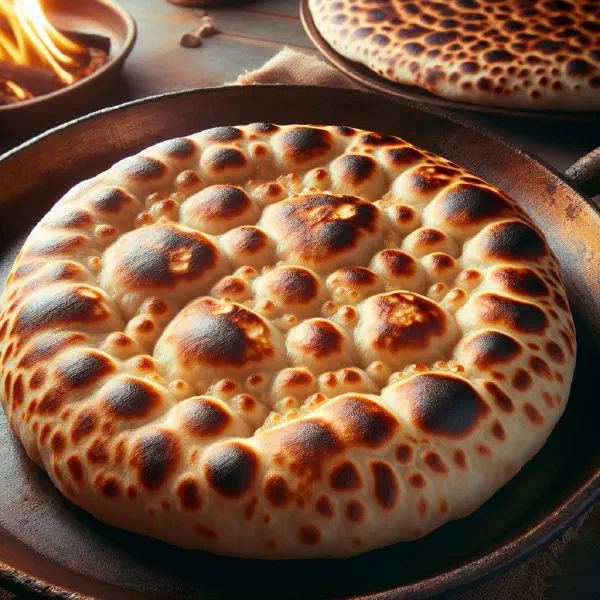
Taboon Bread is a traditional flatbread with its roots in Jordanian cuisine. It takes its name from the special wood-fired clay oven, the taboon, in which it is baked, and it is this oven that gives the bread its characteristic texture and unmistakable flavour. Beyond being wonderfully easy to make, the bread is remarkably versatile. Taboon bread wins everyone over with its aroma and remains an indispensable part of many a shared meal.
Ingredients (serves 1–2)
- 300 g wheat flour
- 200 ml lukewarm water
- 1 tsp salt
- 1 tsp sugar
- 1 sachet dried yeast
- Olive oil, for brushing
Shopping for the ingredients
The ingredients for taboon bread are easy to find in most supermarkets or at your local baker. When buying flour, pay attention to quality, as this can have a big impact on the texture of the finished bread. It is also worth considering fresh yeast in place of dried yeast for an even more aromatic result. Finally, do not forget to pick up a good olive oil for brushing the bread, as it improves the flavour considerably.
Preparing the dish
Preparing taboon bread could hardly be simpler. First, weigh out and lay out all the ingredients so the process runs smoothly. It helps to warm the water slightly so the yeast activates more quickly. While you get the ingredients ready, you can also preheat your wood-fired oven, if you happen to have access to one, to bake the bread in the traditional way.
Step-by-step instructions
- In a bowl, combine the flour with the salt and sugar.
- Add the dried yeast to the lukewarm water and leave briefly until it froths.
- Slowly work the yeast-and-water mixture into the flour until you have a smooth dough.
- Knead the dough on a floured surface until it is elastic (about 10 minutes).
- Place the dough in an oiled bowl, cover it and leave to prove in a warm spot for about 1 hour.
- Divide the risen dough into portions and shape into rounds.
- Place the pieces on a baking tray, brush with olive oil and leave to prove for a further 30 minutes.
- Bake in a preheated oven at 250°C until the bread is golden brown (about 10 minutes).
Gluten-free / lactose-free version
For a gluten-free version of taboon bread, use a gluten-free flour or flour blend. Make sure the flour you choose is suitable for gluten-free baking to get the best results. If you would like a lactose-free variation, you are already well served: simply use the olive oil the recipe calls for, since it is naturally free of lactose. These small adjustments make the traditional recipe accessible to a much wider audience.
Tips for vegans and vegetarians
Taboon bread is naturally vegan, as it contains only plant-based ingredients. To add extra flavour, try working herbs or spices into the dough, such as sesame seeds or cumin. These enhance the taste and make the bread more appealing to look at. Serve it with a range of vegan dips such as Hummus or Baba Ganoush for a complete plant-based experience.
More tips and tricks
If you would like your taboon bread to turn out even lighter and softer, a small splash of yoghurt (for non-vegan versions) can help. Another neat trick is to slap the dough a few times with a spatula before baking to activate the air bubbles within it. You can also wrap the bread in a tea towel straight after baking to keep it warm and tender. These little touches can lift the whole eating experience.
Adapting the recipe to your taste
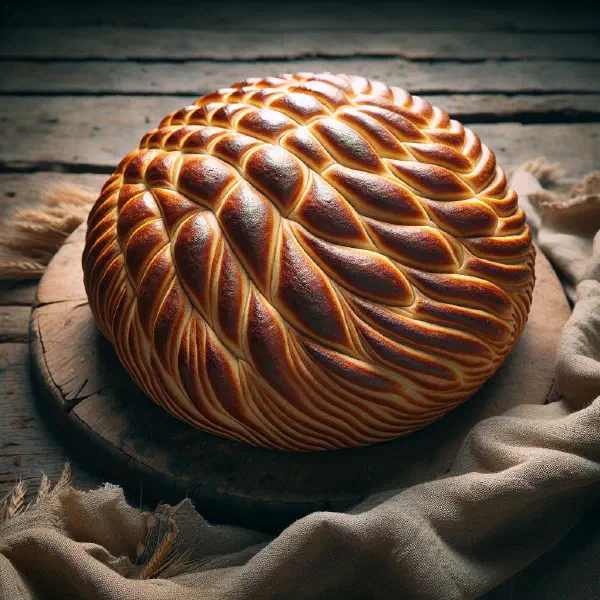
The recipe for taboon bread can be adapted in all sorts of ways to suit personal preference. You might vary the amount of salt or sugar to taste, for example. If you like things spicy, work a little chilli powder or paprika flakes into the dough. The shape of the bread can be changed at will, too. Try rectangular or more elaborately formed flatbreads for a unique result.
Ingredient substitutions
Should some ingredients for taboon bread prove hard to find, there are handy alternatives. In place of wheat flour, you can use spelt or rye flour, though you may need to adjust the amount of liquid, as these flours behave differently. For sweetening, there are also various options such as honey or agave syrup, which lend an extra dimension of flavour. Substitutions like these can modernise and enrich the classic recipe.
Drink pairing ideas
Choosing the right drink can make all the difference in rounding off your taboon bread. A refreshing mint tea is an excellent option that beautifully complements the flavours of the bread. For special occasions, a fruity red wine is a versatile choice, while sparkling mineral water makes a lovely, neutral accompaniment to a relaxed meal. Homemade lemonades or freshly pressed fruit juice, perhaps alongside a glass of Karak Tea, can also make exciting alternatives that complete the culinary experience.
Serving and presentation ideas
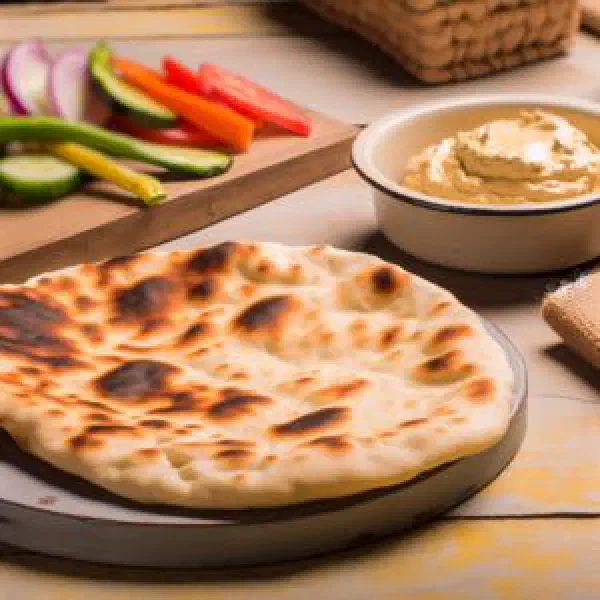
The presentation of your taboon bread can enhance the whole meal impressively. Serve the freshly baked bread on a rustic wooden board and garnish it with fresh herbs such as parsley or coriander. Small bowls of different dips or spreads placed alongside will highlight the colours and textures of the meal, a fresh Tabbouleh works wonderfully here. Remember to cut the bread into manageable pieces to make sharing and enjoying it easier.
A bit of history
Taboon bread has a long tradition in Jordanian cuisine and was originally baked in clay-stone ovens found in many households. The art of proving and baking the dough has been passed down through the generations and has become a firm part of Jordanian culture. This baking technique is not limited to Jordan’s borders but is also widespread across other countries of the Middle East. Taboon bread is therefore not merely a dish but a piece of cultural heritage, reflecting a deep connection to home and its traditions, a defining thread of Jordanian cuisine.
More recipe ideas
Summary: Taboon Bread
Taboon Bread is far more than a simple flatbread; it is a genuine highlight of Jordanian cuisine. With its unique texture and aromatic flavour, it is the perfect complement to a whole host of dishes or as part of a mezze spread. Its uncomplicated preparation means anyone can recreate this traditional recipe at home. Enjoy the pleasures of this delicious bread at your next meal. It is sure to become a firm favourite.