National Dish Jordan: Waraaq Dawali (Recipe)
In this article
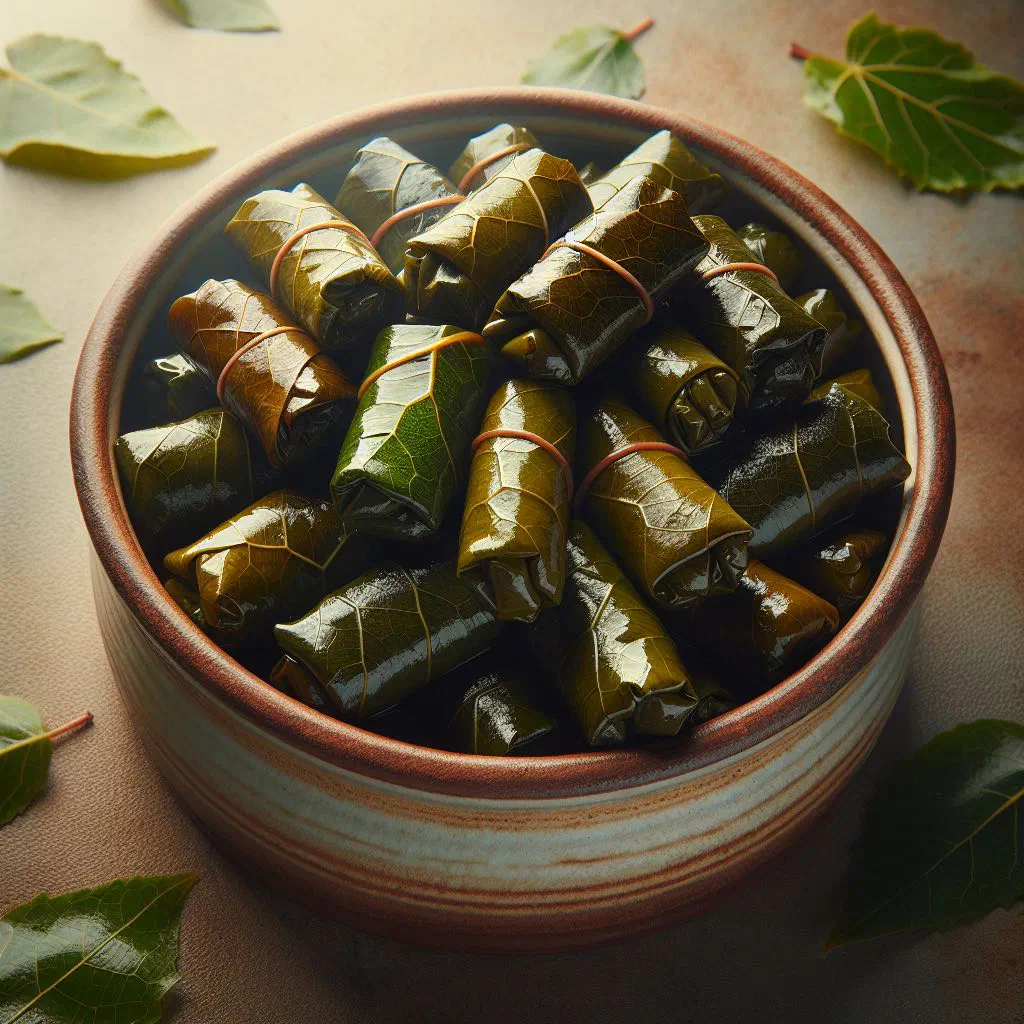
Discover Waraaq Dawali, one of Jordan’s most cherished dishes. These delicate stuffed vine leaves wrap a savoury filling of rice, herbs and spiced meat in tender parcels that carry all the warmth of the Middle East. They take a little patience to roll, but the reward is worth every minute, a dish that works beautifully as a hearty main or as part of a generous mezze spread. Bring the flavours of the Orient straight to your own table.
About Waraaq Dawali
Waraaq Dawali is a traditional Jordanian dish made from stuffed vine leaves. These flavourful parcels bring together the finest aromas of the Middle East and can be served either as a main course or as a side. The preparation calls for a little skill, but the result is more than worth the effort. For many Jordanians, waraaq dawali are not simply food but an important part of their cultural identity, appearing at family gatherings and celebrations alike.
Ingredients (serves 1–2)
- 300 g fresh vine leaves
- 150 g rice (preferably short-grain)
- 200 g minced meat (beef or lamb)
- 1 onion, finely chopped
- 2 tablespoons tomato purée
- 1 teaspoon cinnamon
- 1 teaspoon paprika
- Salt and pepper, to taste
- Fresh herbs (parsley, mint)
- 1 lemon (for the juice)
- Olive oil
Shopping for the ingredients
It is well worth using fresh, good-quality produce for this dish. The vine leaves are best fresh, though preserved leaves from a jar are a perfectly good option too. When buying rice and meat, choose quality cuts to achieve the fullest flavour. Visit your local market or a Middle Eastern grocery to track down everything you need, much as you would for a batch of Falafel.
Preparing the dish
Preparing waraaq dawali begins with cleaning and readying the vine leaves. If you are using fresh leaves, blanch them briefly in boiling water to soften them and make them easier to handle. The rice needs to be washed and part-cooked before it is combined with the meat and spices. Getting the balance of the filling right is key to the full, rounded flavour of the finished dish.
Step-by-step instructions
- Blanch the vine leaves and leave them to cool.
- In a bowl, combine the rice, minced meat, onion, tomato purée, spices and chopped herbs.
- Place a small amount of filling on each vine leaf and roll it up carefully.
- Layer the rolled leaves in a large pot, seam-side down.
- Cover with water and a little olive oil and simmer until tender (about 45 minutes).
- Drizzle with lemon juice just before serving.
Gluten-free / lactose-free version
Waraaq dawali is easily made gluten-free and lactose-free. Simply use a naturally gluten-free rice and leave any dairy out of the preparation. The dish stays every bit as delicious and aromatic, and using fresh ingredients ensures the flavour never suffers. These small adjustments make the recipe accessible to even more people around the table.
Tips for vegans and vegetarians
For a vegan version of waraaq dawali, swap the minced meat for chopped mushrooms, courgette or lentils. These fillings offer excellent texture and flavour in their own right. Take care to keep the cooking liquid vegan too, using a plant-based stock. Prepared this way, the dish remains delicious and stays a firm favourite with every guest.
More tips and tricks
To make waraaq dawali even tastier, add extra spices such as turmeric or cumin. Experiment with the filling by using different herbs or trying other kinds of meat. Getting the ratio of rice to meat right gives the parcels their perfect consistency. Above all, avoid overfilling the leaves, so they do not tear as they cook.
Adapting the recipe to your taste
Everyone has their own preferences when it comes to waraaq dawali. Some like a spicier filling, while others prefer it milder. You can also fold in spiced nuts or dried fruit such as raisins to lend the dish a subtle sweetness. A varied filling brings not only flavour but interesting textures too, a trick shared with other stuffed classics like Mahshi Waraq.
Ingredient substitutions
If you cannot find fresh vine leaves, rice paper or frozen vine leaves make a fine alternative, as does the leaf wrapping used in Warak Enab. The rice can be replaced with quinoa or bulgur, which give the dish a different texture. Experiment with various meats or plant-based alternatives to create new flavour experiences. Substitutions like these keep the recipe versatile and open to all.
Drink pairing ideas
Waraaq dawali pairs best with light Arabic teas or minty lemonade. A non-alcoholic cocktail of lemon and lime juice makes a refreshing accompaniment. If you prefer something alcoholic, a glass of rosé wine or a light beer works nicely. These drinks round off the experience perfectly and bring the aromas of the Middle East even more to the fore.
Serving and presentation ideas
A creative presentation can turn waraaq dawali into a true feast. Serve the stuffed vine leaves on a large platter, garnished with fresh herbs and lemon slices. A side of yogurt or a lightly spiced sauce should never be missing from the table. An appealing arrangement makes the meal feel like a special occasion and ensures your guests savour every bite.
A bit of history
Waraaq dawali are not only delicious but carry a rich cultural history. They are a firm fixture of Jordanian cuisine and are often served at festivals and special occasions. The dish is a symbol of hospitality and a love of traditional food culture. Many families have their own secret recipes, passed down from one generation to the next.
More recipe ideas
Summary: Waraaq Dawali
Waraaq dawali is a delicate dish that unites the flavours of the Middle East to perfection. With this simple method and a few tips for adapting it, you can easily make these delicious stuffed vine leaves yourself. Vegan or vegetarian version, waraaq dawali has something to suit every taste. Let this traditional recipe work its magic and bring the flavours of Jordan straight to your table.