National Dish Jordan: Warak Enab (Recipe)
In this article
Discover Warak Enab, one of the great treasures of the Jordanian table. These neat little parcels of vine leaves are wrapped around a fragrant filling of rice, fresh herbs and warm spices, then gently simmered until tender. Equally at home as a mezze starter or a main course, they carry all the generous, sun-drenched flavour of the Middle East. Roll a batch yourself and bring a taste of oriental hospitality straight to your own kitchen.
About Warak Enab
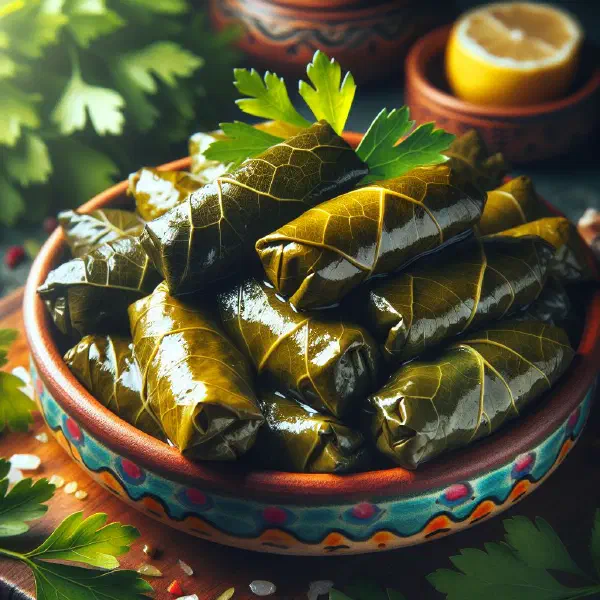
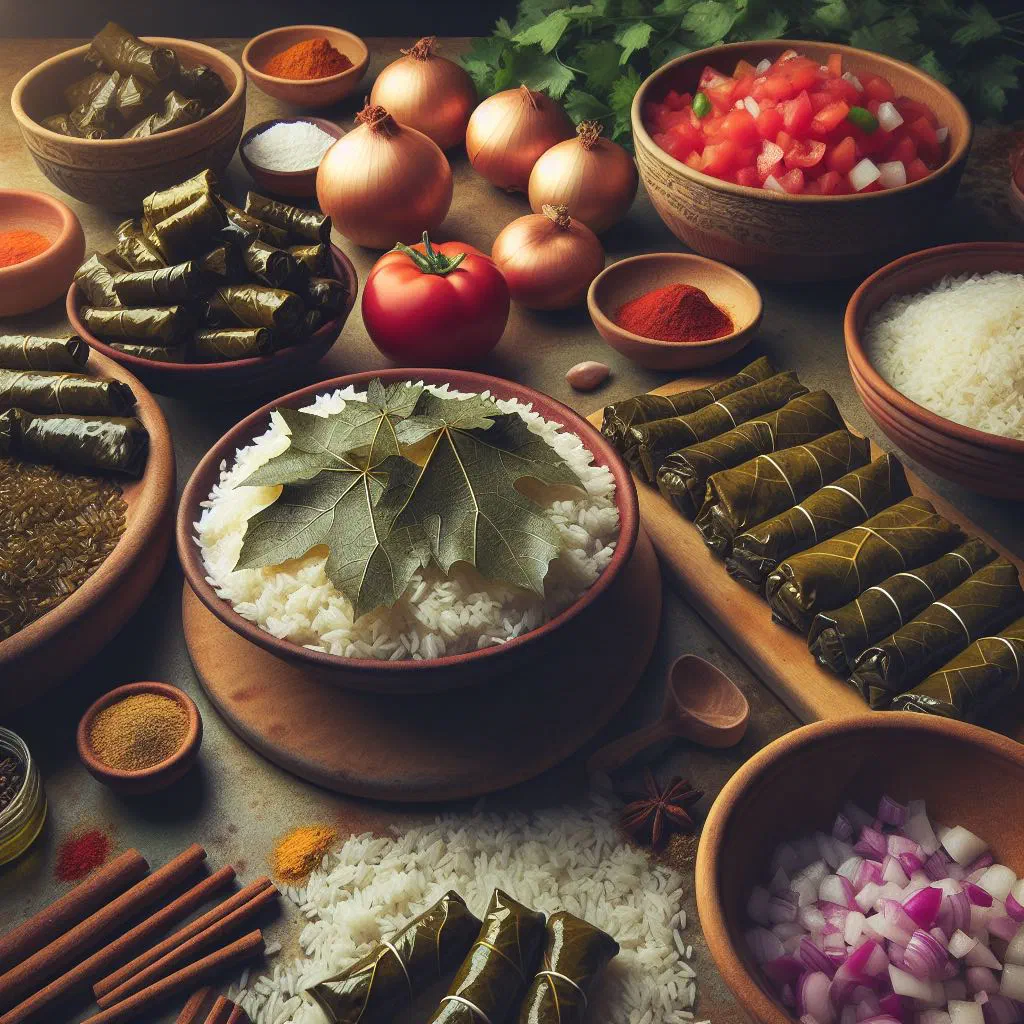
Warak Enab is a traditional dish with deep roots in the shared Lebanese-Jordanian kitchen. It consists of stuffed vine leaves, filled with a delicious mixture of rice, fresh herbs and aromatic spices. These small, handy rolls are hugely popular across many countries of the Middle East and work beautifully both as a starter and as a main course. If you are looking for a dish that delivers on flavour and also looks stunning on the plate, then Warak Enab is exactly what you need.
Ingredients (serves 1–2)
- 200 g rice (medium grain)
- 1 jar vine leaves (preserved)
- 1 onion, finely chopped
- 1 bunch fresh parsley, chopped
- 1 bunch fresh mint, chopped
- 1 tsp paprika
- 1 tsp salt
- 1 tsp pepper
- Juice of 1 lemon
- Olive oil
Shopping for the ingredients
Before you start making Warak Enab, it is worth gathering all the ingredients you will need. Visit your local supermarket or an Arabic grocery to find the best and freshest vine leaves along with a good-quality rice. Look for vine leaves sold in preserved form, as these are far easier to work with. Fresh herbs such as parsley and mint should be chosen with care too, so that you get the best possible flavour in the finished dish.
Preparing the dish
Preparing Warak Enab is a crucial step in making sure the finished result is perfect in both taste and appearance. First, rinse the rice thoroughly to wash away the excess starch. Then leave it to soak for about 20–30 minutes so that it cooks evenly later on. Meanwhile, finely chop the onion and wash and chop the herbs well to guarantee a fresh aroma. The better your preparation, the more delicious the dish will be.
Step-by-step instructions
- Cook the soaked rice in a pan with a little water until it is half done.
- In a large pan, sauté the chopped onion in olive oil until golden brown.
- Add the half-cooked rice to the onion and mix well.
- Stir in the chopped herbs, salt, pepper, paprika and lemon juice and combine thoroughly.
- Take the vine leaves out of the jar, rinse them well and spread them out on a flat surface.
- Place about a tablespoon of the rice filling on each leaf and roll up tightly.
- Layer the stuffed vine leaves in a pan and cover with water and a little olive oil.
- Cover the pan and leave to simmer over low heat for about 30 minutes.
- Once cooked, let the Warak Enab cool slightly, then serve.
Gluten-free / lactose-free version
Warak Enab is naturally gluten-free and lactose-free, as its main ingredients are rice and fresh vegetables. Do make sure, however, that any spices and oils you use are also free from gluten and lactose. The vine leaves themselves rarely contain problematic ingredients, but it is always wise to check the ingredient list on the label. That way you can be sure your dish is suitable for every guest at the table.
Tips for vegans and vegetarians
Warak Enab is easily adapted to vegan and vegetarian diets, since it contains no animal products at all. Take care not to add any meat or dairy while cooking, and use vegetable stock instead for extra depth of flavour. Reach for plant-based oils and spices that highlight the aromas of the dish. That way even guests with special dietary needs can enjoy this delicious recipe. It sits comfortably alongside other meat-free favourites such as Mujadara.
More tips and tricks
A few tips can help you get the very best from your Warak Enab. Make sure the vine leaves are not too thick or tough, or they may tear as you roll them. Use fresh, high-quality ingredients to maximise the flavour. Depending on your taste, you can also try variations of the filling, adding nuts or dried fruit, for example. Feel free to experiment with the herbs to find your own personal touch.
Adapting the recipe to your taste
Warak Enab is an enormously adaptable recipe that is easy to tailor to personal preference. If you prefer a spicier version, you can add a little chilli or some hot spices. For a savoury-sweet note, raisins or other dried fruit work beautifully. You can also swap in different herbs or vary the spices to shape the aroma just as you like it. That way every batch of Warak Enab turns out unique and exciting.
Ingredient substitutions
For anyone looking for alternatives to the usual ingredients, Warak Enab offers plenty of options. Instead of rice, you could use quinoa for a gluten-free, protein-rich version. If you have no vine leaves to hand, try cabbage leaves or even puff pastry to create a new variation, the same stuffing idea that shines in dishes like Malfoof and Kousa Mahshi. Remember that every change alters the flavour too, so be creative and try out new combinations.
Drink pairing ideas
A range of drinks rounds off the aromas of Warak Enab beautifully. A traditional Lebanese wine can make a wonderful accompaniment, supporting the flavours of the dish. Alternatively, mint tea or lemonade pair superbly with the fresh herbs in the filling. For those who prefer alcohol-free options, a refreshing glass of water with lemon slices is a lovely way to bring out the flavours of the food.
Serving and presentation ideas
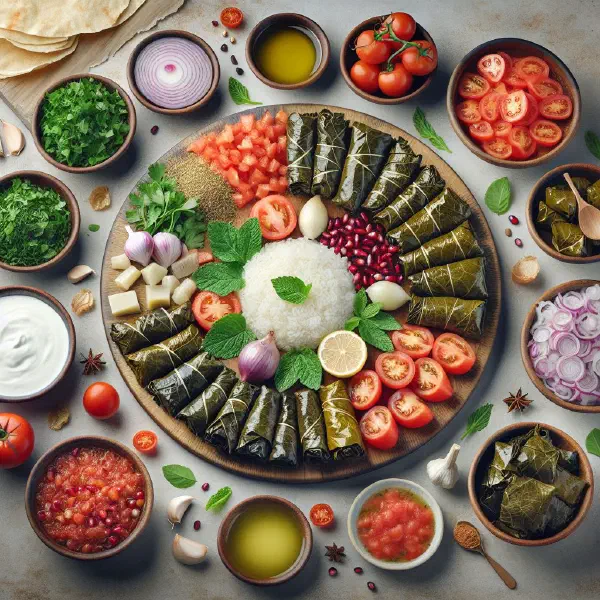
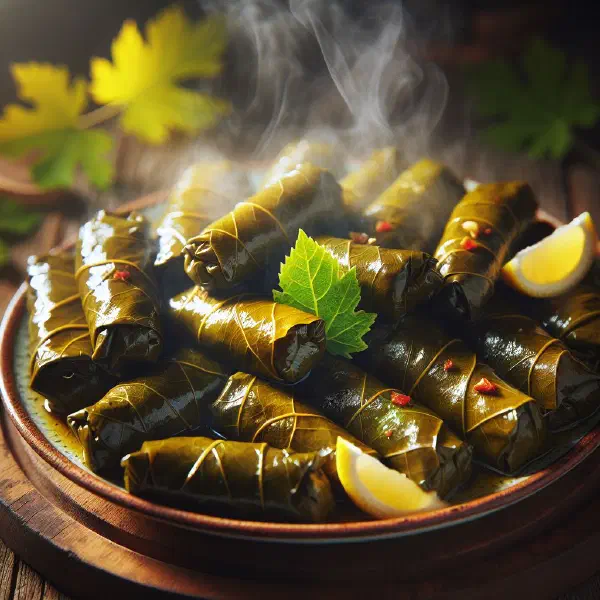
The way you present Warak Enab can dramatically improve the whole dining experience. Serve the stuffed vine leaves on a decorative platter and garnish the dish with fresh herbs and lemon slices. A little Greek yoghurt or a yoghurt sauce can be served on the side as a dip. A spread of mezze such as Hummus and Baba Ganoush makes it even more inviting.
A bit of history
Warak Enab has a long history across the Middle East, where stuffed vine leaves are among the cornerstones of the regional kitchen. Making this dish is often regarded as a family tradition, with generations coming together to prepare the filling and roll the leaves. It symbolises the abundance and hospitality of the region and a deep appreciation for fresh, natural ingredients. Every country has its own version of Warak Enab, differing in filling and preparation, which makes the dish all the more fascinating, a true hallmark of Jordanian cuisine.
More recipe ideas
Summary: Warak Enab
Warak Enab is a superb example of the varied and flavourful range of Middle Eastern cooking. With stuffed vine leaves enriched by a delicious mixture of rice, herbs and spices, this dish brings the aromas of the region straight to your table. Warak Enab is certain to please your guests. Let this culinary experience inspire you and discover the joy of cooking and eating together.