National Dish Jordan: Zaarb (Recipe)
In this article
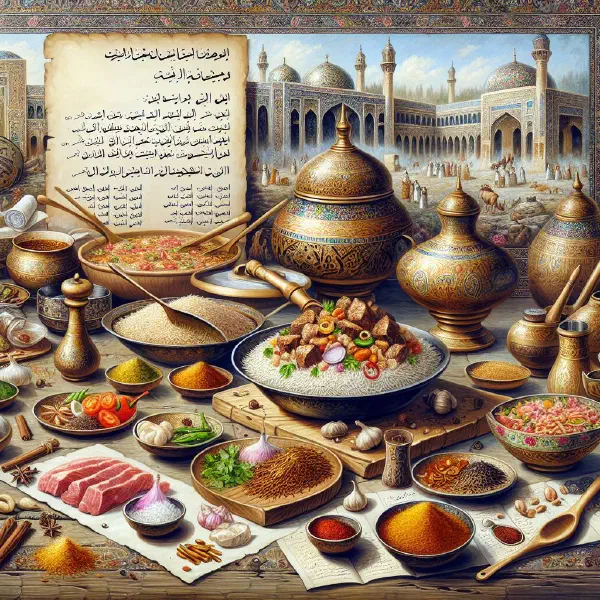
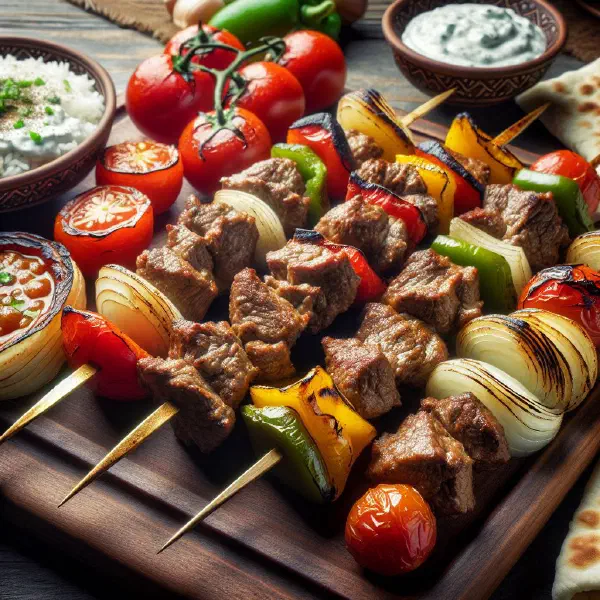
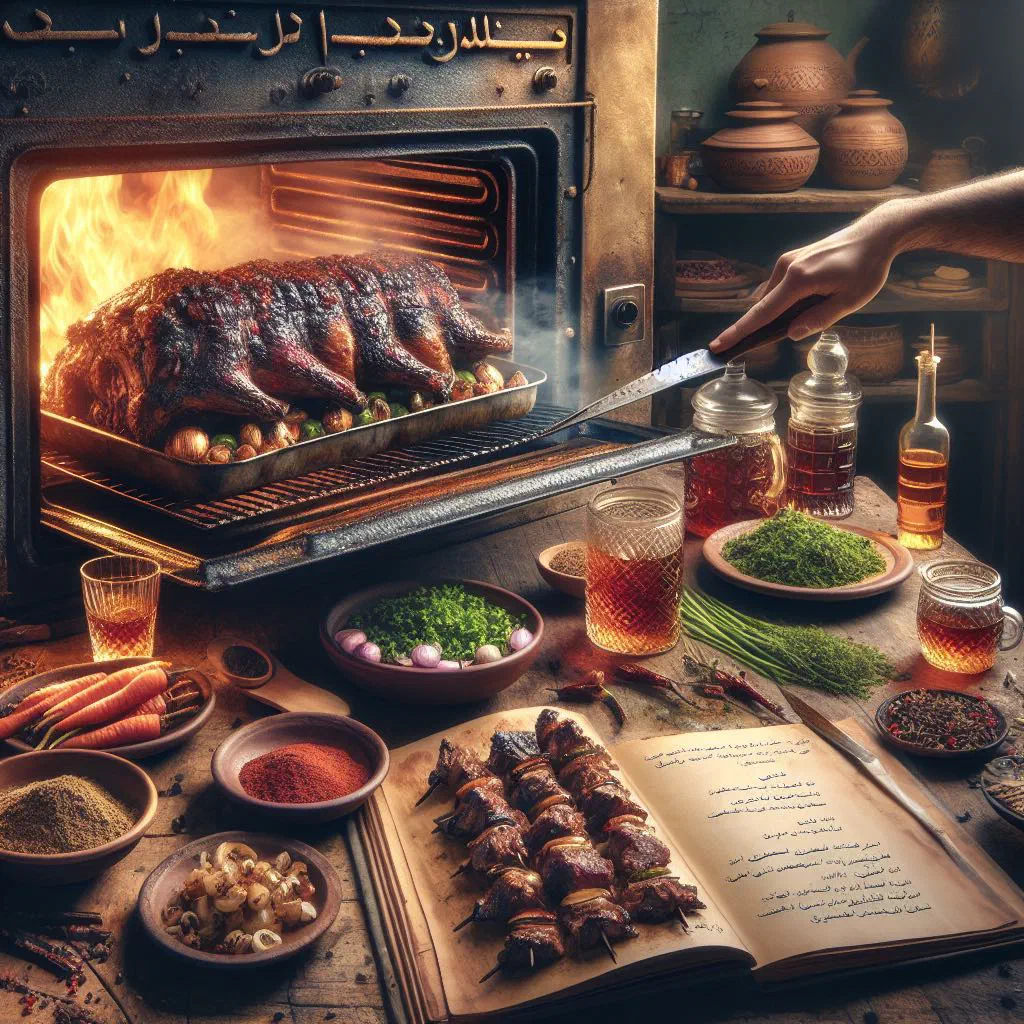
Discover Zaarb, one of Jordan’s most evocative dishes. Rooted in Bedouin tradition, it brings together marinated lamb or chicken, tender vegetables and warm spices, all cooked slowly to draw out their deepest flavours. Traditionally prepared in an underground earth oven, Zaarb is a dish made for celebration, the kind of feast that gathers family and friends around a shared table. Bring a taste of the desert straight to your own kitchen.
About Zaarb
Zaarb is a traditional Jordanian dish, celebrated for its aromatic combination of meat, vegetables and spices. It is most often cooked in an earth oven, a method that lends the dish its unmistakable smoky character. Zaarb is frequently served at festivities and large family gatherings, reflecting the warm, sociable culture of Jordan. The depth of its aromas comes from long, slow cooking, which turns every mouthful into a genuine flavour experience.
Ingredients (serves 1–2)
- 200 g lamb or chicken
- 1 large onion, diced
- 2 carrots, sliced
- 1 pepper, diced
- 2–3 garlic cloves, chopped
- 1 tsp cumin
- 1 tsp paprika
- 1 tsp cinnamon
- Olive oil, for frying
- Salt and pepper, to taste
- Fresh coriander, to garnish
Shopping for the ingredients
To prepare an authentic Zaarb, it is important to choose the right ingredients. Head to your nearest market to pick up fresh meat and vegetables. Make sure the spices are of good quality, as they have a decisive influence on the flavour profile of the dish. Many of the ingredients you need are also available in Asian or Middle Eastern grocery shops.
Preparing the dish
Thorough preparation is key to the success of your Zaarb. Begin by cutting the meat into cubes and marinating it with the spices and a little olive oil. Let the meat rest for at least an hour so the flavours can penetrate. While the meat marinates, chop and set aside the vegetables to speed up the cooking process.
Step-by-step instructions
- Sear the marinated meat in a hot pan with olive oil until nicely browned.
- Add the onion and garlic and continue to fry until soft.
- Stir in the sliced vegetables and mix everything together well.
- Pour in a little water, put the lid on and let the dish cook slowly.
- Stir occasionally and top up with water if needed to prevent it from catching.
- After about 1.5 to 2 hours, take the Zaarb off the heat and garnish with fresh coriander.
Gluten-free / lactose-free version
Zaarb is naturally a gluten-free and lactose-free recipe, as it consists mainly of meat and vegetables. It is important to make sure the spices you use contain no hidden gluten or lactose. Buy pure, unblended spices and fresh ingredients to ensure the dish is suitable for everyone.
Tips for vegans and vegetarians
Vegan and vegetarian versions of Zaarb can be every bit as delicious. Instead of meat, use vegetables, tofu or seitan to make the dish rich and nourishing. Marinate the vegetables or tofu with the same spices to intensify the flavour. Extra depth can be created by adding coconut milk or vegetable stock. For a lighter Jordanian alternative, a fresh Fattoush salad also makes a lovely meat-free centrepiece.
More tips and tricks
A few tips can make preparing your Zaarb even more enjoyable. Use fresh herbs and spices to intensify the aroma. If you want to lift the flavour, try adding dried fruit such as apricots or dates during cooking. A touch of smoked oil can also give the dish a special note reminiscent of the traditional earth oven.
Adapting the recipe to your taste
The wonderful thing about Zaarb is that it can be tailored to personal taste. If you like it spicier, add chillies or extra black pepper. The type of meat can vary too, so you can easily use chicken or even fish.
Ingredient substitutions
Should certain ingredients prove hard to find, there are plenty of alternatives. Chicken is a good option in place of lamb, as it is often easier to source, much like the tender bird in Dajaj Mashwi. For the spices, a ready-made Arabic spice blend works well too. New flavour experiences can also emerge if you use pumpkin or sweet potato instead of carrots.
Drink pairing ideas
Zaarb goes wonderfully with a range of drinks. A refreshing mint tea is a popular choice that complements the dish’s aromas perfectly. For a non-alcoholic option, pomegranate juice or a yoghurt drink can also be served. If you prefer something alcoholic, a lightly chilled white wine or an Arabic beer make good companions.
Serving and presentation ideas
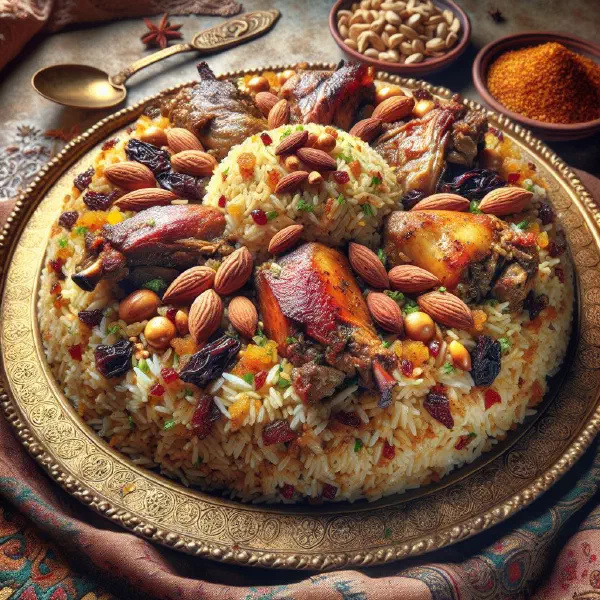
The presentation of your Zaarb can noticeably enhance the dining experience. Serve the dish in a traditional clay pot or on a large wooden platter. Round it off with fresh herbs and a selection of sides, such as flatbread or salad, a plate of Tabbouleh is a classic pairing. A beautifully laid table with Arabic tableware and candlelight creates a warm and welcoming atmosphere for your guests.
A bit of history
Zaarb has a history and is deeply rooted in Jordanian culture. It is often prepared within the traditional Bedouin community and symbolises hospitality and togetherness. Historically, the dish was served at feasts and special occasions to strengthen the bonds of family and community, much like the celebrated national favourite Mansaf. Today it has established itself as a much-loved dish throughout the world of Jordanian cuisine and the wider Arab region.
More recipe ideas
Summary: Zaarb
In summary, Zaarb is a fine and flavourful dish that appeals to the palate and carries deep cultural meaning. Whether at a celebration or a relaxed dinner, Zaarb brings people together and creates memorable memories. The recipe offers countless ways to adapt it, so it can suit every taste. Give it a try and experience the rich diversity of Jordanian cuisine.