National Dish Kazakhstan: Besbarmak with Horse Meat (Recipe)
In this article
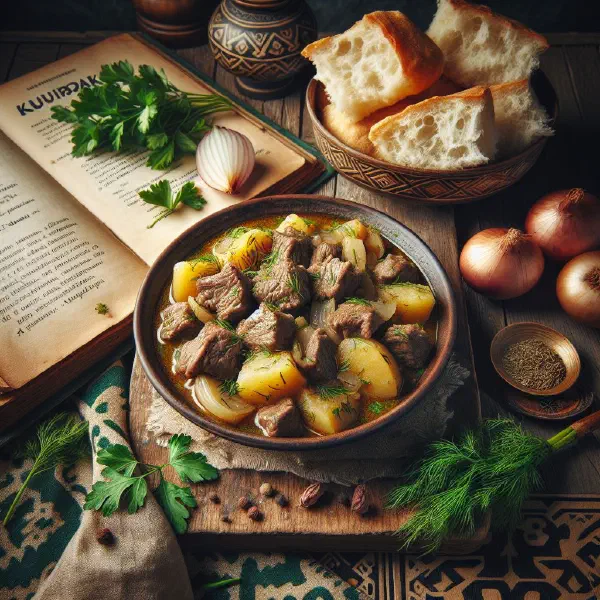
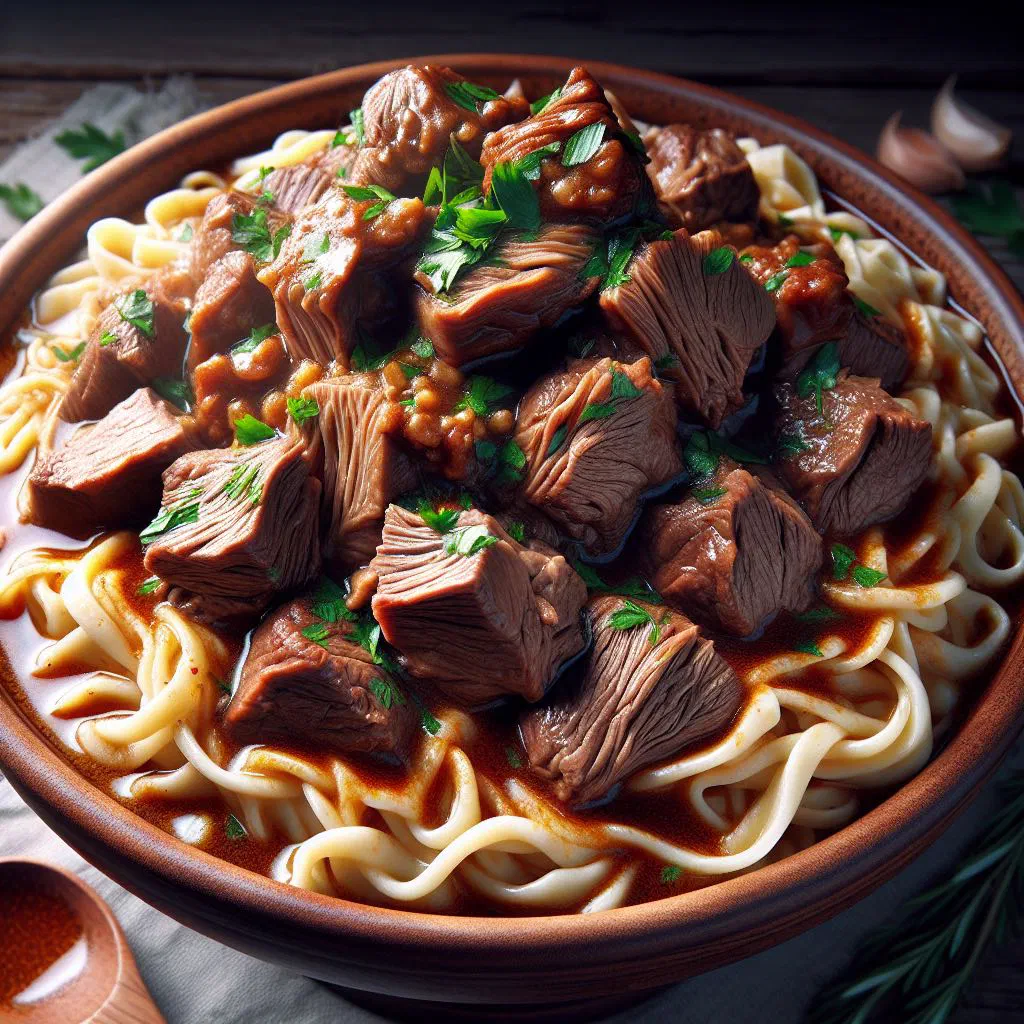
Meet Besbarmak, the proud national dish of Kazakhstan and a true centrepiece of any celebration. Its name means “five fingers,” a nod to the age-old custom of eating it by hand, and every mouthful tells a story of nomadic heritage and open-hearted hospitality. Tender horse meat and silky, hand-rolled noodles come together in a fragrant broth that binds all the flavours into one comforting whole. Bring a taste of the Kazakh steppe to your own table with this generous, feast-worthy recipe.
About Besbarmak
Besbarmak is far more than a meal; it is a part of Kazakh identity. The name “five fingers” reflects the traditional way of enjoying it, eaten with the hands, shared among family and friends. These hearty flat noodles and pieces of tender horse meat are served in a fragrant broth that ties the flavours together beautifully. Besbarmak often features at larger gatherings and reflects the warmth of Kazakh hospitality, which has made it a lasting symbol of the country’s culture and tradition.
Ingredients (serves 1–2)
- 300 g horse meat (or beef)
- 200 g plain flour
- 1 egg
- Water, as needed
- 1 onion
- Salt and pepper, to taste
Shopping for the ingredients
For the best Besbarmak, it is worth choosing quality ingredients from the start. Shopping begins with the choice of meat, and fresh horse meat is often the finest option. If it is hard to find, beef makes an excellent stand-in. Pick up good-quality staples for both the broth and the noodles so you get the fullest possible flavour from a fairly short ingredient list.
Preparing the dish
Once you have gathered everything, the preparation begins, and this stage is key to enjoying the dish at its best. The meat should be washed thoroughly and cut into suitable pieces, while the onion is finely chopped. The noodle dough needs careful handling, working the flour and egg together until you reach the perfect consistency. Allow yourself plenty of time so each element can be prepared unhurried and just right.
Step-by-step instructions
- Bring a large pot of water to the boil and add the meat. Let it simmer for about 1.5 hours, until tender.
- Lift the meat from the broth and let it cool a little, then cut it into small pieces.
- Meanwhile, make the noodles by mixing the flour, water and egg into a smooth dough, then rolling it out thinly.
- Cut the sheet of dough into squares and cook them in the broth for a few minutes.
- Serve the noodles and meat together with the broth and the chopped onion.
Gluten-free / lactose-free version
Besbarmak is easy to prepare gluten-free or lactose-free. Use gluten-free flour for the noodles so the dough still comes together nicely. Where a recipe calls for dairy, plant-based alternatives step in without any trouble, meaning people with intolerances can enjoy the dish too. These small adjustments keep the flavour intact while making the meal more inclusive.
Tips for vegans and vegetarians
Vegans and vegetarians need not miss out on the flavours of Besbarmak. In place of meat, use a combination of hearty vegetables and plant-based proteins to build a satisfying, savoury note. A well-made vegetable broth also helps you achieve the depth of flavour the dish is known for. Experiment with spices and herbs to tailor it to your taste, much as you might with a bowl of Lagman.
More tips and tricks
To get the best from Besbarmak, let the broth simmer for a good while so it turns rich and full-bodied. The balance of meat to dough matters too; aim for a ratio that keeps the meat front and centre. Making the dish a little ahead of time gives the flavours space to develop, and it can be served warm to your guests when they arrive. Do not forget extra spices such as pepper and paprika to give everything a final flourish.
Adapting the recipe to your taste
Do not feel bound to the basic ingredients when making Besbarmak. Adapt the recipe to your own palate by using different cuts of meat or adding vegetables to the pot. A scattering of fresh herbs can also lend the dish a distinctive character.
Ingredient substitutions
If horse meat is difficult to source or simply not to your taste, the dish works just as well with chicken or lamb. Gluten-free flour is widely available and swaps in easily for the noodles. For the broth, a light vegetable stock makes a good alternative, keeping the dish both flavourful and flexible to suit different preferences.
Drink pairing ideas
The right drink can lift a Besbarmak meal considerably. Traditionally it is served with Kymyz, a fermented drink made from mare’s milk that complements the flavours of the dish. Alternatively, a cup of Kazakh Tea or even a glass of red wine makes a fine companion. Reaching for local Kazakh drinks rounds off the authentic experience.
Serving and presentation ideas
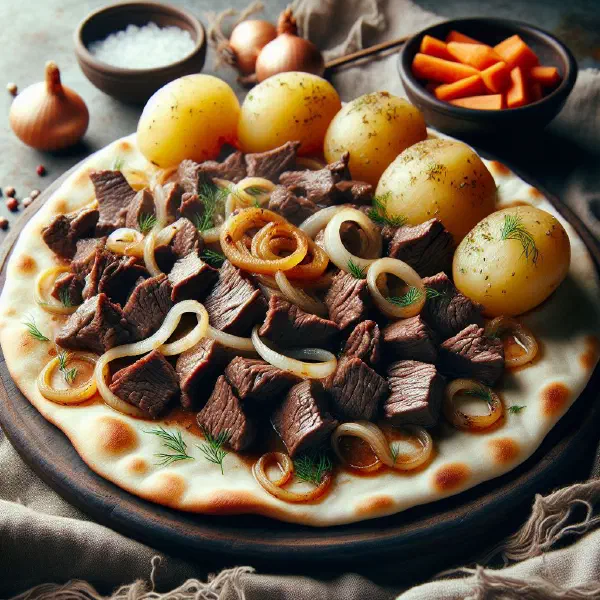
Presentation plays a big part in serving Besbarmak. Use large, flat plates so the noodles and meat are shown off to their best advantage. Decorate the dish with fresh herbs and a few rings of onion to add colour and freshness. These details raise the visual appeal and make the dish more inviting for your guests.
A bit of history
Besbarmak has its origins in the nomadic traditions of Kazakhstan and reflects the country’s long history. The dish was traditionally served at grand feasts and celebrations to honour guests. Preparing Besbarmak was always a social occasion, bringing families and friends together around one table. Today it is a favourite meal and a symbol of Kazakh culture and hospitality, and one of the finest examples of Kazakh cuisine.
More recipe ideas
Summary: Besbarmak with Horse Meat
Besbarmak is a celebration of Kazakh culture. With its delicious combination of meat, noodles and rich broth, it offers a unique flavour that can be adapted with a range of alternative ingredients. Its preparation is part of a living tradition, and thoughtful presentation makes the experience memorable. Enjoy the flavours of Kazakh hospitality by making your very own Besbarmak at home.