National Dish Kazakhstan: Qazy-Karta (Recipe)

In this article
Say hello to Qazy-Karta, a dish that carries the true spirit of the Kazakh table. Built around richly flavoured horse meat and a careful hand with warming spices, it is the kind of food that turns up at feasts and celebrations, a byword for the famous hospitality of the steppe. Simmered slowly until meltingly tender, it rewards patience with deep, satisfying flavour, a wonderful way to bring a taste of Central Asia into your own kitchen.
About Qazy-Karta
Qazy-Karta is a traditional Kazakh dish that captures the very essence of the country’s cuisine. Its main ingredient is horse meat, cooked together with a well-chosen selection of fine spices. It is often served at festive occasions, which makes it a symbol of Kazakh hospitality and culture. The method and the ingredients vary from one region to the next, but the foundation stays the same: quality produce and plenty of attention to detail. Like so many dishes of Kazakh cuisine, it is as much about sharing as it is about eating.
Ingredients (serves 1–2)
- 300 g horse meat (shoulder, for example)
- 1 onion, finely chopped
- 2–3 garlic cloves, crushed
- 1 teaspoon cumin
- 1 teaspoon paprika
- Salt, to taste
- Pepper, to taste
- Water (as needed)
Shopping for the ingredients
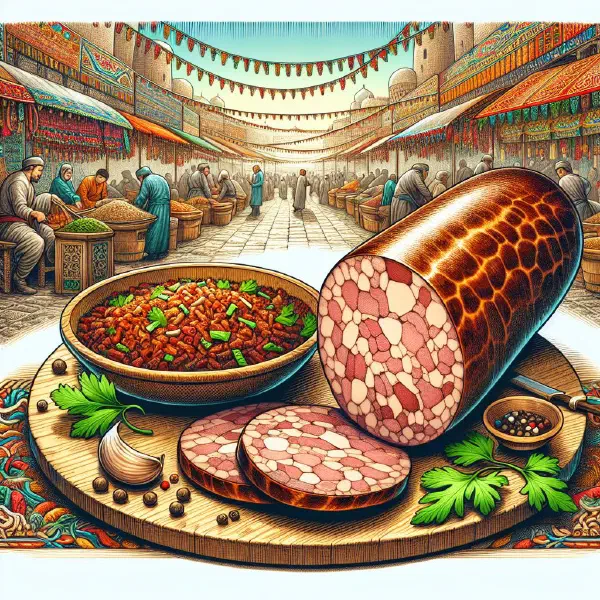
If you are looking forward to making Qazy-Karta, sourcing the right ingredients matters. Visit local butchers or markets to find fresh horse meat, as it is not stocked in every supermarket. Spices such as cumin and paprika are often easier to track down in specialist or ethnic food shops. Plan ahead so you can be sure you have everything you need before you start cooking. A dish that shares its heritage with Kazy, the cured horse-meat sausage, deserves the very best cuts you can find.
Preparing the dish
Preparing Qazy-Karta begins with careful selection and cleaning of the ingredients. The horse meat should be cut into even pieces so it cooks at a uniform rate. Chop the onion and crush the garlic cloves to release their aromas. Have the spices measured out and ready too, since they make a decisive contribution to the flavour of the finished dish.
Step-by-step instructions
- Bring the horse meat to the boil in a pan with a little water.
- Once it is boiling, reduce the heat and add the chopped onion and the crushed garlic cloves.
- Add the spices — cumin, paprika, salt and pepper — to the pan and stir well.
- Let everything simmer gently over low heat for about 1.5 to 2 hours, until the meat is tender.
Gluten-free / lactose-free version
Qazy-Karta is naturally both gluten-free and lactose-free, since it contains neither grains nor dairy products. Even so, take care that every spice and ingredient you use is also free of gluten and lactose. This makes the dish especially accessible for anyone with the corresponding food intolerances. Keep an eye on the gluten and lactose content and you can enjoy it with complete peace of mind.
Tips for vegans and vegetarians
Although Qazy-Karta is traditionally made with horse meat, it can easily be adapted to suit vegan or vegetarian tastes. Replace the meat with plant-based alternatives such as tofu or seitan, and use vegetable stock as the base. Be sure to adjust the spices to achieve the flavour you are after. That way vegans and vegetarians can enjoy this Kazakh speciality too.
More tips and tricks
A few pointers can help you perfect Qazy-Karta. It is best to let the dish simmer over low heat so the flavours have time to develop more fully. A longer cooking time keeps the meat especially tender and juicy. Serve it hot with fresh bread, a warm round of Baursak is ideal, or with traditional side dishes for a thoroughly satisfying meal.
Adapting the recipe to your taste
Everyone has different tastes and preferences, and that is just as true of Qazy-Karta. You can add your own favourite herbs or vegetables to give the dish a personal touch. Experiment with the spices to find the perfect balance that flatters your palate. This makes the dish not only delicious but truly your own.
Ingredient substitutions
Sometimes you may need to swap ingredients out to suit availability or dietary needs. In place of horse meat you can use lamb or beef, both of which harmonise well in terms of flavour, the same beef that features in a hearty Beshbarmak. Vary the spices, too, and experiment with different herbs and aromatic plants. Alternatives like these can enrich the dish and open up new taste experiences.
Drink pairing ideas
To round off the culinary experience of Qazy-Karta, choose drinks that underline the flavour of the dish. Traditionally, Kazakh wines or a refreshing sparkling mineral water pair well. For special occasions, fruity cocktails or a classic red wine can make an excellent choice. You might also serve a glass of Kumys, the fermented mare’s milk that is such a Kazakh institution. These drinks enrich the meal and add to the sense of celebration.
Serving and presentation ideas
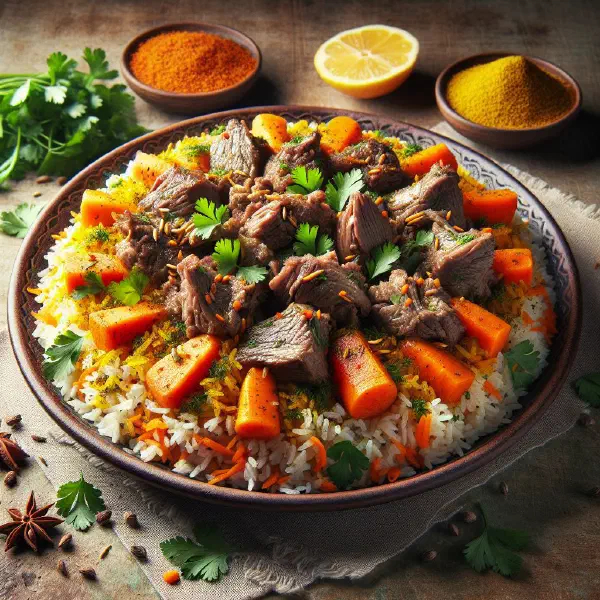
Presentation plays an important part with Qazy-Karta, especially when you serve it at festive occasions. Use a large, shallow dish and garnish the food with fresh herbs or vegetables. Make sure the colours of the ingredients show to good effect, so that the whole eating experience is enhanced. A creative arrangement of the side dishes can make the dish visually appealing and impress your guests.
A bit of history
Qazy-Karta has deep roots in Kazakh culture and history. It is a dish traditionally prepared by nomads, who relied on the quality and freshness of their ingredients. The dish reflects the way of life and the values of hospitality that the Kazakh people hold dear. It is often served at important occasions and festivals, which underlines the cultural standing of Qazy-Karta.
More recipe ideas
Summary: Qazy-Karta
In short, Qazy-Karta is a traditional Kazakh dish that impresses not only with its flavours but with its cultural significance. Its preparation calls for fresh ingredients and care to draw out the full aroma. Whether at festive occasions or as part of everyday cooking, this dish has established itself as a delicious way to enjoy and celebrate Kazakh culture.