National Dish Kenya: Bajia (Recipe)
In this article
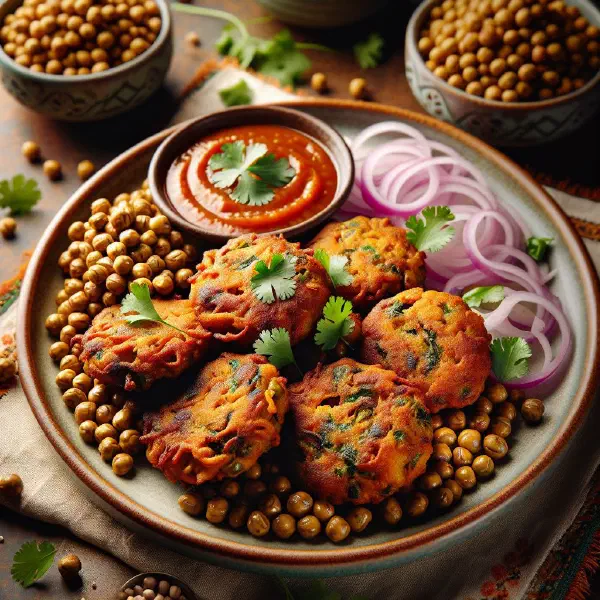
Meet Bajia, one of Kenya’s best-loved snacks. These golden chickpea fritters are crisp on the outside and beautifully tender within, carrying the warm scent of cumin, coriander and fresh green chilli. Sold from street stalls along the Swahili coast and made at home for guests and celebrations alike, they are the kind of thing you reach for again and again. A handful of storecupboard spices is all it takes to bring that coastal Kenyan buzz into your own kitchen.
About Bajia
Bajia is a much-loved snack from Kenya that has won admirers far beyond East Africa. These chickpea pakoras strike a perfect balance between a crunchy outer shell and a soft, fluffy centre. A generous mix of aromatic spices and freshly chopped herbs gives them a flavour that is entirely their own. Bajia never disappoints, and they carry the sheer variety of Kenyan cuisine straight to your plate.
Ingredients (serves 1–2)
- 200 g chickpea flour (gram flour)
- 1 small onion, finely chopped
- 1–2 green chillies, finely chopped (optional)
- 1 teaspoon cumin
- 1 teaspoon ground coriander seed
- Fresh coriander leaves, chopped
- Salt to taste
- Water, as needed
- Oil, for deep-frying
Shopping for the ingredients
To gather everything you need for bajia, it is well worth a trip to an Asian or Afro-Caribbean grocery. Shops like these stock items such as chickpea flour that many ordinary supermarkets simply do not carry. The fresh herbs and whole spices are essential to an authentic flavour, so the extra journey and a little hunting for good-quality ingredients pay off. Ask about seasonal spices or additions too. They can make your bajia even better.
Preparing the dish
Getting ready to make bajia is straightforward, though a few basic steps make all the difference. Begin by washing and preparing all your ingredients properly. Chop the onion and chillies, and finely shred the fresh herbs. If you are using chickpea flour, sift it well so no lumps remain. They would otherwise spoil the texture of the finished fritters. Thorough preparation keeps the cooking itself calm and effortless.
Step-by-step instructions
- In a large bowl, combine the chickpea flour with water and the spices until you have a smooth batter.
- Stir the onion, chillies and freshly chopped coriander through the batter.
- Heat the oil in a deep pan until it is properly hot.
- Drop small spoonfuls of the batter into the hot oil and fry until golden brown.
- Drain the bajia on kitchen paper to remove any excess oil.
Gluten-free / lactose-free version
For a gluten-free or lactose-free take on bajia, stick to pure chickpea flour, which is naturally free of gluten. Check the packaging to be sure there has been no cross-contamination during milling. Since the recipe contains no dairy at all, it is already lactose-free as it stands. Just take care to choose a frying oil without additives.
Tips for vegans and vegetarians
Bajia is naturally vegan, since every element comes from plants. You can also fold in extra vegetables such as spinach or grated carrot for more nutrients and colour. Do check that your spice blends are vegan too and contain no hidden animal products. That makes this dish a brilliant choice for anyone following a plant-based diet, much like the lentil fritters known as Bhajia Za Dengu.
More tips and tricks
To get bajia just right, it pays to experiment with the frying temperature. If the oil runs too hot, the fritters will darken outside while staying raw in the middle. Drop in a small blob of batter first to test the heat before committing the whole batch. Draining them well afterwards is equally important: it keeps the bajia from turning greasy and preserves that prized crunch.
Adapting the recipe to your taste
This bajia recipe is easy to bend to your own preferences. Want more heat? Simply add extra green chillies. For a different character, work in other spices such as garam masala or paprika. Each variation puts a fresh twist on the traditional method and leaves you free to season exactly as you please, the same spirit of improvisation that shapes dishes like Viazi Karai.
Ingredient substitutions
If chickpea flour is not available, other flours such as rice flour or maize flour will give you a comparable texture. In place of fresh coriander you can use parsley for a gentler, less pungent result. Be inventive with what you have to hand, unexpected combinations often lead to the most interesting flavours.
Drink pairing ideas
To round out the bajia experience, East African drinks make excellent company. A refreshing lemon and ginger tea picks up the spices beautifully, and a proper cup of spiced Chai Ya Tangawizi does the same job with a little more warmth. A cold craft beer offers a crisper kind of refreshment, while a fruity lemonade provides a sweet contrast to the savoury fritters.
Serving and presentation ideas
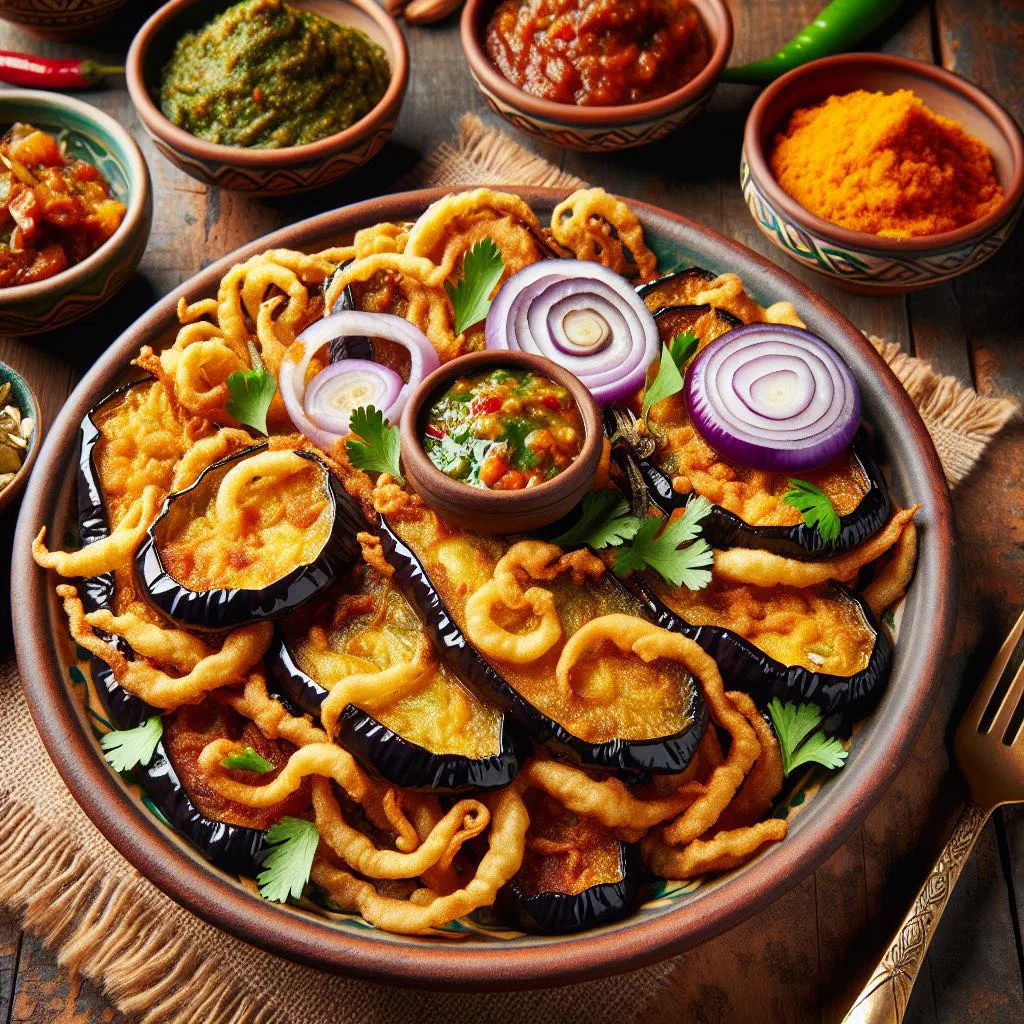
Presentation matters when you want your bajia to look as good as it tastes. The simplest approach is to arrange the fritters on an attractive plate or in a shallow bowl and scatter over fresh herbs. Serve them with a spicy dipping sauce or a fresh salad such as Kachumbari to add colour and bite. A thoughtful arrangement makes the whole spread far more inviting for your guests.
A bit of history
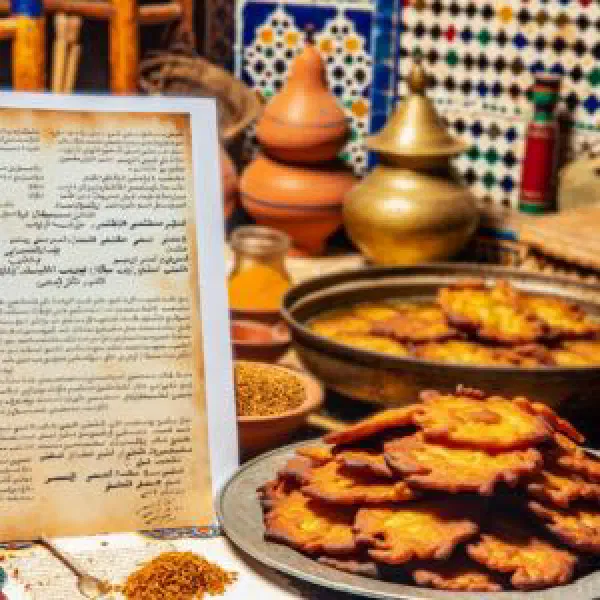
Bajia has its roots in East African and Swahili coastal cooking, and in Kenya it appears regularly at festivals and special occasions. Chickpeas are a staple across many African countries, standing for nourishment and prosperity. The traditional method and the sheer range of possible ingredients have made bajia a deeply cherished dish, one that reflects the rich culinary history of the region alongside classics such as Sambusa.
More recipe ideas
Summary: Bajia
In short, bajia is a delicious and genuinely easy dish that appeals to with its spices and its fresh vegetable bite. The crisp texture and savoury, gently fiery aroma make it an ideal snack or side. Enjoy the variety of East African cooking as you go, and let the aromas work their magic. Give this recipe a try and bring a little piece of Kenya to your table.