National Dish Kenya: Chai ya Tangawizi (Recipe)
In this article
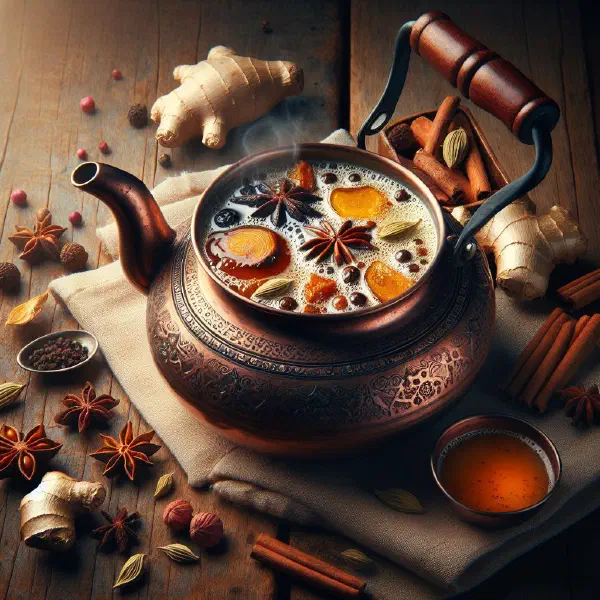
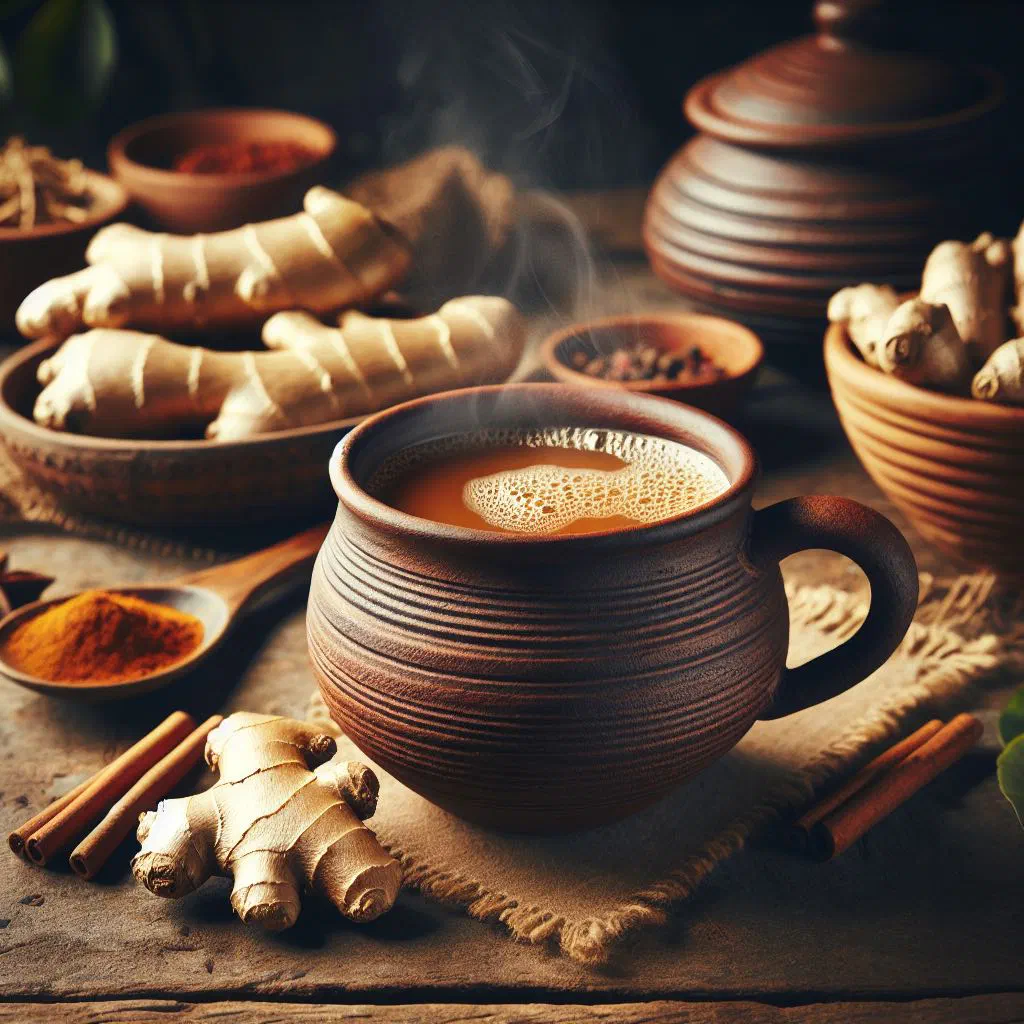
Few things say karibu, welcome, quite like a steaming cup of Chai ya Tangawizi. This gently fiery Kenyan ginger tea simmers fresh root with black tea, milk and warming spices until the whole kitchen smells of it. It is the drink poured for visitors, brewed on cold highland mornings and shared over long conversations. Simple to make and endlessly forgiving, it turns a handful of everyday ingredients into something genuinely comforting.
About Chai ya Tangawizi
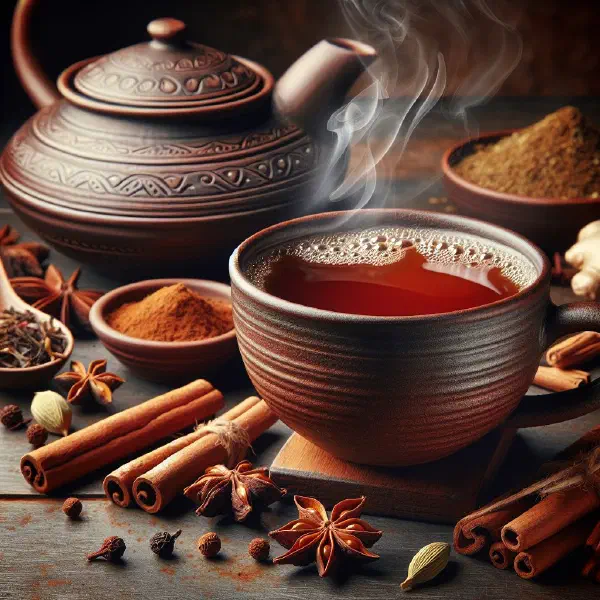
Chai ya Tangawizi is a much-loved drink in Kenya, brewed from ginger, an assortment of spices and strong black tea. The aromatic infusion marries the warmth of the spices with the mellow sweetness of milk, giving it a flavour all of its own. It is most often served in company, as a way of marking the country’s culture and traditions. It is far more than a mere beverage: it reflects the communal spirit and generous hospitality of the Kenyan people.
Ingredients (serves 1–2)
- 2 cups water
- 2–3 pieces fresh ginger (to taste)
- 2 teaspoons black tea leaves
- 1–2 cups milk (according to preference)
- 2 tablespoons sugar (optional)
- 1 cinnamon stick (optional)
- Cardamom pods or cloves, to taste
Shopping for the ingredients
Chai ya Tangawizi needs fresh ingredients if it is to give up its full flavour. The ginger should be firm and fragrant, while spices such as cinnamon, cardamom and cloves can be bought either whole or ground. Head to a local market or an Asian grocery to track down the best of them. Do take care to choose good-quality tea leaves, as they shape the character of the finished brew more than anything else.
Preparing the dish
Before you start on Chai ya Tangawizi, make sure everything you need is within easy reach. Wash the ginger thoroughly and cut it into thin slices so the aroma is released as it cooks. Any additional spices can be prepared at this stage too. A little groundwork makes the cooking quicker and simpler, so you will be enjoying this delicious tea in no time at all.
Step-by-step instructions
- Bring the water to the boil in a saucepan.
- Add the sliced ginger along with whichever spices you have chosen.
- Let the mixture simmer for around 10 minutes to deepen the flavour.
- Add the black tea and leave it to steep for 5 minutes.
- Pour in the milk and sweeten to taste.
- Strain the tea into cups and enjoy it piping hot.
Gluten-free / lactose-free version
Chai ya Tangawizi adapts readily to particular dietary needs. For a gluten-free cup, simply check that the tea you use is certified free from gluten. For a lactose-free version, reach for a plant-based milk such as almond, soya or oat. These alternatives not only solve the problem for anyone with a lactose intolerance, they also bring an extra dimension of flavour to the drink.
Tips for vegans and vegetarians
If you eat a vegan diet, a plant-based milk is all the swap you need, as mentioned above. It is worth choosing a vegan sweetener too, agave syrup or coconut blossom sugar both work beautifully. The essential character of the recipe survives the change of milk entirely intact. Chai ya Tangawizi also goes well with all manner of plant-based snacks, much like the fried Bhajias so often served at tea time.
More tips and tricks
To get the most from your Chai ya Tangawizi, it pays to experiment a little. Try adding a pinch of nutmeg, for instance, to lend the tea an extra layer of warmth. You can also let the tea steep for longer if you prefer a bolder, more assertive flavour. So much depends on personal taste, so do not hesitate to play around with the quantities until it is exactly right.
Adapting the recipe to your taste
Chai ya Tangawizi is remarkably flexible and easily tailored to your own preferences. Fancy it sweeter? Add more sugar, or try a different sweetener altogether. Prefer it less fiery? Simply cut back on the ginger or the other spices. That breadth of flavour is what makes it such a versatile drink for every palate.
Ingredient substitutions
Where an ingredient proves hard to come by, there is usually a workable alternative. Instead of black tea you might try green or herbal tea for a quite different range of aromas. The ginger, too, can be swapped for another root such as turmeric, bringing its own set of health benefits along with it.
Drink pairing ideas
Plenty of drinks sit happily alongside Chai ya Tangawizi and round out its flavour. Consider serving a classic fresh fruit juice or a lively iced tea for a refreshing contrast. Equally, a mild beer or a glass of red wine can chime pleasantly with the tea’s spicing. Experiment according to the occasion and your own mood until you find the ideal match.
Serving and presentation ideas
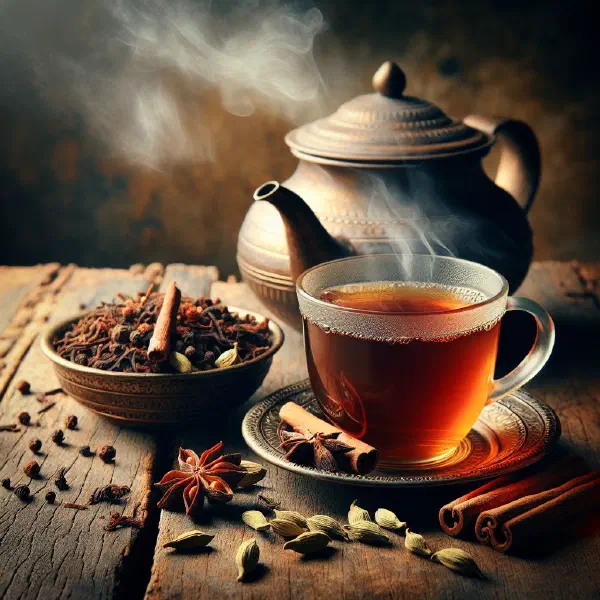
The way you present Chai ya Tangawizi can lift a tea party or a gathering of friends. Serve it in handsome teacups, perhaps garnished with a decorative cinnamon stick or a slice of ginger. A proper teapot or serving jug adds a touch of style to the pouring, too. Small details like these improve the whole ritual of tea drinking and create a genuinely welcoming atmosphere, especially with sweet Mandazi or Kaimati set out alongside.
A bit of history
The roots of Chai ya Tangawizi reach back into Africa’s rich agricultural traditions, where spices and herbs have played a central role for centuries. The tea is prized for its taste and for its restorative qualities, which have done much to secure its popularity. It is traditionally brewed in the company of guests, underlining the hospitality that runs through Kenyan cuisine and its culture. That makes it not merely a drink, but a symbol of community and belonging.
More recipe ideas
Summary: Chai ya Tangawizi
In short, Chai ya Tangawizi is an indispensable part of Kenyan culture, standing for warmth and togetherness in equal measure. With its straightforward method and its adaptable ingredients, it offers anyone the chance to bring a little piece of Africa into their own cup. Savour the rich aroma and the comforting qualities of this tea, and share it with friends or family to keep the tradition alive.