National Dish Kenya: Coconut Rice (Recipe)
In this article
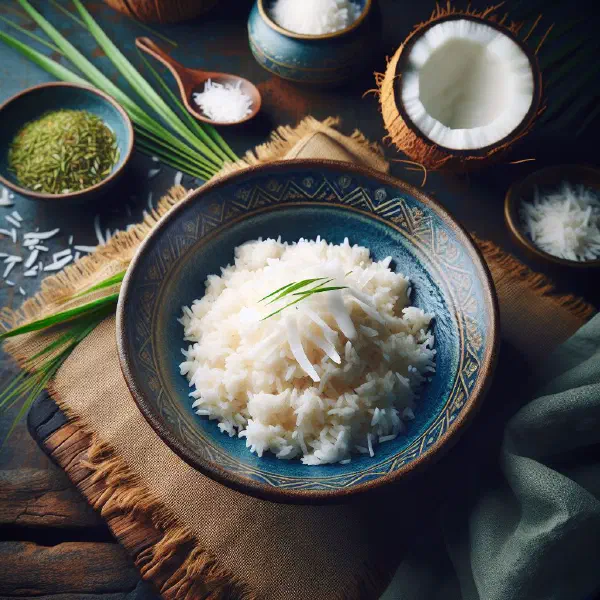
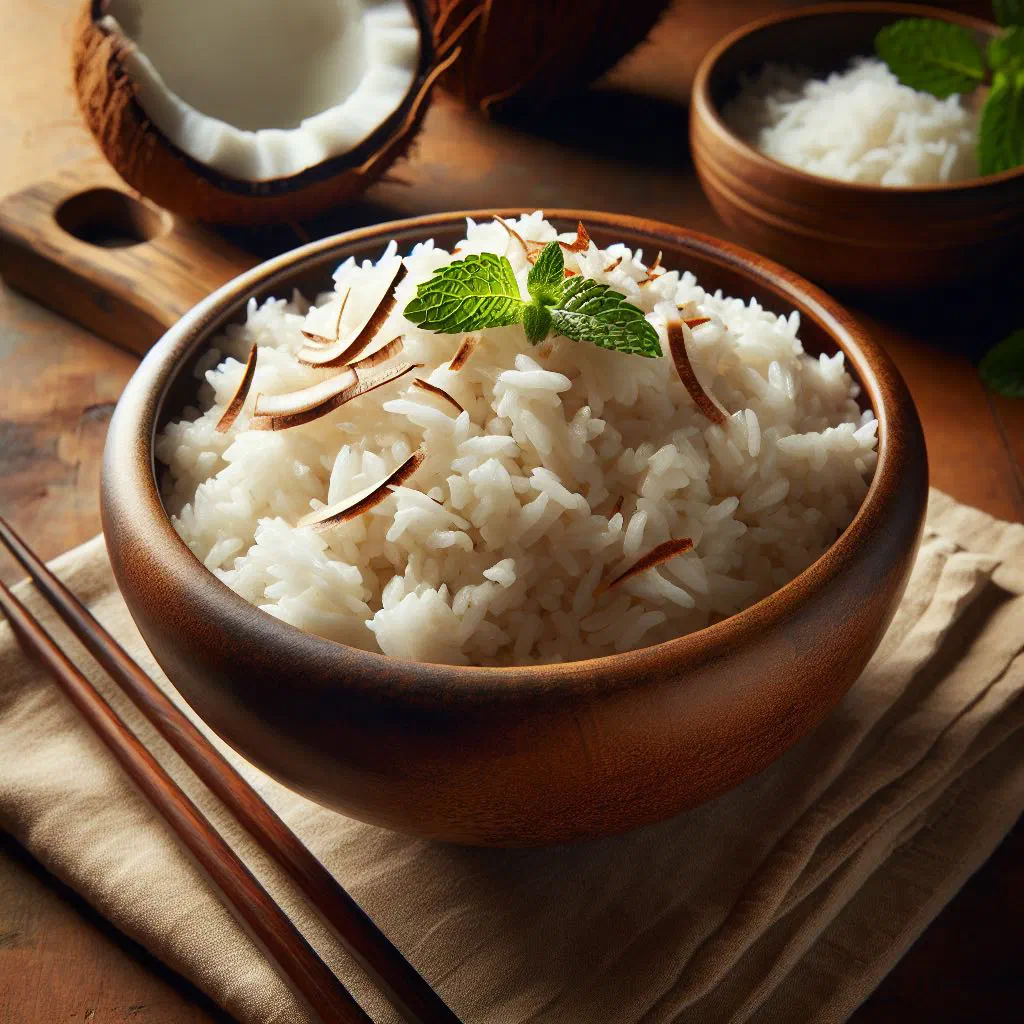
Discover Coconut Rice, a fragrant Kenyan favourite in which fluffy grains soak up the creamy sweetness of coconut milk. Simple, comforting and quietly luxurious, it is the side dish that turns a bowl of spicy curry into a proper feast, and it brings a breath of the tropical Swahili coast straight to your kitchen. Few recipes give back so much flavour for so little effort.
About Coconut Rice
Coconut Rice is a traditional Kenyan dish that wins people over with its unusual pairing of fragrant rice and the creamy sweetness of coconut. It is most often served alongside spicy curries or other hearty mains, where its gentle richness balances the heat beautifully. This is more than a pleasure for the palate. It carries the tropical character of the East African coast to your table. Easy to make and endlessly adaptable, it suits both an exotic dinner and everyday cooking, lending any menu a distinctive note.
Ingredients (serves 1–2)
- 1 cup long-grain rice
- 1 cup coconut milk
- 1/2 cup water
- 1 teaspoon salt
- 1 teaspoon sugar (optional)
- Fresh coriander, to garnish
Shopping for the ingredients
The ingredients for coconut rice are easy to track down in most supermarkets. Coconut milk is usually stocked in the Asian or international aisle. Do choose a good-quality coconut milk, as it carries most of the flavour in this dish. Rice comes in many varieties, but long-grain is the best fit here: it absorbs the aromas well and keeps its light, separate texture throughout cooking.
Preparing the dish
Before you start cooking, rinse the rice thoroughly to wash away excess starch. This prevents a claggy, sticky texture and keeps the grains loose and fluffy. Once rinsed, let the rice soak in water for around 30 minutes. This step not only improves the final texture, it also shortens the cooking time, a small bit of groundwork that pays off in the pan.
Step-by-step instructions
- Drain the soaked rice thoroughly.
- Put the coconut milk, water, salt and sugar (if using) into a saucepan.
- Add the rice and bring to the boil.
- Reduce the heat, cover the pan and simmer gently for about 15–20 minutes, until the rice is tender.
- Take the pan off the heat and let the rice rest for a further 10 minutes before serving.
Gluten-free / lactose-free version
Coconut rice is naturally gluten-free and lactose-free. The two main ingredients, rice and coconut milk, contain neither gluten nor lactose, which makes the dish ideal for anyone with these intolerances. Do check, however, that your coconut milk does not include added stabilisers that might contain gluten. With that one small check, everyone at the table can enjoy the dish without a second thought.
Tips for vegans and vegetarians
Coconut rice is a thoroughly vegan and vegetarian dish that adapts easily to different dietary needs. You can expand the recipe as you like by stirring in vegetables such as peas, carrots or peppers for extra colour and nutrients. These variations make the rice more appealing to look at and more nourishing to eat, much like the vegetable-rich Githeri. Simply make sure every ingredient you use is plant-based to keep the dish fully vegan.
More tips and tricks
To deepen the flavour of your coconut rice, add a little ginger or turmeric to the pan as it cooks. Both spices complement the sweetness of the coconut beautifully and give the rice a warm golden colour. The cooking method can be adjusted too: for an even richer result, replace half the coconut milk with vegetable stock, which adds savoury depth. Experiment with different herbs until the dish tastes exactly the way you want it.
Adapting the recipe to your taste
One of the great virtues of coconut rice is its versatility. It is easy to adjust for personal preference or whatever is in season. If you like things hotter, stir in chopped chillies or a spoonful of curry paste before cooking. Fruit such as pineapple or mango can also go in during preparation, lending the rice a bright, fruity note and turning it into a complete meal in its own right.
Ingredient substitutions
If you have no coconut milk to hand, or you would rather use a different milk, oat milk or almond milk both work. They bring a different character to the dish, but they are tasty in their own way and sit well with the other ingredients. With seasonings such as salt and sugar, simply adjust to your own palate. Every variation creates a fresh taste experience while still respecting the spirit of the original, the same flexible approach that works so well with Coconut Beans.
Drink pairing ideas
Coconut rice goes with a range of drinks that underline its flavour. Try a tropical fruit cocktail, or a chilled sparkling water with a squeeze of lime. Spiced Kenyan tea such as Chai is another fine match. For something alcoholic, a rum-based cocktail picks up the tropical aromas perfectly. Any of these turn dinner into an occasion and leave a lasting impression.
Serving and presentation ideas
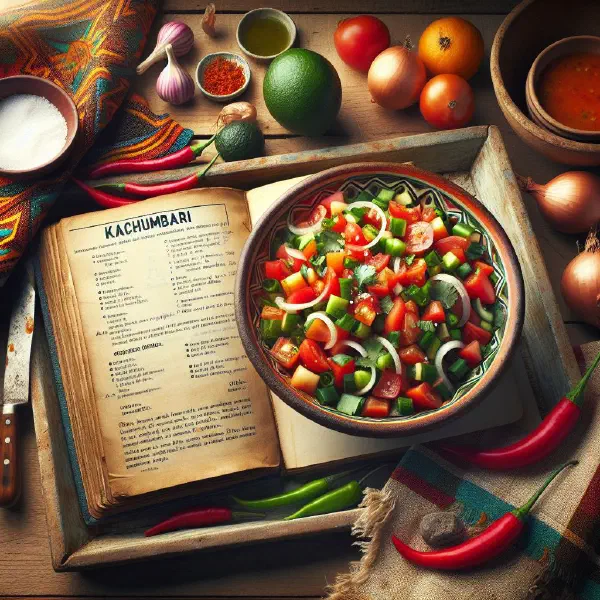
Presentation matters if you want coconut rice to look as appetising as it tastes. Use brightly coloured plates or bowls to contrast with the pale rice and creamy sauce. A scattering of fresh coriander or a few strips of mango on top adds visual appeal and a lift of freshness. Set out small bowls of accompaniments alongside, a sharp Kachumbari works especially well, to emphasise the variety of the spread.
A bit of history
Coconut rice has its roots in traditional Kenyan cooking and shows what can be achieved with simple but flavourful ingredients. Coconut is used widely across the tropics because it is both readily available and nourishing, and along Kenya’s Swahili coast it has long been a cornerstone of the kitchen. The dish is not only a local speciality but has gained international recognition, and countless variations are cooked across Asia and Africa. It sits comfortably beside classics such as Pilau in the wider story of Kenyan cuisine.
More recipe ideas
Summary: Coconut Rice
Coconut rice is a light, versatile and wholesome side dish that gathers up the best of Kenyan cooking in a single pan. With just a handful of ingredients and a straightforward method, you can create something both aromatic and nourishing. It is sure to win over your guests. Let this tropical pleasure tempt you, and bring a little of the East African coast into your own kitchen.