National Dish Kenya: Kachori (Recipe)
In this article
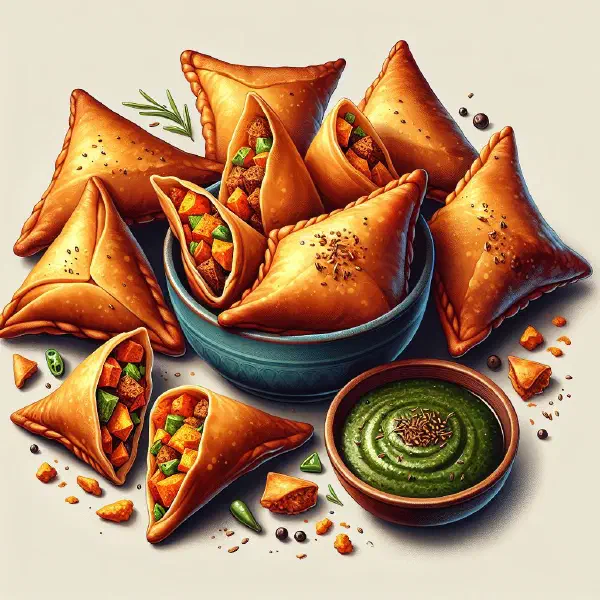
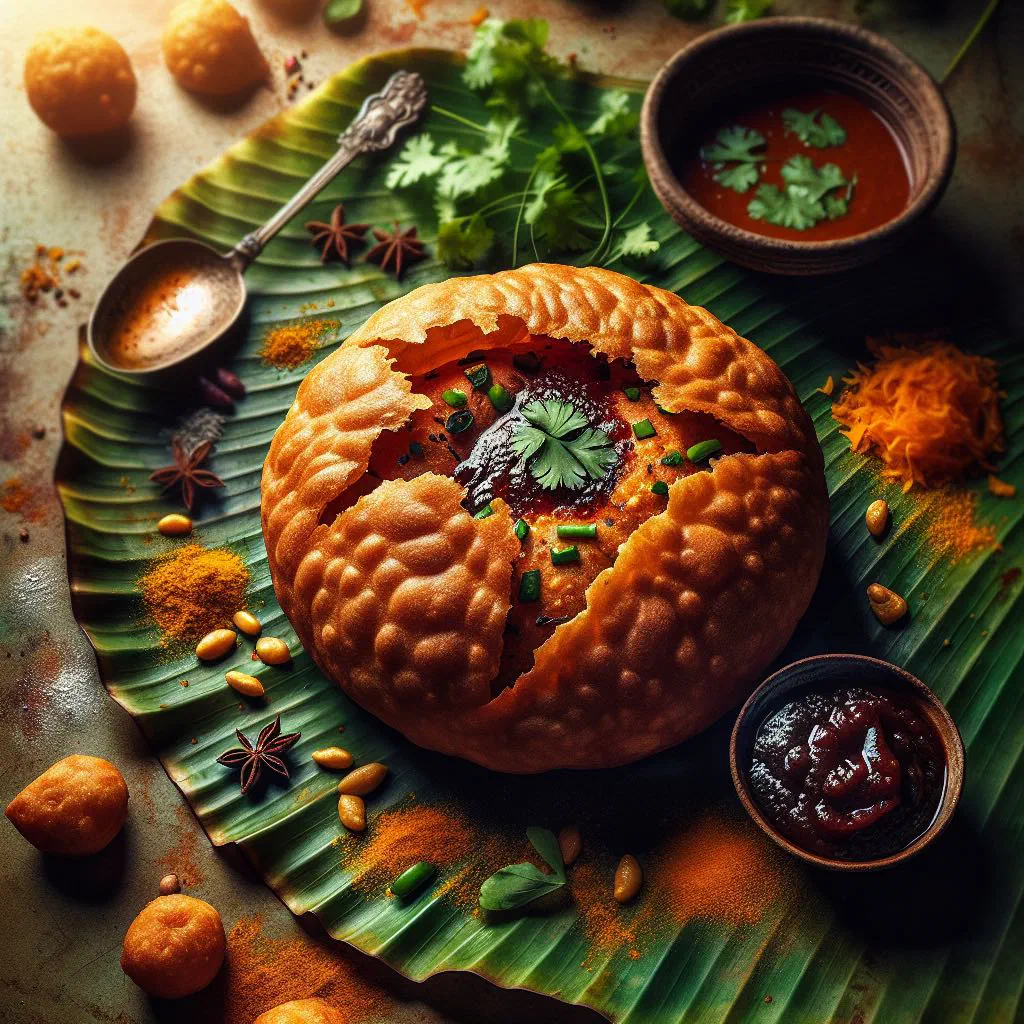
Meet Kachori, one of Kenya’s best-loved street-food snacks. These little golden parcels hide a warmly spiced filling of lentils or split peas inside a crisp, deep-fried shell. Sold from roadside stalls across the country and served at every kind of gathering, they are the sort of snack that disappears from the plate before you have managed a second one. Simple to make and endlessly adaptable, kachori brings a genuine taste of Kenya’s coastal kitchens to your own home.
About Kachori
Kachori is a traditional Kenyan dish enjoyed right across the region. It consists of deep-fried pastry wrapped around an aromatic filling, most often made from lentils or seasoned split peas. These delicious little snacks are a firm favourite on the street, but they also make a wonderful thing to serve when guests come round. In this article you will find everything you need to prepare a truly tasty kachori and to discover just how varied eating in Kenya can be.
Ingredients (serves 1–2)
- 1 cup plain flour
- 2 tablespoons oil (plus more for deep-frying)
- 1/2 teaspoon salt
- Water, as needed, for the dough
- 1 cup yellow split peas (or lentils)
- 1 teaspoon cumin
- 1 teaspoon coriander
- 1/2 teaspoon chilli powder
- Fresh coriander, to garnish
Shopping for the ingredients
To buy the ingredients for kachori, your best bet is an Asian or international grocery shop. That is where you will reliably find the flour, the various spices and the split peas. Many of these items are also stocked by larger supermarkets, though the selection can vary. Do try to buy fresh spices. They make all the difference to the finished flavour of the dish.
Preparing the dish
Getting kachori right calls for a little careful preparation. The split peas or lentils need to be cooked first and then mashed together with the spices to create a well-flavoured filling. Meanwhile, the dough for the casing should be kneaded thoroughly and left to rest, which helps it turn soft and elastic. These steps are what make sure your kachori is a pleasure in both taste and texture.
Step-by-step instructions
- Simmer the lentils or split peas in water until soft, then drain. Mash them and mix with the cumin, coriander and chilli powder.
- In a bowl, combine the flour, salt and 2 tablespoons of oil, then add enough water to bring it together into a smooth dough.
- Cover the dough and leave it to rest for 30 minutes. This improves the texture considerably.
- After 30 minutes, divide the dough into small portions and roll each one out.
- Place a spoonful of the lentil filling in the centre of each disc, fold the edges up over the filling and shape into a ball.
- Deep-fry in hot oil until the kachoris are golden brown, then drain on kitchen paper.
Gluten-free / lactose-free version
For a gluten-free version of kachori, use rice or almond flour in place of wheat flour. These alternatives may need a little adjustment to the amount of water, so keep checking the consistency as you knead. The filling is naturally lactose-free in any case, since it is made almost entirely from plant-based ingredients. That means you keep all the delicious flavour of kachori without having to worry about dietary restrictions.
Tips for vegans and vegetarians
Kachori is naturally a vegan dish, as long as you stick to plant-based ingredients throughout. Check that all your spices and the oil are free from animal products and that nothing has slipped in unnoticed. You can also vary the filling with other vegetables, mashed potato or spinach, for example, to bring in different flavours and nutrients. Experiment with extra spices to add your own personal signature, much as you would with a plate of Bajia.
More tips and tricks
The secret to a crisper kachori lies in heating the oil properly. Temperature plays a decisive role in deep-frying: oil that is too cool leaves the pastries greasy, while oil that is too hot will scorch them. Test with a small piece of dough to find the right temperature before you commit the whole batch. Draining on kitchen paper afterwards also helps to remove excess fat and keeps the kachoris crisp.
Adapting the recipe to your taste
The beauty of kachori lies in its versatility. You can tailor the filling exactly to your liking by adding chopped chilli for extra heat or grated carrot for a touch of sweetness. The spices, too, can be dialled up or down as you prefer. It is also worth offering a selection of sauces or chutneys alongside to broaden the whole experience.
Ingredient substitutions
If certain ingredients are not to hand, or you simply fancy a change, there are plenty of options. Instead of lentils you might use beans or chickpeas, which gives the dish an entirely new twist. The flour can be swapped for a blend of gluten-free flours to achieve a similar texture. Experiment with different herbs and spices to give your kachori a fresh and exciting flavour.
Drink pairing ideas
Any number of drinks go beautifully with kachori. A classic Indian-style chai or a mint tea complements the flavours superbly, the Kenyan version of that spiced brew is worth trying as Chai. A refreshing fruit cordial also does a fine job of balancing the heat. For something a little more unexpected, a French rosé picks up nicely on the spice notes in the filling.
Serving and presentation ideas
Presentation can lift the enjoyment of kachori enormously. Serve the pastries on a large, colourful platter and garnish with fresh coriander. Add a few small bowls of different dips and sauces so guests can season their kachoris to taste. A thoughtful arrangement of fresh vegetables or salad alongside makes for an attractive look and a well-balanced spread on the table.
A bit of history
Kachori has its roots in Indian cuisine, but it made its way to Kenya quickly and has remained a popular dish from the colonial era right through to the present day. This fusion of cultures has produced a distinctive taste that appeals to locals and visitors alike. In Kenya, kachoris are frequently sold from street stalls and are a favourite snack to eat on the move, in much the same way as Viazi Karai. The story of kachori shows how national kitchens weave together to create new and delicious variations, and it is one of the best examples of the layered nature of Kenyan cuisine.
More recipe ideas
Summary: Kachori
Kachori is a versatile and thoroughly tasty dish that deserves a place on your list of things to try. With its crisp shell and fragrant filling, it is a treat for the palate and a piece of culture on your plate. Kachori has every chance of becoming a regular in your kitchen. Give it a go and let the flavours of Kenya work their magic.