National Dish Kenya: Kaimati (Recipe)
In this article
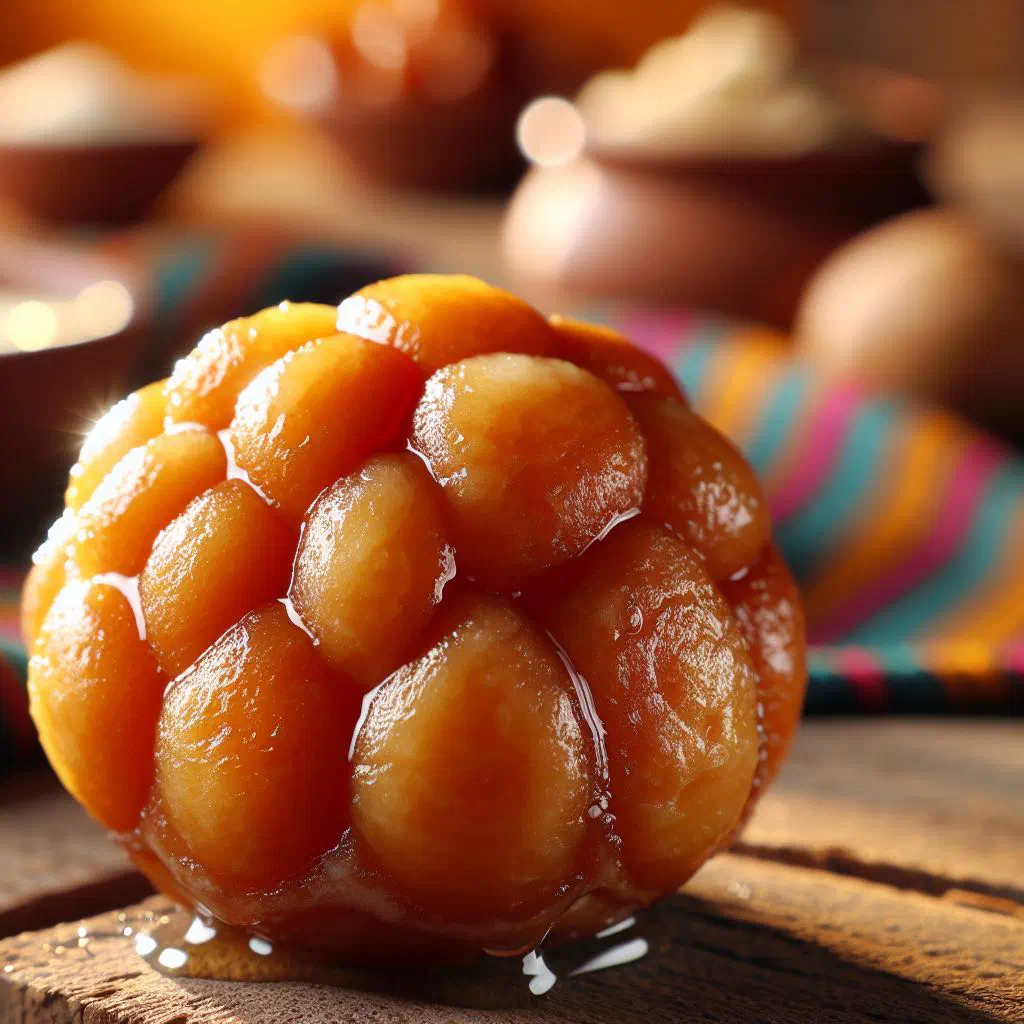
Meet Kaimati, the little golden dough balls that have won hearts along the Kenyan coast and far beyond. Crisp on the outside, soft and airy within, and coated in a glossy sugar syrup that clings to every crevice, they are the kind of sweet that disappears from the plate faster than you can fry the next batch. You will find them heaped on market stalls in Mombasa, handed round at weddings and served during festive evenings, and with a handful of everyday store-cupboard ingredients you can make them at home tonight.
About Kaimati
Kaimati are traditional deep-fried dough balls found right across Kenya, and especially in the Swahili communities of the coast. These crisp little morsels are far more than a sweet treat: they are woven into the fabric of Kenyan celebration, appearing at markets, family gatherings and religious festivals alike. With their honey-sweet glaze and tender centre, they are a genuine feast for the senses, and their popularity sits comfortably alongside other coastal favourites such as Mahamri.
Ingredients (serves 1–2)
- 1 cup plain flour
- 2 tablespoons sugar
- 1 teaspoon baking powder
- 1/2 cup water
- Oil, for deep-frying
- 1/2 cup sugar (for the syrup)
- 1/4 cup water (for the syrup)
- 1/2 teaspoon vanilla extract (optional)
Shopping for the ingredients
The flour and the sugar are what determine the texture and the flavour of the dough balls, so it is worth choosing good-quality basics. Most Asian and African grocers stock everything you need, and a regular supermarket will cover the essentials just as well. Do remember to buy enough oil, deep-frying uses considerably more than you might expect, and running short halfway through is a frustration best avoided.
Preparing the dish
Getting ready to make kaimati is straightforward, but a few careful steps go a long way. Begin by measuring out all your ingredients and setting them within easy reach so the process runs without interruption. Next, heat the oil thoroughly in a deep pan or a fryer, a steady, even temperature is the secret to a good result. This bit of groundwork means you will not find yourself scrambling for a forgotten ingredient with hot oil on the hob.
Step-by-step instructions
- Mix the flour, sugar and baking powder together thoroughly in a bowl.
- Add the water gradually until you have a smooth, soft dough.
- Heat the oil in a pan over a medium heat.
- Shape small balls from the dough and lower them carefully into the hot oil.
- Fry the balls until golden brown, then lift them out with a slotted spoon.
- In a separate pan, combine sugar, water and vanilla extract for the syrup and bring to the boil.
- Dip the fried balls into the syrup until they are completely coated.
- Serve the kaimati warm and enjoy every sticky, delicious mouthful.
Gluten-free / lactose-free version
Making kaimati gluten-free and lactose-free is perfectly achievable. Simply replace the plain flour with a good gluten-free flour blend, ideally one that includes a binding agent so the dough holds its shape in the oil. The remaining ingredients, sugar and water, are naturally lactose-free, so no further changes are needed. With these small adjustments, anyone with a food intolerance can enjoy these delicious dough balls.
Tips for vegans and vegetarians
Kaimati adapt effortlessly for vegan cooks, since the basic recipe contains no animal products at all. Just make sure you fry in a plant-based oil rather than any animal fat, and the sweet is entirely suitable as it stands. The syrup is likewise free of anything animal-derived. All that remains is to check your flour and sugar for hidden animal by-products, a rare issue, but worth a glance at the label.
More tips and tricks
A few extra pointers will make your kaimati session run more smoothly. Keep a kitchen timer to hand so you can track the frying time precisely and avoid the balls turning too dark. You can also make the syrup ahead of time, which speeds things up considerably once the frying begins. Maintaining the correct oil temperature is what guarantees a dough that stays soft inside while turning properly crisp outside, too cool and the balls soak up oil, too hot and they brown before they cook through.
Adapting the recipe to your taste
The kaimati recipe takes happily to personal tweaks. Add different aromatics such as cardamom, cinnamon or nutmeg to build a new depth of flavour, cardamom in particular is the classic coastal choice. You can also fold small pieces of dried fruit or chopped nuts into the dough for extra texture and bite. Experiment freely until you land on your own favourite version of this sweet, much as cooks do with Mandazi Ya Nazi.
Ingredient substitutions
If you are looking for alternatives, there are plenty of options. You could swap the plain flour for almond or coconut flour to arrive at a different flavour profile, though the texture will be denser. For the syrup, coconut sugar or maple syrup work nicely in place of ordinary sugar. These choices offer a slightly different sweetness and a different set of nutrients, which may suit your diet better.
Drink pairing ideas
Kaimati pair beautifully with all manner of drinks. A fresh fruit juice or a naturally sweet herbal tea complements the sugary coating perfectly. A mild coffee or a green tea also harmonises well and offers a pleasant balance against the sweetness. On the Kenyan coast the obvious partner is a cup of spiced Chai. Try a few combinations and settle on the one you like best.
Serving and presentation ideas
To serve kaimati attractively, pile the balls onto a large platter and decorate with fresh mint leaves. A light dusting of icing sugar over the top adds another dimension of appeal. You might also present them in small bowls or paper wrappers for a more festive impression, which works particularly well at parties. Above all, serve the kaimati warm. That is when the flavour and texture are at their finest.
A bit of history
Kaimati have a long tradition in Kenyan cooking and often feature at cultural celebrations and festivals. They arrived with the Swahili trading culture of the Indian Ocean coast, and versions of the same sweet appear from the Gulf to South Asia. Today they are prepared by communities right across the country, and these sugary snacks reflect the creativity and the hospitality that run through Kenyan cuisine. Their appeal has spread well beyond Kenya’s borders, making them a genuine symbol of East African culinary heritage.
More recipe ideas
Summary: Kaimati
Making Kaimati is a delicious way to bring a touch of Kenya into your own kitchen. With simple ingredients and an uncomplicated method, you can have these appealing dough balls on the table in very little time. Their sweet, sticky glaze makes them a genuine treat, while the traditional elements of the recipe carry the culture of the Kenyan coast with them. Give them a go and let the flavours of East Africa win you over.