National Dish Kenya: Kuku Paka (Recipe)
In this article
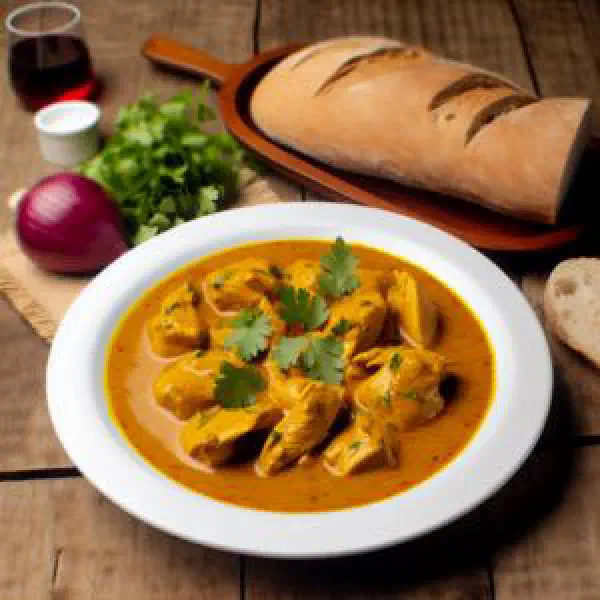
Discover Kuku Paka, the creamy coconut chicken curry that has made its way from the Swahili coast into kitchens across Kenya. Tender pieces of chicken simmer gently in a silky sauce of coconut milk, ginger, garlic and green chillies until every bite is fragrant and comforting. It is a generous, unfussy dish that tastes of sunshine and sea air, and it comes together in a single pan.
About Kuku Paka
Kuku Paka is a wonderful national dish from Kenya that brings together chicken and a creamy curry in perfect harmony. It is made with fresh, aromatic ingredients including coconut milk, warm spices and green chillies. These give the dish its distinctive flavour and its beautifully smooth texture. The variety and the aromas of kuku paka reflect the rich culture and tradition of Kenyan cooking.
Ingredients (serves 1–2)
- 500g chicken breast or chicken thighs
- 400ml coconut milk
- 2 tablespoons curry paste or curry powder
- 1 large onion, diced
- 2–3 green chillies, finely chopped
- 2–3 garlic cloves, chopped
- 1 teaspoon fresh ginger, grated
- Oil, for frying
- Fresh coriander, to garnish
- Salt and pepper to taste
Shopping for the ingredients
To make kuku paka properly it is important to use fresh ingredients. Visit a local market or a well-stocked supermarket to find good-quality chicken and coconut milk. Make sure the spices are fresh, as this makes a considerable difference to the finished flavour. Where possible, choose organic or locally produced ingredients to guarantee the best taste and the highest quality.
Preparing the dish
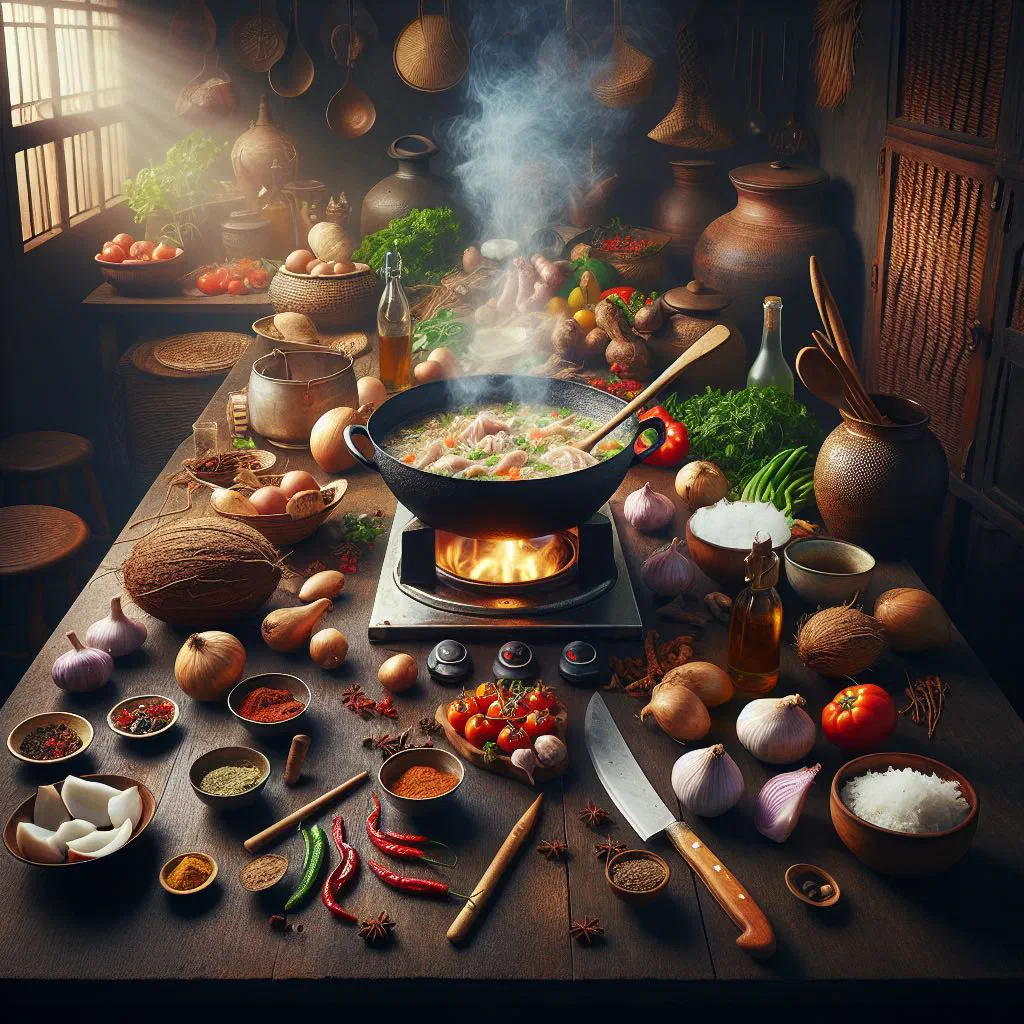
Getting kuku paka ready is straightforward and genuinely enjoyable. Start by laying out and preparing everything you need so the cooking itself runs smoothly. Cut the chicken into evenly sized pieces and chop the vegetables finely. Keep all the spices and aromatics visible and within easy reach, a tidy work surface makes the whole process far more relaxed, much as it does when rolling out Chapati.
Step-by-step instructions
- Heat a little oil in a large pan and add the onion, garlic and ginger. Fry for 2–3 minutes until the onion turns translucent.
- Add the curry paste or powder and stir well so the aromas can open up.
- Put the chicken into the pan and brown it lightly on all sides.
- Pour in the coconut milk and let the dish simmer over a medium heat until the chicken is cooked through.
- Season to taste with salt, pepper and fresh green chillies.
- Serve kuku paka hot, garnished with fresh coriander.
Gluten-free / lactose-free version
Kuku paka is naturally gluten-free and lactose-free, since its main components are chicken and coconut milk. Do take care, however, when choosing spice blends and other prepared ingredients, which may contain traces of gluten or lactose. Look for products clearly labelled gluten-free or lactose-free, and you can be confident the dish is suitable for everyone at the table.
Tips for vegans and vegetarians
An appealing version of kuku paka for vegans and vegetarians uses tofu or vegetables in place of the chicken. Both take beautifully to the same curry base. You might also experiment with plant-based coconut milk and a mix of seasonal vegetables to keep the dish nourishing and full of flavour. The authentic character of the curry stays intact, while everyone gets to enjoy the meal, much like the vegetarian Ndengu Curry.
More tips and tricks
When you cook kuku paka it pays to play with the spices. Try different herbs or regional blends to reflect your own taste. A squeeze of lemon juice just before serving lifts the whole dish and adds welcome freshness. Remember, too, that the curry often tastes even better after a few hours, or overnight, in the fridge, giving the flavours time to settle and deepen.
Adapting the recipe to your taste
Kuku paka is highly adaptable and easy to tune to personal preference. If you like more heat, add extra green chillies or reach for a hotter curry paste. For a richer result, increase the quantity of coconut milk. Vegetables such as peas or carrots also make a lovely addition. Let your creativity run and adjust the recipe to suit your family and friends.
Ingredient substitutions
If you do not have every ingredient to hand, there are plenty of alternatives. Instead of chicken you might use beef or lamb, as in a hearty Ndizi Na Nyama. If coconut milk is not to your liking, try soya or almond milk. For the spicing, a ready-made curry blend already contains all the aromas you need. Swaps like these keep the dish every bit as tasty.
Drink pairing ideas
To accompany kuku paka, soft drinks such as freshly squeezed lemon juice or fruit-based cocktails are excellent choices. For those who prefer something alcoholic, light white wines and fruity beers sit very well with the flavours of the curry. Traditional Kenyan Chai also makes a fine partner, complementing the dish nicely and adding a touch of local culture.
Serving and presentation ideas
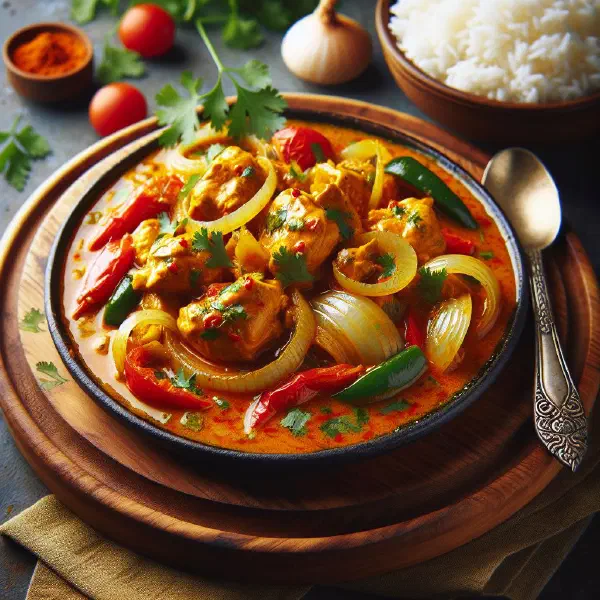
Presentation can make all the difference in how inviting kuku paka looks. Serve it in colourful bowls or on plates that pick up the warm tones of the sauce. A few fresh coriander leaves as a garnish add welcome contrast. Do not forget to offer rice or chapati alongside, so the meal feels complete and the whole table has something to reach for.
A bit of history
Kuku paka is not merely a dish but part of the cultural identity of Kenya. It reflects the influence of the many ethnic groups and traditions that have shaped the country’s cooking over the years. It is often served at festivals and special occasions, bringing people together around one pot. Its use of coconut milk and warm spices also shows the mark that centuries of coastal trade have left on Kenyan cuisine.
More recipe ideas
Summary: Kuku Paka
Kuku paka is a wonderfully flavourful dish that gathers up the aromas and traditions of Kenya in a single pan. With fresh ingredients, a rich curry sauce and tender chicken, it offers a taste experience that will please seasoned food lovers and newcomers to Kenyan cooking alike. Give it a go and enjoy the warm hospitality and deep-rooted traditions this dish embodies. Let the variety of flavours and the cultural influences behind it make kuku paka a meal you will remember.