National Dish Kenya: Makande (Recipe)
In this article
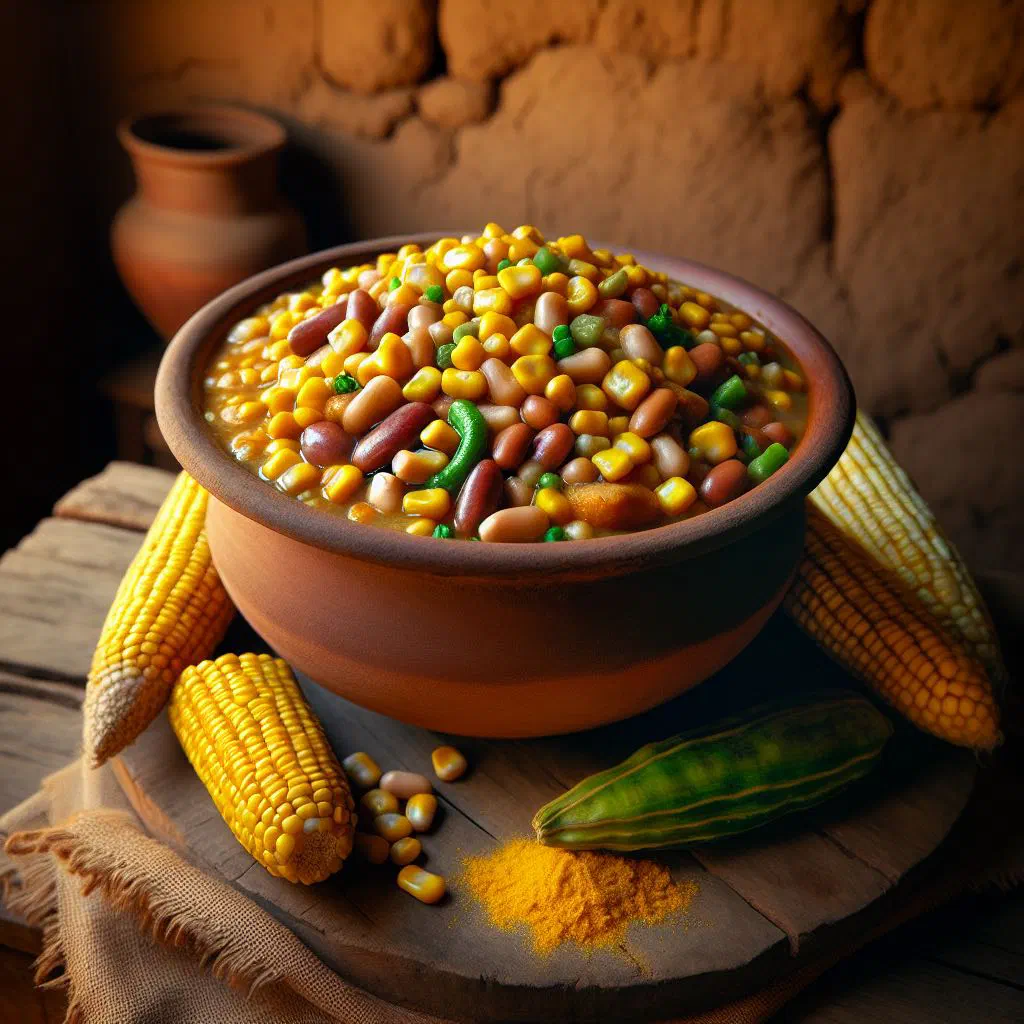
Discover Makande, one of Kenya’s most comforting everyday dishes. This warming pot of tender beans and sweet maize is simmered gently with onion, garlic and fragrant spices until every mouthful tastes of home. It is nourishing, generous and endlessly forgiving, the sort of meal that stretches to feed whoever turns up at the table. Bring a taste of East African hospitality straight into your own kitchen.
About Makande
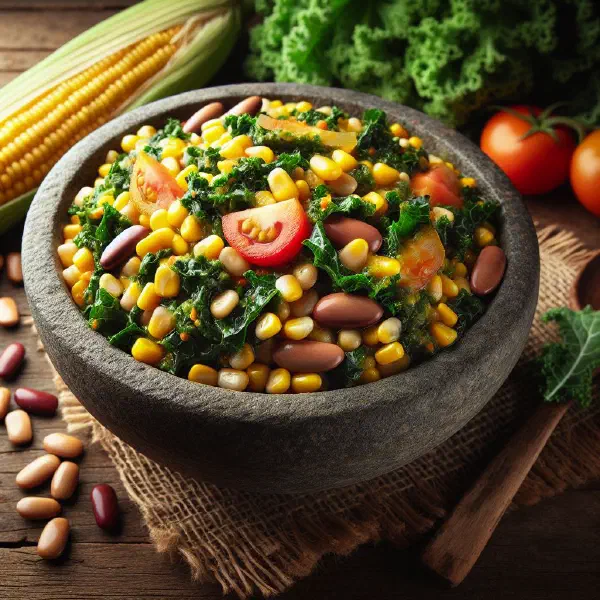
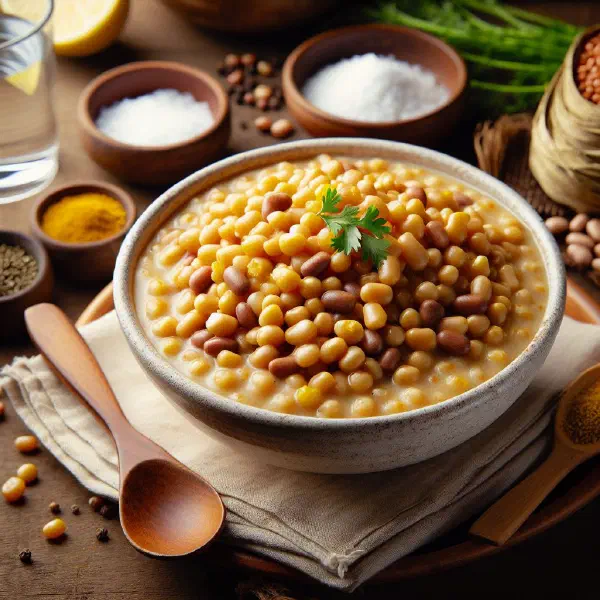
Makande is a traditional Kenyan dish prized above all for its pairing of beans and maize. It is delicious and genuinely nourishing, being rich in protein and fibre. The dish is usually lifted with a handful of spices that give it a gentle, warming kick. In Kenya, makande is valued as the backbone of sociable family meals and festive gatherings alike, much like its close cousin Githeri.
Ingredients (serves 1–2)
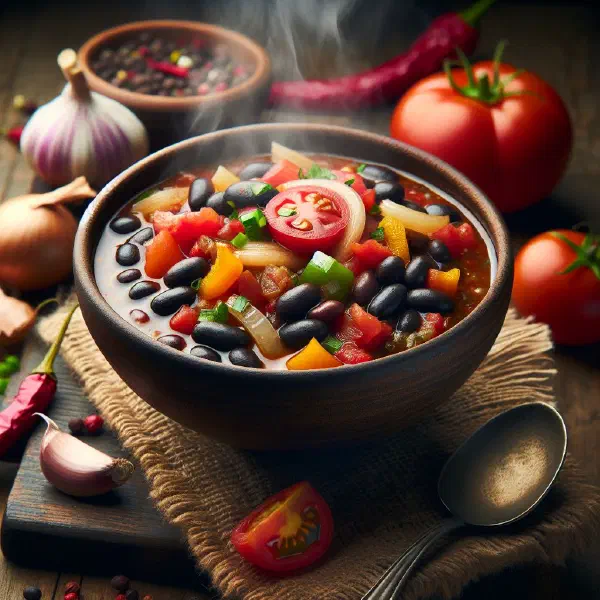
- 1 cup dried beans (kidney beans or black beans, for example)
- 1 cup maize kernels (fresh or frozen)
- 2 cups water or vegetable stock
- 1 onion, diced
- 2 cloves of garlic, chopped
- 1 teaspoon cumin
- Salt and pepper, to taste
- Fresh herbs, to garnish (optional)
Shopping for the ingredients
To make a really good makande, pick up your ingredients at a supermarket or local market. Fresh beans and maize are best, but dried beans are an excellent choice too and are often easier to find. Where possible, go for organic produce to get the fullest flavour and the most nutrients. If you are unsure which varieties of bean or maize to choose, do not hesitate to ask the shop staff for advice.
Preparing the dish
Before you start cooking makande, it is important to soak the beans in water for at least 8 hours. This step shortens the cooking time and helps the beans soften evenly. The maize can be used fresh or frozen; frozen kernels need no preparation at all. Chop the onion and garlic finely so they blend properly with the other ingredients as the pot simmers.
Step-by-step instructions
- Drain the soaked beans and tip them into a pan.
- Add the water or vegetable stock and bring to the boil.
- Reduce the heat and simmer the beans for about 1–1.5 hours, until tender.
- In a separate frying pan, sauté the onion and garlic in a little oil until golden brown.
- Add the cooked maize, cumin, salt and pepper to the beans and stir everything together well.
- Continue cooking for around 10 minutes so the flavours can come together.
- Garnish with fresh herbs if you like, and serve.
Gluten-free / lactose-free version
Makande is naturally gluten-free, as it contains no gluten-bearing ingredients. If you want to rule out any cross-contamination, simply check that everything you use is labelled gluten-free. It also suits anyone who is lactose intolerant, since there are no dairy products involved. That makes it a perfect choice for cooks catering to particular dietary needs.
Tips for vegans and vegetarians
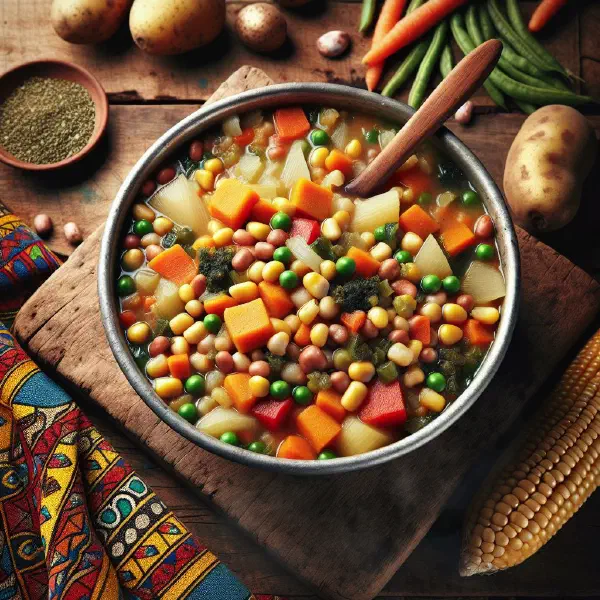
Makande is a fantastic dish for vegans and vegetarians, built as it is entirely on plant-based ingredients. To make it even more nourishing, add extra vegetables such as carrots or peppers. This brings not only more colour to the plate but a wider range of vitamins too. Always reach for fresh, seasonal produce to get the best possible flavour.
More tips and tricks
To deepen the aroma of makande, try playing with different spices and herbs. Paprika, chilli or thyme all make delicious additions. You can also toast the beans beforehand for a distinctive, nutty flavour. Keep tasting as you add ingredients so you land on exactly the right balance, the same patient approach that pays off with a slow-cooked Maharagwe.
Adapting the recipe to your taste
The beauty of makande is how easily it bends to different tastes. If you like heat, add more chilli; for a milder version, simply pull back on the spices. Extra ingredients such as avocado or coriander can enrich the dish and give it your personal stamp. Experiment with different combinations until you find your perfect version.
Ingredient substitutions
If you have no beans to hand, lentils work well too. They are similarly nutritious and cook far more quickly. In place of the maize, try quinoa as a gluten-free alternative that lends the dish an interesting texture. Swaps like these also open the door to unexpected flavours.
Drink pairing ideas
Makande goes beautifully with East African drinks such as hibiscus tea or freshly pressed fruit juices, or a mug of spiced Chai Ya Tangawizi. These complement the hearty flavour of the dish and add a refreshing note. If you would rather keep things alcohol-free, a sparkling lemonade or still water with lemon is a good choice. For a festive mood, a light fruity beer or a rosé makes a lovely addition.
Serving and presentation ideas
To present makande attractively, think about colour and texture. Use a large bowl and garnish with fresh herbs or a wedge of lime. Serve it with crusty bread or rice alongside, Chapati is a classic partner, to create a pleasing balance on the plate. Small bowls of accompaniments such as avocado or salsa let your guests season the dish exactly to their liking.
A bit of history
Makande has its roots in Kenyan cooking and is a symbol of warm hospitality. Historically the dish was a way of encouraging sustainability, relying on local ingredients that are simple to grow. In many Kenyan households it is cooked regularly, especially at celebrations, and it signals togetherness within the community. It reflects the cultural identity and culinary heritage of Kenyan cuisine and is passed down from one generation to the next.
More recipe ideas
Summary: Makande
Makande is more than just a dish; it is a symbol of community, offering an ideal balance of flavour and nourishment. Its straightforward preparation and easy adaptability have made it a favourite in countless kitchens. Whether at a relaxed supper with family and friends or as part of a festive buffet, the versatility of makande never fails to please. Let its wonderful flavour win you over and enjoy an authentic taste of Kenyan cooking.