National Dish Kenya: Matoke Stew (Recipe)
In this article
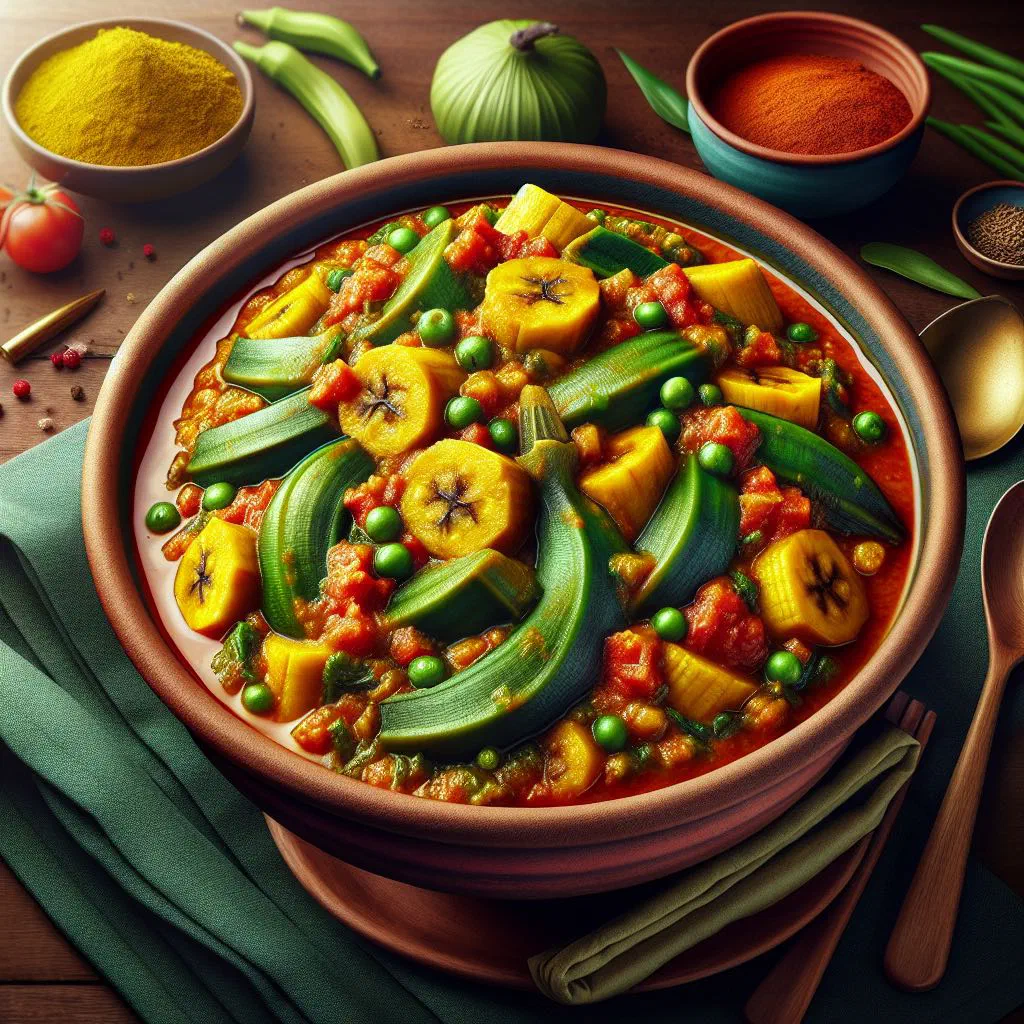
Discover Matoke Stew, one of Kenya’s most comforting everyday dishes. Green bananas simmer gently with tomatoes, peppers and warm spices until they turn meltingly tender and soak up every bit of the fragrant sauce. It is simple, wholesome cooking that needs no special equipment and very little fuss, and it brings the authentic flavour of the East African kitchen straight to your table.
About Matoke Stew
Matoke stew is a traditional Kenyan dish built around green bananas. These starchy bananas are a cornerstone of African cooking and an excellent source of fibre, vitamins and minerals. Combined with aromatic spices and fresh vegetables, they turn into a dish with a flavour that invites curiosity from the first spoonful. Matoke stew is wonderfully versatile: it works just as well as a main course as it does as a side, which makes it equally at home on a busy weeknight or at a special gathering.
Ingredients (serves 1–2)
- 4–6 green bananas
- 1 onion, diced
- 2 tomatoes, diced
- 1 pepper, diced
- 2 cloves of garlic, chopped
- 1 teaspoon ginger, grated
- 2 tablespoons oil (olive or coconut, for example)
- 1 teaspoon cumin
- Salt and pepper to taste
- Water as needed
Shopping for the ingredients
For a good matoke stew you want fresh, good-quality ingredients. The green bananas matter most, and they are usually found in African or Asian grocery shops. Make sure they are still firm and unripe, under-ripe bananas give a far better texture and flavour than ripe ones, which turn sweet and mushy. The remaining ingredients are available in most supermarkets, though fresh vegetables will always reward you with a better result than tinned ones.
Preparing the dish
Before you start cooking matoke stew, take a few minutes to prepare everything properly. Begin by peeling the green bananas and cutting them into thick slices; peeling them first is important so they cook through evenly in the pot. Then wash and chop the vegetables into small, even pieces so they soften at roughly the same rate.
Step-by-step instructions
- Heat the oil in a large pot over medium heat.
- Add the diced onion and chopped garlic and fry until soft.
- Stir in the diced tomatoes and pepper and cook for a further 5 minutes.
- Add the sliced bananas, ginger and cumin, and mix everything together well.
- Pour in enough water to just cover the vegetables and bring the mixture to the boil.
- Reduce the heat and let the stew simmer for 20–30 minutes, until the bananas are tender.
- Season with salt and pepper and serve warm.
Gluten-free / lactose-free version
Matoke stew is naturally gluten-free and lactose-free, which makes it an excellent choice for anyone with intolerances. The main ingredient, green bananas, along with the fresh vegetables and spices, contain no gluten or dairy whatsoever. Do check your spice blends and oils for hidden sources of gluten, as pre-mixed seasonings occasionally contain wheat-based fillers. With that small precaution, the dish is suitable for every guest at the table.
Tips for vegans and vegetarians
Matoke stew is entirely plant-based, so it is ideal for vegans and vegetarians as written. To make it heartier still, add pulses such as chickpeas or beans, which bring a welcome dose of protein, much as they do in a bowl of Maharagwe. Experiment with different vegetables to discover new flavours and textures. Lentils are another fine addition and sit beautifully alongside the warm, earthy notes of the stew.
More tips and tricks
To make matoke stew even tastier, stir in fresh herbs such as coriander or parsley shortly before the cooking time is up. They add both flavour and a burst of freshness that lifts the whole pot. A squeeze of lemon juice at the end works in much the same way, sharpening the aromas nicely. Finally, it is well worth playing with the spices until the balance matches your own taste.
Adapting the recipe to your taste
Matoke stew is extremely flexible and easy to adjust to personal preference. If you like heat, add some chilli or a hotter spice blend. You can also swap in whatever vegetables are in season and readily available. The dish is also a brilliant way to use up leftovers. Simply fold in any vegetables that need eating, much as cooks do with a pot of Githeri.
Ingredient substitutions
If you cannot track down green bananas, or simply fancy something different, consider using potatoes or maize instead. Both bring their own flavour and texture while still producing an equally delicious result. Adjust the cooking time accordingly, since different ingredients need different lengths of time to soften, potatoes, for example, cook faster than firm green bananas. It is a great way to vary the dish to suit whatever is in the cupboard.
Drink pairing ideas
African drinks make natural partners for matoke stew and underline its flavours nicely. A chilled ginger beer is a refreshing choice that complements the warmth of the cumin and fresh ginger particularly well. Fresh fruit juices such as mango or pineapple are another good option, adding a bright, fruity note. Alternatively, a cup of spiced Chai Ya Tangawizi rounds off the meal in thoroughly authentic style.
Serving and presentation ideas
Present matoke stew attractively and you will have your guests reaching for their spoons before you have finished serving. Deep, colourful bowls do justice to the bright greens, reds and yellows of the vegetables and bananas. A scattering of fresh herbs over the top lifts the look further. Offer a side or two as well, a light salad such as Kachumbari or a bowl of rice, to turn it into a complete meal.
A bit of history
Matoke stew has its roots deep in the Kenyan kitchen and counts among the oldest dishes of the region. It reflects both the farming practices and the culinary traditions of Kenya’s many ethnic groups. Traditionally it was prepared by the Bantu peoples, long known for cultivating bananas across the fertile highlands. The dish is not merely a staple food; it plays a real part in community life, since it is so often served at feasts and gatherings, one of the warmest expressions of Kenyan cuisine.
More recipe ideas
Summary: Matoke Stew
Matoke stew is more than just a dish; it is a window onto Kenyan culture and its culinary traditions. The combination of wholesome ingredients, fragrant spices and the freedom to adapt it to your own preferences makes it an ideal choice for any occasion. It brings the authentic taste of Africa straight to your table. Give matoke stew a try and enjoy the variety and the flavours it has to offer.