National Dish Kenya: Mbaazi (Recipe)
In this article
Discover Mbaazi, a warming Kenyan classic built on split peas simmered gently in coconut milk. Fragrant with garlic, ginger and cumin, it is the kind of dish that fills a kitchen with the aromas of the Swahili coast long before it reaches the table. Nourishing, naturally plant-based and easy on the budget, mbaazi is served at family gatherings and celebrations alike, and it is far simpler to make at home than its rich flavour suggests.
About Mbaazi
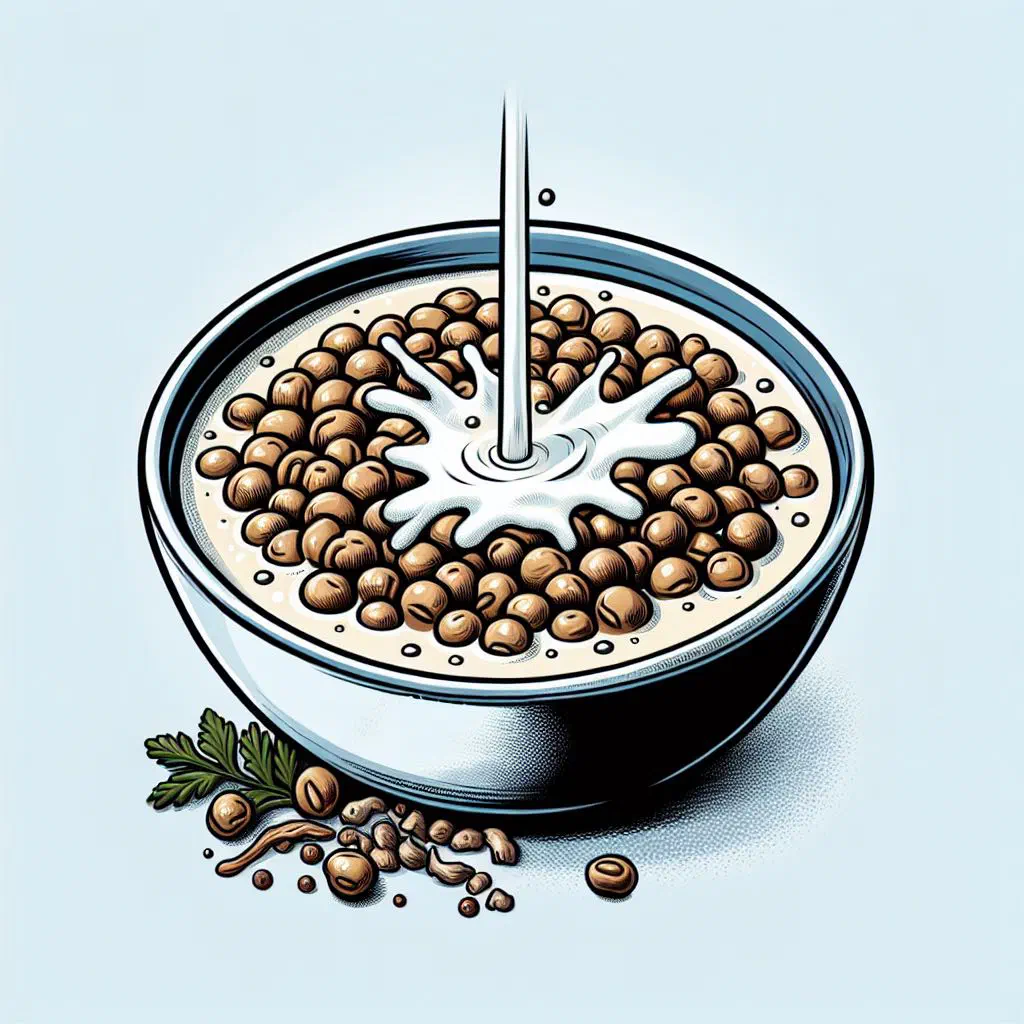
Mbaazi is a delicious and aromatic dish from Kenya made with split peas. These small, nourishing pulses are high in fibre and an excellent source of plant protein. Mbaazi is most often finished with coconut milk and a generous handful of spices, which gives it a creamy body and a distinctive, gently sweet warmth. This dish is straightforward to prepare and brings a genuine piece of Kenyan culture to your table.
Ingredients (serves 1–2)
- 200 g split peas
- 200 ml coconut milk
- 1 onion, finely chopped
- 2 cloves of garlic, crushed
- 1 teaspoon fresh ginger, grated
- 1 teaspoon ground cumin
- Salt and pepper, to taste
- A squeeze of lime juice
- Fresh coriander, to garnish
Shopping for the ingredients
Split peas are stocked by most supermarkets and are usually cheaper still at a market stall or an African or Asian grocery. Choose an organic coconut milk if you can, the fat content is generally higher and the aroma noticeably fuller. Fresh spices and herbs make all the difference here, so buy fresh coriander and a knob of proper root ginger rather than reaching for the dried versions.
Preparing the dish
Preparation for mbaazi comes down to rinsing the peas thoroughly and getting the aromatics ready. If you are working with dried peas, remember to soak them beforehand to shorten the cooking time considerably. Chop the onion and garlic very finely, as this helps the flavours spread evenly through the sauce rather than sitting in pockets. A little organisation at this stage keeps the cooking itself relaxed and gives you the best possible result.
Step-by-step instructions
- Bring the split peas to the boil in a pan of water and simmer for 20–30 minutes, until soft.
- While the peas cook, fry the onion, garlic and ginger in a little oil until golden brown.
- Add the cumin and toast the spices briefly to release their aroma.
- Drain the cooked peas and add them to the onion mixture in the pan.
- Pour in the coconut milk and stir everything together well.
- Season with salt, pepper and a squeeze of lime juice.
- Let the dish bubble gently until the sauce has thickened slightly.
- Garnish with fresh coriander just before serving.
Gluten-free / lactose-free version
Mbaazi is naturally gluten-free and lactose-free, which makes it an easy choice for anyone with food intolerances. Using coconut milk in place of dairy keeps the sauce rich and creamy without any animal products at all. The split peas themselves form a substantial base that can stand in for the rice or pasta you might otherwise serve alongside. Everyone at the table can tuck in without a second thought, much like a bowl of Maharagwe.
Tips for vegans and vegetarians
Mbaazi is a superb dish for vegans and vegetarians, since it contains no animal products whatsoever. Carrots or peppers stirred into the mix add colour and useful nutrients, while the healthy fats in the coconut milk help your body absorb the fat-soluble vitamins found in many plant foods.
More tips and tricks
A few small habits make this dish noticeably better. Soak the peas overnight to cut the cooking time and soften them evenly. Experiment with spices such as turmeric or garam masala to give your version of mbaazi an extra dimension. A pinch of chilli flakes brings a pleasant heat that lifts the whole pot. And do not skip the fresh coriander scattered over at the end. That final hit of freshness is what ties everything together.
Adapting the recipe to your taste
Tastes vary, and mbaazi takes kindly to being adjusted. If you prefer things mild, hold back on the spices and lean on gentler flavours such as courgette or carrot. For a deeper, more savoury result, cook everything in a mixture of vegetable stock and coconut milk rather than plain water. Let yourself play with the quantities until the balance is exactly how you like it, the recipe is forgiving, and it rewards a bit of curiosity.
Ingredient substitutions
If you do not have everything to hand, there are easy swaps. Oat or almond milk can replace the coconut milk, though the flavour will be lighter and less sweet. Other pulses work well as the base too, lentils in particular give a similar texture, as they do in a bowl of Ndengu Curry. And if coriander is not to your liking, parsley makes a fine stand-in without losing the colour or the nutritional value.
Drink pairing ideas
Several drinks flatter mbaazi nicely. A chilled mango juice or a refreshing iced tea with lemon sits beautifully against the coconut and spice. For something warmer and more traditional, a cup of spiced Chai Ya Tangawizi is hard to beat. If the occasion calls for something festive, a light wheat beer or a glass of white sangria both refresh the palate between mouthfuls.
Serving and presentation ideas
Presentation is part of the pleasure. Serve mbaazi in a wide, shallow bowl so the warm colours of the sauce are on show. A scattering of fresh coriander and a final squeeze of lime just before it goes to the table makes it look as inviting as it tastes. Soft Chapati on the side is the classic accompaniment, and a table laid with Kenyan-inspired crockery rounds out the whole experience.
A bit of history
Mbaazi has its roots along the Kenyan coast, where centuries of trade brought Indian, Arab and Swahili influences together in one pot. The dish is often served at special occasions and is very much food for sharing, passed around among friends and family. The pairing of pulses with coconut milk runs through a great deal of traditional Kenyan cuisine, because these ingredients are both nourishing and full of flavour. Mbaazi stands for more than a meal, then; it stands for hospitality and cultural tradition.
More recipe ideas
Summary: Mbaazi
Mbaazi is not simply a dish; it is a way into Kenyan culture and the cooking of the Swahili coast. With its combination of split peas, coconut milk and warm spices, it brings a touch of the exotic to an ordinary kitchen without demanding anything exotic of the cook. It is versatile, filling and endlessly adaptable. Let the aromas draw you in and give it a go.