National Dish Kenya: Mchuzi wa Samaki (Recipe)
In this article
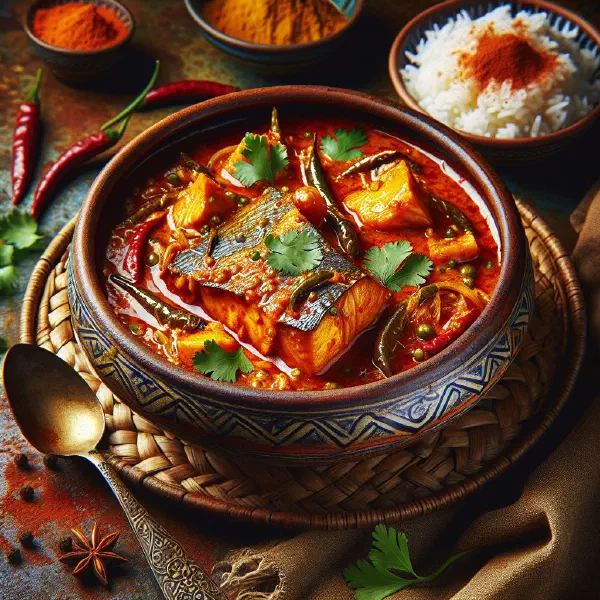
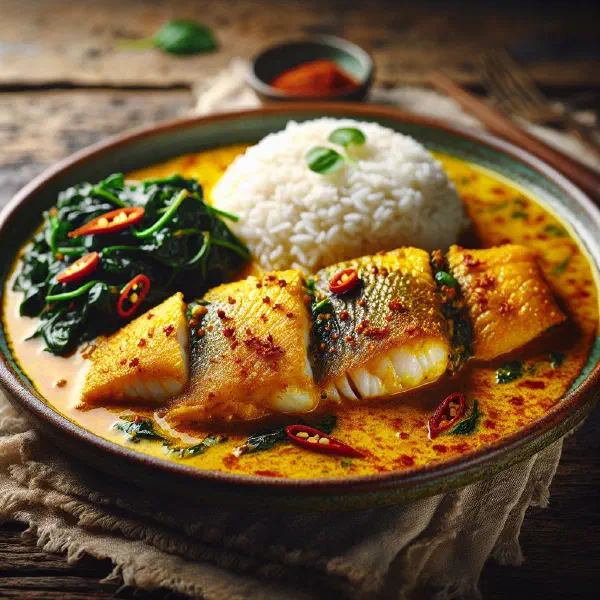
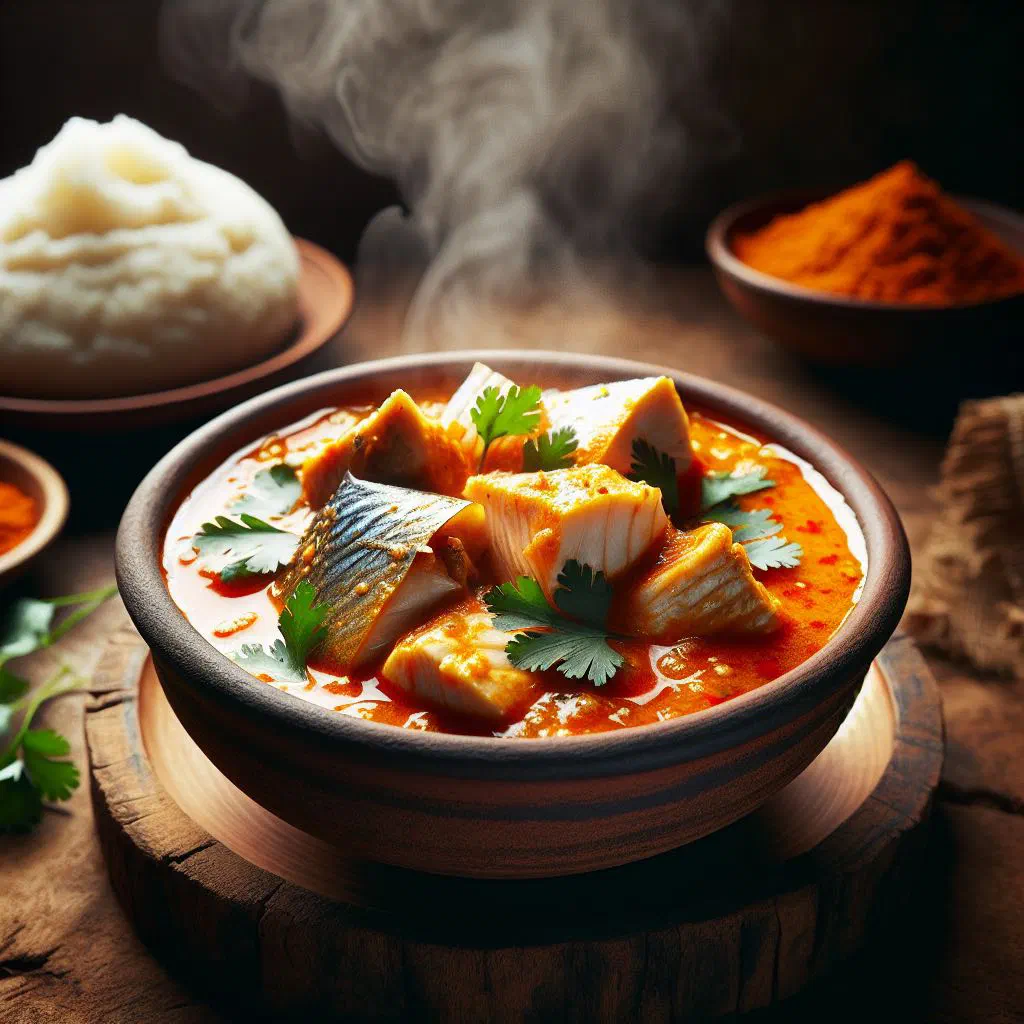
Meet Mchuzi wa Samaki, the fragrant fish curry that has made its way from Kenya’s Swahili coast onto tables all over the country. Tender pieces of fish simmer gently in a sauce of ripe tomatoes, warm spices and creamy coconut milk, producing something rich yet surprisingly light. It comes together in well under half an hour, and served with rice or a slab of ugali it turns an ordinary evening into a small coastal escape.
About Mchuzi wa Samaki
Mchuzi wa Samaki is a traditional Kenyan fish curry that wins people over with the balance it strikes between fresh fish, warm, savoury spices and the mellow sweetness of coconut milk. The dish is a neat reflection of Kenya’s cultural diversity, drawing on ingredients and techniques that have travelled the Indian Ocean for centuries. It is straightforward to cook yet full of character, thanks to a handful of African spices and genuinely fresh produce. Served with rice or ugali, it suits every occasion, from a quiet supper to a family gathering.
Ingredients (serves 1–2)
- 300 g fresh fish (tilapia or sea bream, for example)
- 1 tin coconut milk (400 ml)
- 2 large tomatoes, diced
- 1 onion, finely chopped
- 2 cloves of garlic, chopped
- 1 piece of fresh ginger, grated
- 2 tablespoons oil (coconut or vegetable)
- 1 teaspoon cumin
- 1 teaspoon ground coriander
- Salt and pepper to taste
Shopping for the ingredients
To cook an authentic Mchuzi wa Samaki, it pays to seek out the freshest ingredients you can find. A local market or a proper fishmonger will give you far better fish than a pre-packed supermarket fillet. Regional markets are also a good hunting ground for the spices this recipe calls for, often sold loose and far more aromatic than jarred versions. Above all, choose a good-quality coconut milk with a high coconut content. It carries the whole sauce.
Preparing the dish
Preparation is the key to a successful Mchuzi wa Samaki. Begin with the fish: rinse it thoroughly and cut it into pieces that will sit comfortably in the sauce without falling apart. Dice the tomatoes, chop the onions, and prepare the garlic and ginger so they are ready to go into the pan. Having everything cut to a similar size means the ingredients cook evenly and the flavours have a chance to merge properly. A few minutes of careful groundwork makes the cooking itself almost effortless.
Step-by-step instructions
- Heat the oil in a deep pan and add the chopped onion. Cook gently until translucent.
- Add the garlic and ginger and fry for one to two minutes, until fragrant.
- Tip in the diced tomatoes and let everything simmer for about 5 minutes.
- Scatter in the spices (cumin and ground coriander) and stir well to combine.
- Add the fish and pour over the coconut milk. Simmer for 10 to 15 minutes, until the fish is just cooked through.
Gluten-free / lactose-free version
Mchuzi wa Samaki is naturally gluten-free and lactose-free, which makes it an easy choice for anyone cooking around intolerances. Do check that none of your ingredients, particularly ready-mixed spice blends and tinned coconut milk, carry hidden gluten or dairy derivatives. Sticking to fresh produce and avoiding heavily processed products keeps the dish completely allergen-friendly.
Tips for vegans and vegetarians
For a vegan or vegetarian version of Mchuzi wa Samaki, replace the fish with tofu or a generous mix of vegetables. Firm tofu soaks up the coconut and spice beautifully and provides plenty of protein. Add colourful vegetables such as peppers, carrots or green beans for extra texture and sweetness, much the same approach that gives Coconut Beans its appeal. The result is just as satisfying and no more work to prepare.
More tips and tricks
A few small refinements will make your Mchuzi wa Samaki even better. Fresh herbs such as coriander or a little mint scattered over at the end give the dish a bright lift. A squeeze of lemon juice just before serving adds the touch of acidity that sharpens up the coconut and makes the spices sing. Play with the spice quantities on your first few attempts until you find the balance that suits you, and add the fish late so it stays tender rather than breaking up.
Adapting the recipe to your taste
One of the great strengths of Mchuzi wa Samaki is how easily it adapts to personal preference. Vary the spices to make it milder or hotter; a chopped chilli fried with the onions is the simplest route to more heat. The fish can change too, depending on what looks good at the counter, whether that is tilapia, snapper or a firm white fillet. Stay curious and the dish will keep rewarding you with something slightly different each time.
Ingredient substitutions
If certain ingredients are hard to find, or simply not to your liking, there are plenty of alternatives. Tinned fish can stand in for fresh without changing the character of the sauce dramatically, which makes this a useful store-cupboard supper. In place of coconut milk you could try plant-based options such as almond or oat milk, though the sauce will be thinner and less sweet. The same coconut-and-spice base also underpins Kuku Paka, so a chicken swap works well too.
Drink pairing ideas
Mchuzi wa Samaki goes best with light, refreshing drinks. A fresh fruit juice, pineapple or mango in particular, makes a lovely match for the coconut in the sauce. A cold pale lager is the other obvious choice, cutting through the richness without competing with the spices. Spiced tea also works surprisingly well after the meal, as anyone who has tried Chai Ya Tangawizi will confirm.
Serving and presentation ideas
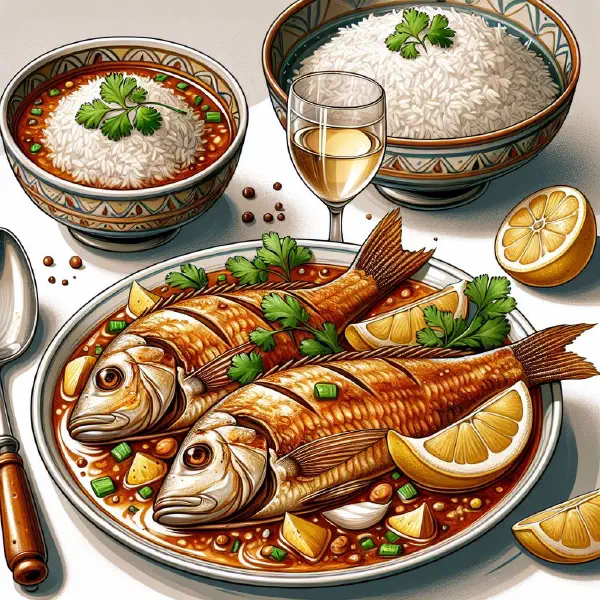
Presentation matters with a dish like Mchuzi wa Samaki, and a little effort goes a long way. Serve the curry in colourful bowls and finish with fresh herbs and a wedge of lime. A side of rice or Ugali plus some grilled vegetables creates an attractive arrangement on the plate, and a sharp tomato-and-onion salad such as Kachumbari adds welcome crunch. These small touches turn a good meal into a memorable one.
A bit of history
Mchuzi wa Samaki has a fascinating history rooted in the meeting of cultures along the Kenyan coast. The dish reflects the influence of Arab, Indian and African cooking traditions, which have mingled on the Swahili shoreline for centuries, the same lineage that produced the country’s biryanis and spiced breads. Fishing has been a way of life in the coastal regions for generations, and this curry shows how that daily catch was transformed into something celebratory. It was long a dish for festivals and special occasions, which explains its standing in Kenyan cuisine.
More recipe ideas
Summary: Mchuzi wa Samaki
Mchuzi wa Samaki is a genuinely delicious showcase for the varied, aromatic cooking of Kenya. Fresh fish, fragrant spices and the creamy body of coconut milk come together in a curry that is simple to make and suited to almost any occasion. It delivers a memorable plate of food. Enjoy the flavours of the Kenyan coast and let this classic take you somewhere new.