National Dish Kenya: Mshikaki (Recipe)
In this article
Discover Mshikaki, one of Kenya’s best-loved street foods. These juicy grilled meat skewers are marinated in a fragrant blend of onion, garlic, ginger and warm spices, then cooked over open flames until smoky and tender. Sold from roadside grills along the coast and inland alike, they are as good at a garden barbecue as they are as a quick snack. Bring the sizzle of a Kenyan street stall straight to your own kitchen.
About Mshikaki
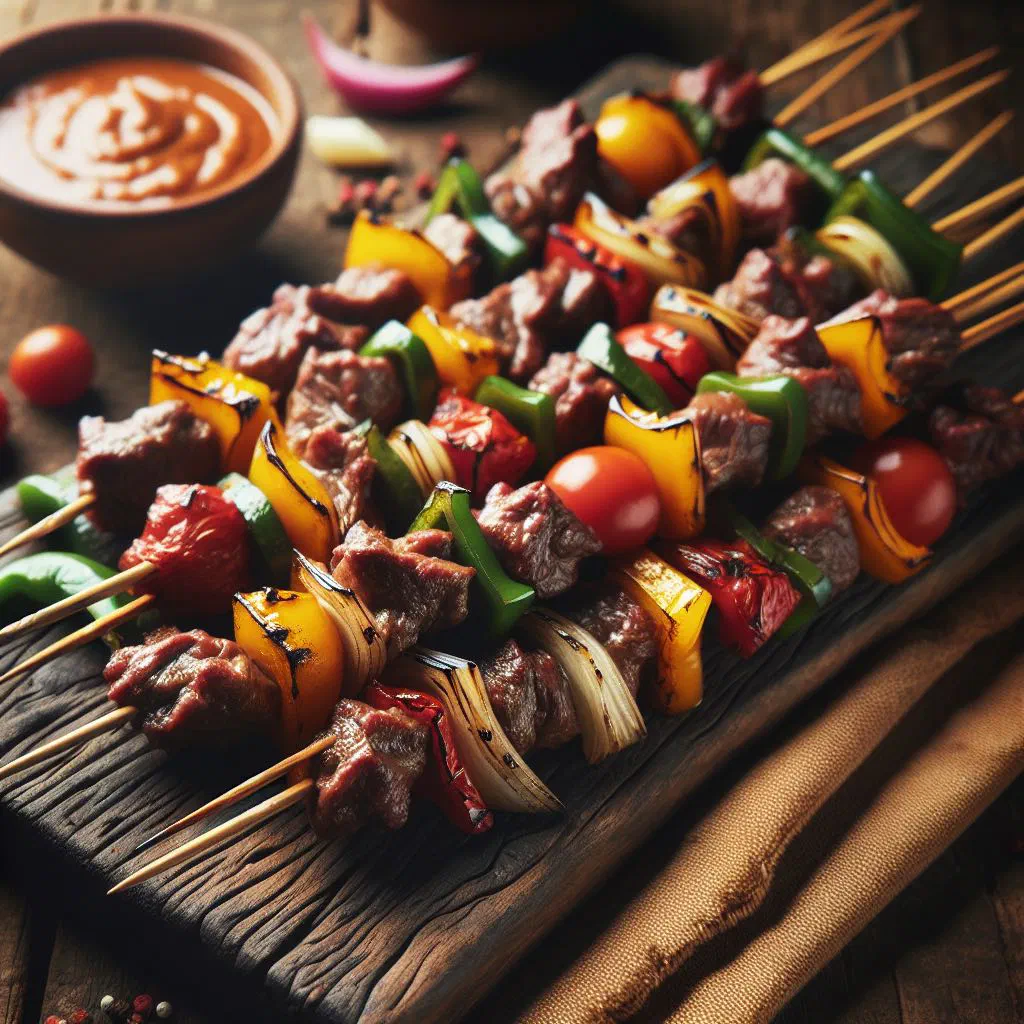
Mshikaki is a traditional Kenyan dish best known as a much-loved street food. These juicy grilled skewers are a genuine delicacy, drawing together some of the finest flavours in the country’s cooking. Marinated cubes of meat are threaded onto skewers and cooked over an open fire or on the barbecue, which gives them their unmistakable smoky character. Mshikaki is a treat for the palate and a small symphony of cultures, audible in every single bite.
Ingredients (serves 1–2)
- 500 g beef or chicken
- 2 tablespoons vegetable oil
- 1 onion, chopped
- 2 cloves of garlic, crushed
- 1 teaspoon grated ginger
- 1 teaspoon paprika
- 1 teaspoon cumin
- Salt and pepper to taste
- Wooden skewers (soaked in water)
Shopping for the ingredients
When shopping for mshikaki it is important to pay attention to the quality of the meat. Fresh meat not only tastes better, it also gives you a far more tender result. You will find everything you need in most supermarkets or at a good butcher. If you shop at an African grocery, you may also have access to special spice blends that make the dish even more authentic.
Preparing the dish
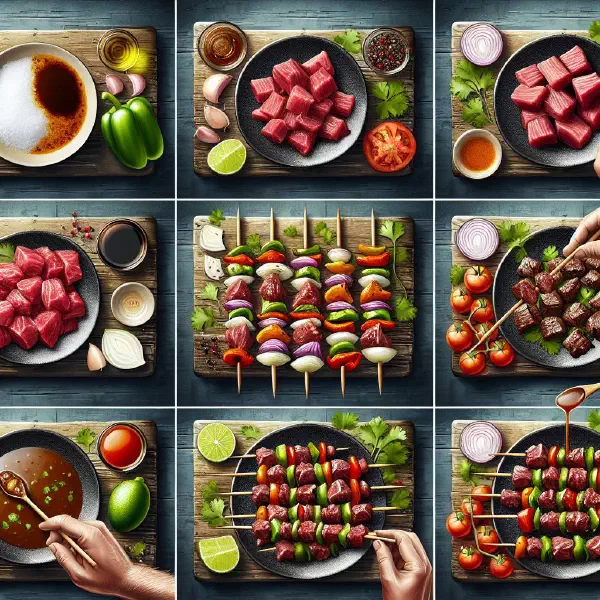
Preparing mshikaki begins with cutting the meat into evenly sized cubes so that they cook through at the same rate. These pieces should then be steeped in a marinade of chopped onion, garlic, ginger and spices. Ideally, let the meat marinate for several hours or even overnight so the flavours can work their way right in. This deepens the taste and keeps the meat tender and juicy on the grill.
Step-by-step instructions
- Prepare the marinade from the oil, onion, garlic, ginger and spices in a bowl.
- Add the diced meat to the marinade and mix thoroughly.
- Leave the marinated meat to rest in the fridge for at least two hours.
- Prepare the wooden skewers and thread the pieces of meat onto them.
- Preheat the barbecue and grill the skewers for about 10–15 minutes, turning them regularly.
Gluten-free / lactose-free version
The recipe for mshikaki is naturally gluten-free and lactose-free, as it contains neither dairy products nor gluten-based ingredients. Just make sure the oil and the spices you use are certified gluten-free too. That way, anyone with an intolerance can enjoy the dish to the full. This adaptability makes mshikaki an ideal choice for almost every kind of diet.
Tips for vegans and vegetarians
For a vegan or vegetarian version of mshikaki you can simply replace the meat with plant-based alternatives. Tofu, seitan or firm vegetables such as courgette and peppers all make excellent skewers. Marinate the vegetables or tofu in exactly the same spice mixture to keep that full, rounded flavour, much the same trick that works so well for Bhajia Za Dengu. Vegans and vegetarians need not miss out on a single note of taste.
More tips and tricks
To make your mshikaki even better, feel free to experiment with different spices. A squeeze of lemon juice or a scattering of fresh herbs, for example, lifts and intensifies the flavour. Do, however, shake off any excess marinade before the skewers go on the grill, so that stray bits do not char. Creativity in the preparation is the real key here.
Adapting the recipe to your taste
Everyone has their own idea of what mshikaki should taste like. Try different cuts of meat or marinated vegetables to build up a whole range of flavours. For hotter skewers, stir chilli powder or fresh chillies into the marinade. Every small adjustment can make the dish uniquely yours and satisfy any palate at the table.
Ingredient substitutions
If you do not have certain ingredients for mshikaki to hand, there are plenty of practical alternatives. Lamb or fish work just as well as beef or chicken, firm white fish gives a lighter result, in the spirit of Grilled Tilapia. For the marinade, yoghurt can stand in for the oil to achieve a creamier coating. This flexibility lets you shape the recipe around whatever your kitchen happens to hold.
Drink pairing ideas
Plenty of drinks go beautifully with mshikaki and round out its smoky, spiced notes. A cold beer is the popular choice in Kenya, served alongside the skewers straight from the grill. Alternatively, a glass of spiced tea such as Chai Ya Tangawizi or a simple fruit juice will balance the flavours nicely. Experiment a little to find the pairing that best completes your meal.
Serving and presentation ideas
Presentation can play a big part in the enjoyment of mshikaki. Serve the skewers on a brightly coloured platter and garnish them with fresh herbs and wedges of citrus. Use vegetables or a crisp salad such as Kachumbari as a side to create a well-balanced meal. An attractively arranged plate heightens not just the pleasure but also the anticipation of what is to come.
A bit of history
Mshikaki has its roots in Kenyan cooking, where it is sold at festivals and from roadside stalls up and down the country. Originally developed as a quick and filling meal, it is now a favourite snack and a fixed part of the national food culture. Every piece of meat tells a story of tradition and craft, passed down through generations of grill cooks. In this way mshikaki connects not only flavours but cultures separated by both time and geography, and it remains one of the great ambassadors of Kenyan cuisine.
More recipe ideas
Summary: Mshikaki
Mshikaki is more than just a dish. It is a piece of Kenyan culture that brings flavours and traditions together on a single skewer. With simple ingredients and a straightforward method, it offers a delicious window into the rich cooking of East Africa. It is perfect for sociable occasions and everyday meals alike. Let the flavours of Kenya tempt you and savour every bite.