National Dish Kenya: Swahili Biryani (Recipe)
In this article
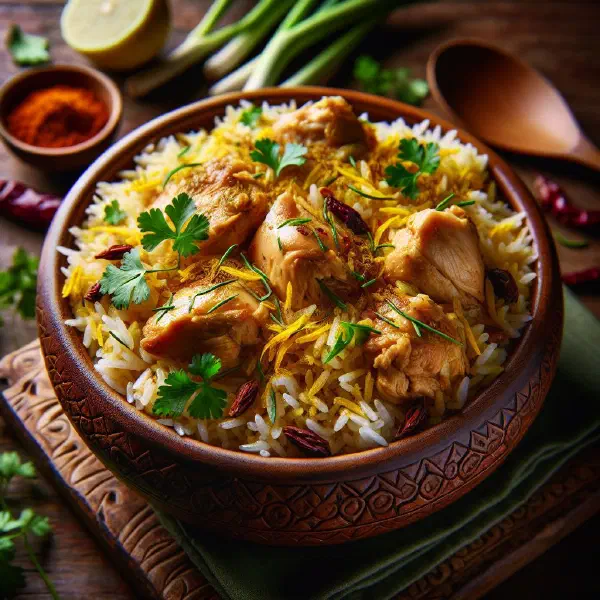
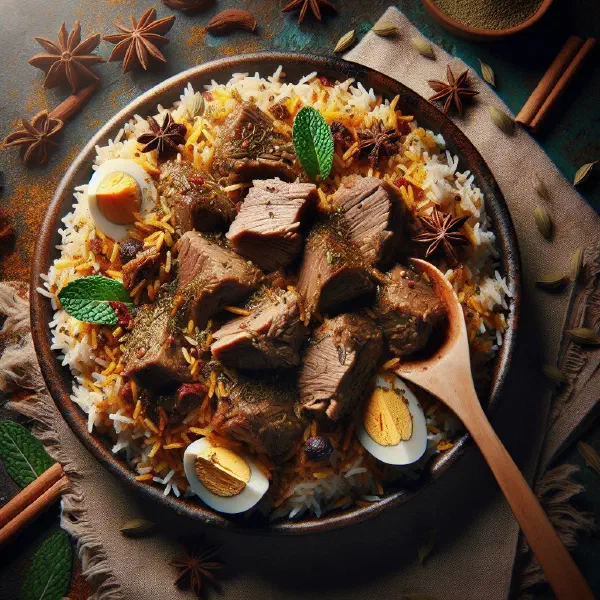
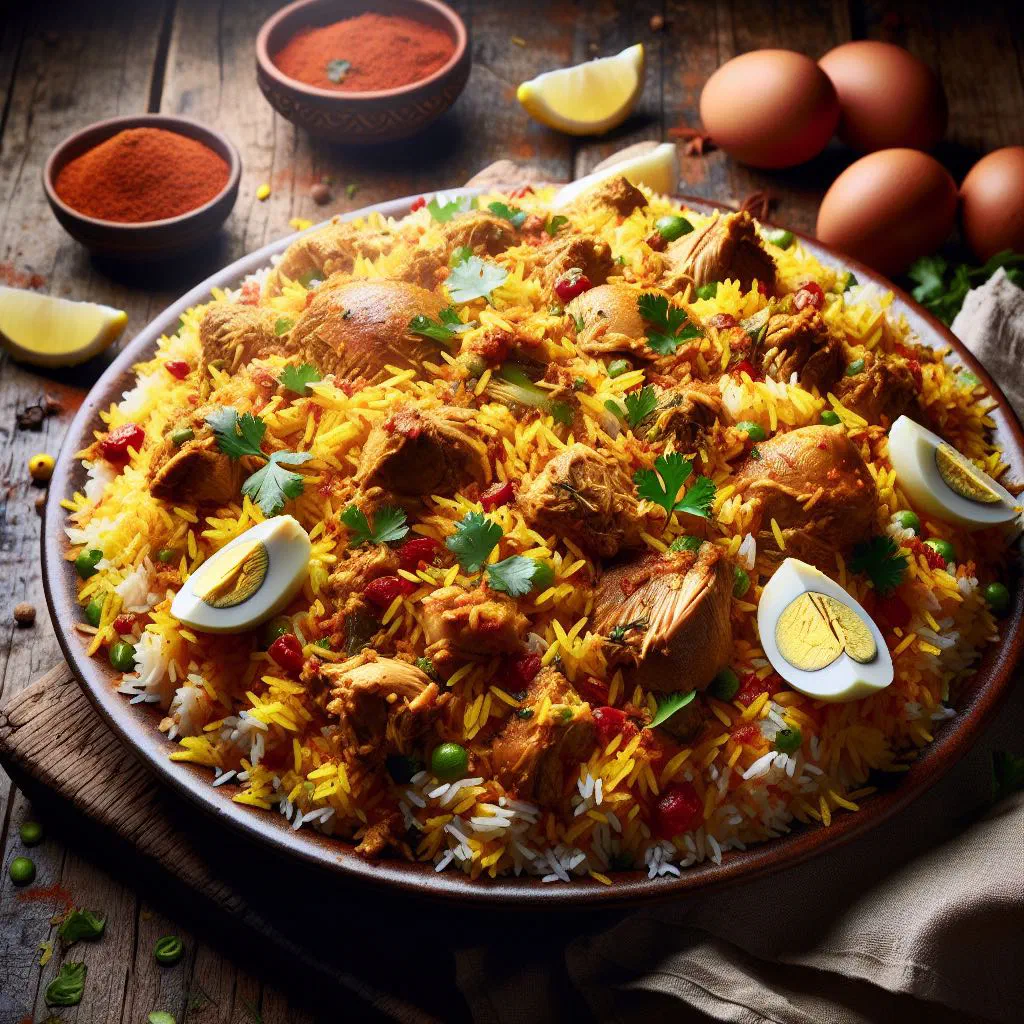
Discover Swahili Biryani, the fragrant rice dish that sums up everything wonderful about Kenya’s coastal cooking. Layers of tender meat, buttery basmati rice and a warm chorus of cloves, cinnamon and cardamom come together in a single pot. It is a celebration of Arab, Indian and African influences meeting on the Indian Ocean shore, a genuine feast of aromas and a slice of Kenyan culture on your plate.
About Swahili Biryani
Swahili Biryani is a dish steeped in tradition and, more than any other, it captures the essence of Swahili cooking. Its roots lie in the meeting of Arab, Indian and African flavours, which makes every mouthful a small event in itself. The combination of tender meat, aromatically spiced rice and a generous handful of whole spices promises a taste you will not forget in a hurry. Biryani is always a fine choice.
Ingredients (serves 1–2)
- 250 g basmati rice
- 300 g chicken (or lamb)
- 1 large onion, finely chopped
- 2 garlic cloves, chopped
- 1 piece of fresh ginger, grated
- 2–3 whole cloves
- 1 cinnamon stick
- 3–4 cardamom pods
- 1 teaspoon ground turmeric
- 2–3 tablespoons yoghurt
- Fresh coriander and mint leaves, to garnish
- Salt and pepper to taste
- Oil or ghee, for frying
Shopping for the ingredients
For a proper Swahili Biryani it pays to seek out the freshest ingredients you can find. Head to your local market or a well-stocked grocer for good-quality meat and whole spices that still smell lively when you open the packet. Basmati rice is particularly recommended here, as it cooks up light and separate rather than sticky. Do not forget fresh herbs such as coriander and mint. They round the finished dish off beautifully.
Preparing the dish
Preparation is the decisive step when cooking Swahili Biryani. Begin by soaking the rice in water for around 30 minutes, which shortens the cooking time and improves the texture no end. While the rice soaks, you can turn to the meat: mix a marinade of yoghurt, garlic, ginger, turmeric and spices and coat the pieces thoroughly. Careful groundwork like this makes sure the flavours penetrate right through the dish rather than sitting on the surface.
Step-by-step instructions
- Heat oil or ghee in a large pan and fry the onions until golden brown.
- Add the marinated meat and brown it well, cooking until done through.
- Stir in the soaked rice, folding it gently through the meat and onions.
- Add the whole spices and enough water to cook the rice, then cover and leave the biryani to simmer over low heat.
- Once the rice is tender, take the pan off the heat and let the dish rest for a few minutes.
- Garnish with fresh coriander and mint leaves and serve hot.
Gluten-free / lactose-free version
Swahili Biryani adapts to special dietary needs without any fuss at all. Simply use lactose-free yoghurt, or leave the yoghurt out altogether, to make the dish lactose-free. For a gluten-free version it is worth checking every ingredient carefully, particularly ready-made spice blends, as these can occasionally contain gluten as a bulking agent. That way you can enjoy this delicious dish with no reservations whatsoever.
Tips for vegans and vegetarians
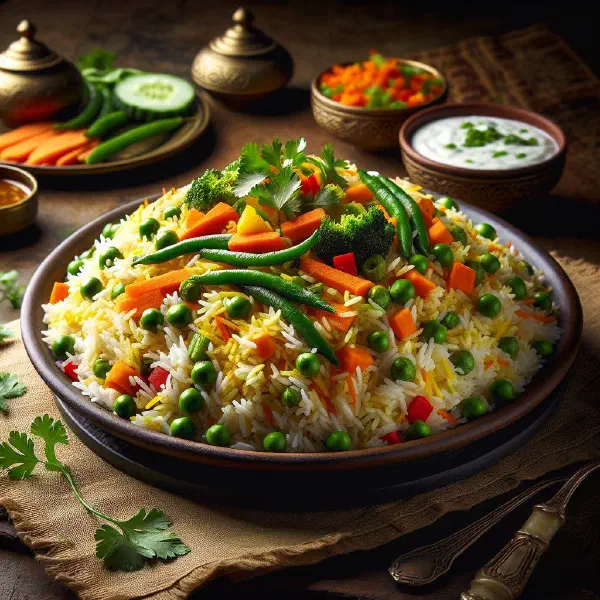
Vegans and vegetarians can adapt Swahili Biryani easily by replacing the meat with plant-based protein. Chickpeas, tofu or vegetables such as cauliflower and carrots all make excellent alternatives, much as they do in a hearty Ndengu Curry. Use plant-based yoghurt in place of the dairy version to keep that creamy note in the marinade. With a little imagination, a vegan biryani captures the flavours of Kenya just as convincingly as the original.
More tips and tricks
To make Swahili Biryani even more flavourful, try playing with the spices until you land on a blend that feels like yours. A pinch of saffron or a stock cube added at the right moment lends the dish real depth. Slow cooking is the key to a properly made biryani, giving the aromas time to work their way through the rice. Getting the balance between spice and salt right is what decides the final result.
Adapting the recipe to your taste
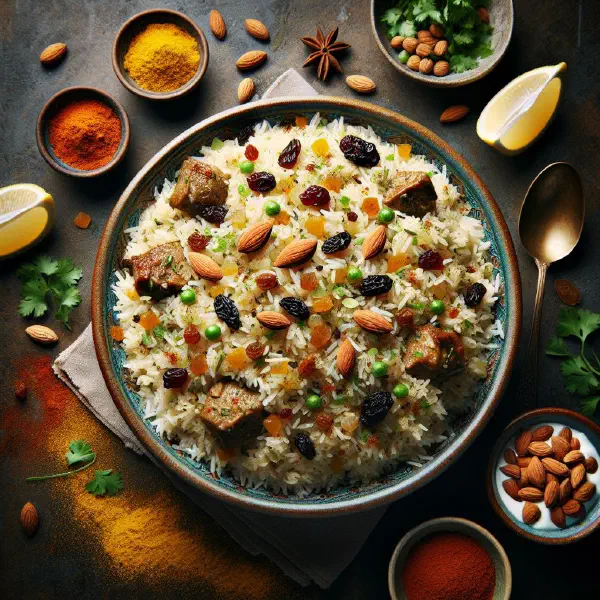
Swahili Biryani is extremely versatile and takes well to individual preferences. Feel free to switch the type of meat or vegetables depending on what you fancy or what happens to be available, the same flexible spirit behind a good Pilau. Experiment with extras such as dried fruit, nuts or different herbs to discover new directions. Approached this way the dish never becomes dull and always stays an occasion.
Ingredient substitutions
There is no need to cling to specific ingredients when making Swahili Biryani. Basmati rice can be swapped for jasmine rice or even quinoa, which makes for a lighter, healthier alternative. For the spicing, ready-made biryani blends work perfectly well and save a good deal of time.
Drink pairing ideas
To round off the Swahili Biryani experience, give some thought to what you pour alongside it. A refreshing mint tea or a homemade lime cordial is a superb match for a well-spiced biryani, as is a mug of sweet, milky Chai. Light beers or an unassuming white wine can also complement the food harmoniously and lift the meal. Try a few combinations and see which suits you best.
Serving and presentation ideas
An attractive presentation can improve the whole dining experience. Use a large, shallow serving platter so the biryani can be spread out and shown off properly. Scatter fresh herbs over the top and add a handful of toasted almonds for colour and texture. A crisp Kachumbari on the side provides a bright, tangy contrast, and a careful presentation signals the love and attention that went into the cooking.
A bit of history
The story of Swahili Biryani is rooted deep in the cultural currents that shaped Kenya. Originally the dish was a marker of prosperity and appeared mainly at weddings and other special occasions. Its blend of Indian, Arab and local flavours mirrors the multicultural society of the Kenyan coast, where traders and settlers met for centuries. Every plate therefore tells a story of exchange between cultures and of the many influences that have settled into Kenyan cuisine.
More recipe ideas
Summary: Swahili Biryani
Swahili Biryani is a captivating dish that brings together the tastes and the culture of Kenya in one pot. With its rich combination of aromas and textures it is not only thoroughly filling but a genuine pleasure to eat. Biryani brings warmth and good cheer to the table. Explore the world of Swahili cooking and enjoy a piece of culture on your plate.