National Dish Kenya: Ugali na Mboga Kienyeji (Recipe)
In this article
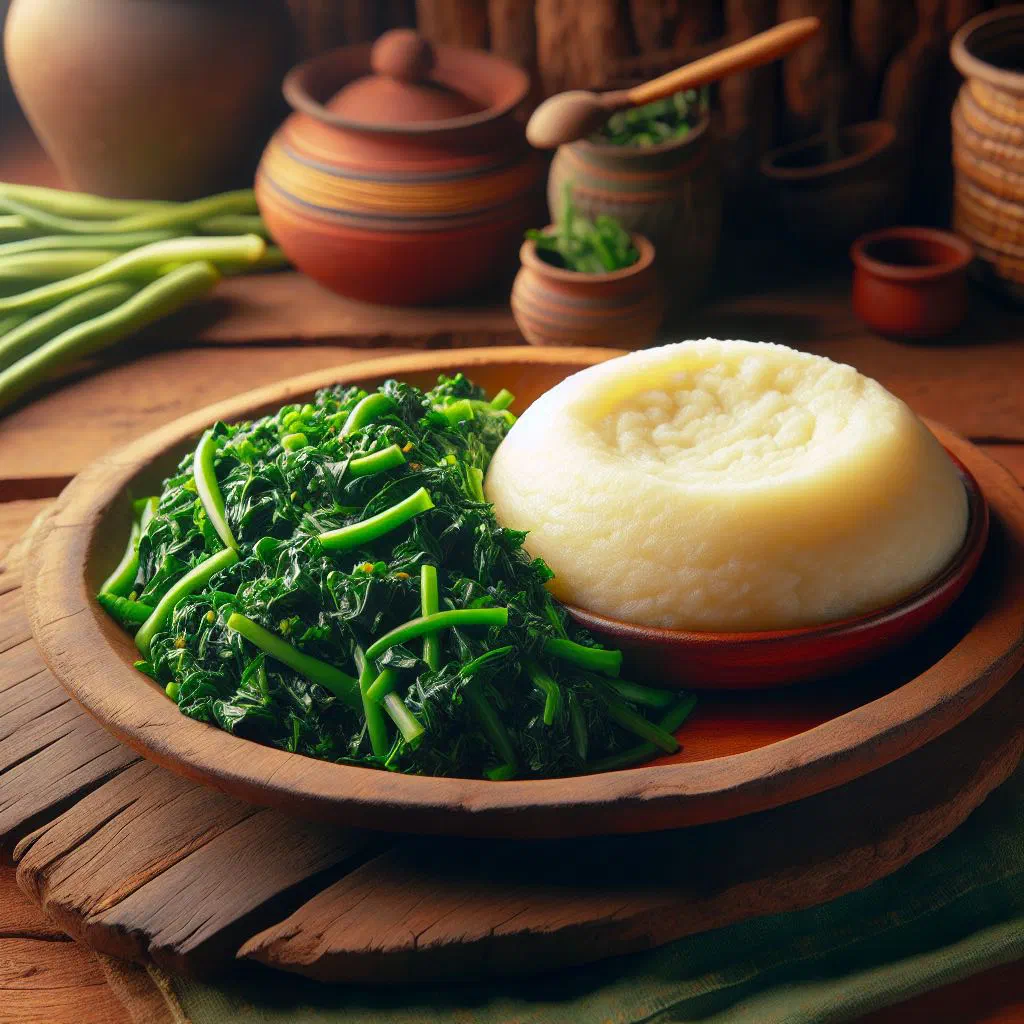
Discover Ugali na Mboga Kienyeji, the everyday heart of Kenyan home cooking. A firm, comforting maize meal pairs with a pan of fresh seasonal greens, and between them they make a plate that is nourishing, filling and beautifully simple. There is nothing fussy about it. Just good ingredients, a hot pan and a little patient stirring. Bring the honest flavours of a Kenyan kitchen to your own table tonight.
About Ugali na Mboga Kienyeji
Ugali na Mboga Kienyeji is a traditional Kenyan dish that captures the essence of the country’s cooking. It brings together a hearty maize meal porridge (ugali) and a combination of fresh, seasonal vegetables (mboga kienyeji). The preparation is straightforward, and the dish appears on tables in Kenyan households day in, day out. It is known for being highly nutritious and plays an important part in the diet of a great many people.
Ingredients (serves 1–2)
- 1 cup maize meal
- 2 cups water
- 300 g sukuma wiki (collard greens) or other greens
- 1 onion
- 1 tomato (optional)
- Salt to taste
- Vegetable oil, for frying
Shopping for the ingredients
The ingredients for ugali na mboga kienyeji are easy to come by, particularly in African and Asian grocery shops. Maize meal is the backbone of the ugali and should be of good quality if you want the right consistency. Greens such as sukuma wiki turn up in many local markets and bring fresh flavour and plenty of nutrients to the plate, the very same leaves that carry a bowl of Sukuma Wiki. Choose fresh, regional produce wherever you can for the best possible flavour.
Preparing the dish
To get everything ready, start by washing the greens thoroughly and cutting them into small pieces. The onion and the tomato can be diced so they cook through quickly in the pan. It is worth having all your ingredients laid out before you begin cooking. That bit of preparation makes the whole process easier and lets you move through the steps efficiently.
Step-by-step instructions
- Bring two cups of water to the boil in a saucepan.
- Add the maize meal gradually, stirring constantly to keep lumps from forming.
- Let the ugali simmer for around 5–10 minutes until it is firm and cooked through.
- Heat a little oil in a separate pan and sweat the onion until golden brown.
- Add the chopped greens and fry until tender.
- Serve the ugali hot with the vegetables alongside.
Gluten-free / lactose-free version
Ugali na Mboga Kienyeji is naturally gluten-free, since maize meal is used rather than wheat flour. That makes it an excellent option for anyone with a gluten intolerance. The vegetables are lactose-free too, so the dish suits people with lactose intolerance without any adjustment. Just make sure the oil you cook with contains no dairy, and the meal stays entirely plant-based.
Tips for vegans and vegetarians
Ugali na Mboga Kienyeji is a vegan dish, and the pairing of maize and greens makes it an excellent source of nutrients. For extra protein you can add pulses such as beans or peas, much as you would in a pot of Maharagwe. Avoid animal fats and reach for plant-based oils to keep the dish fully vegan. That makes it especially appealing for anyone who prefers a plant-based diet.
More tips and tricks
An important tip when making ugali is to work over medium heat so nothing catches on the base of the pan. Stir continuously while it cooks to guarantee an even texture. If it stiffens too much as it simmers, simply add a splash more water. It is also well worth experimenting with different greens to tune the flavour to your own liking.
Adapting the recipe to your taste
The basic recipe for ugali na mboga kienyeji adapts easily to personal preference. You might use different vegetables depending on the season and on what is available. For a hotter version, add chillies or pepper. You can equally refine the ugali itself with a range of spices to create new flavour experiences.
Ingredient substitutions
If you have no maize meal to hand, other flours such as millet or sweet potato flour will get you to a similar consistency, millet being the grain behind Ugali Ya Wimbi. Instead of sukuma wiki you can use spinach or chard to bring some variety to the plate. Spices such as cumin or turmeric add further aroma. The flexibility of the ingredients means you can shape the dish entirely around your own preferences.
Drink pairing ideas
A number of drinks suit ugali na mboga kienyeji and complement its flavours nicely. A simple glass of cold water with a squeeze of lime is particularly refreshing. If you are after something with more character, try a local Kenyan beer or a fruity fruit juice. For a special touch, serve a sweet tea or a cup of Kenyan chai, which pairs perfectly with the savoury notes of the meal.
Serving and presentation ideas
Presentation is easy to lift with a little creativity. Serve the ugali in a bowl and garnish it with fresh herbs or a squeeze of lemon. The vegetables can be arranged artfully on the plate, with an eye to bringing out their colours. An attractive presentation not only makes the food taste better but adds to the whole experience. Use local crockery or wooden utensils to underline the dish’s authentic character.
A bit of history
Ugali is a fixture of African cooking and has its origins in the traditional eating habits of many different peoples. In Kenya it has been valued as a staple for centuries. It is often prepared in large quantities and carries a particular significance at social gatherings. It symbolises community as much as sustenance, a simple but deeply satisfying dish that brings people together, and one of the cornerstones of Kenyan cuisine.
More recipe ideas
Summary: Ugali na Mboga Kienyeji
Ugali na Mboga Kienyeji is a simple, flavourful dish that embodies the riches of Kenyan cooking. It is healthy, nourishing and easy to adapt. The use of fresh vegetables makes it not only tasty but genuinely nutritious. Give it a try and let the flavours and traditions of Kenya work their magic on you.