National Dish Kenya: Ugali na Sukuma (Recipe)
In this article
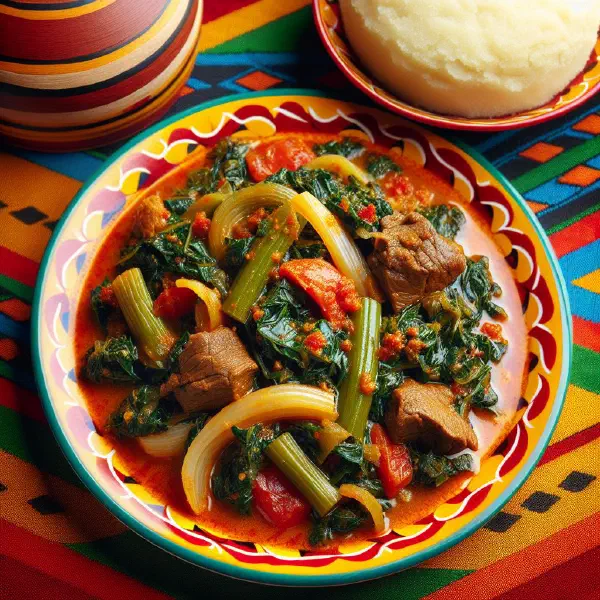
Meet Ugali na Sukuma, the plate that Kenya eats more often than any other. A firm, gently steaming mound of maize meal sits beside a pan of dark leafy greens softened with onion and tomato, humble ingredients that somehow add up to something deeply satisfying. It is cheap, filling and endlessly forgiving, which is exactly why it turns up at family tables from Nairobi to the coast. One mouthful and you understand why Kenyans never tire of it.
About Ugali na Sukuma
Ugali na Sukuma is a traditional Kenyan dish that is loved not only in Kenya but right across East and Southern Africa. It brings together two elements: ugali, a thick maize-meal porridge, and sukuma wiki, sautéed leafy greens. Simple though it is, the pairing is remarkably nourishing and offers a wonderful way into the culinary variety of the country. The pleasure lies in the contrast, the mild, almost neutral ugali against the savoury, faintly bitter greens, and that balance is what makes it so hard to stop eating.
Ingredients (serves 1–2)
- 2 cups maize meal
- 4 cups water
- 1 bunch sukuma wiki (or other leafy greens)
- 1 onion, chopped
- 2 tomatoes, diced
- 1 tablespoon oil (sunflower oil, for example)
- Salt to taste
Shopping for the ingredients
Good ingredients make all the difference here, so it is worth shopping with a little care. A local supermarket will cover most of the list, though a fresh produce market is the better bet for the vegetables. Buy the maize meal and the leafy greens as fresh as you can, since both lose flavour quickly once they sit around. Look for onions and tomatoes that are ripe and juicy. They carry much of the aroma in the finished pan.
Preparing the dish
Start by washing the greens thoroughly and stripping the leaves of the sukuma wiki away from any tough stalks. Chop the onion and the tomatoes small so they break down evenly in the pan. This groundwork matters more than it might seem: uniform pieces cook at the same rate, which lets the flavours merge properly rather than staying separate. A few minutes of preparation now saves a good deal of fiddling later.
Step-by-step instructions
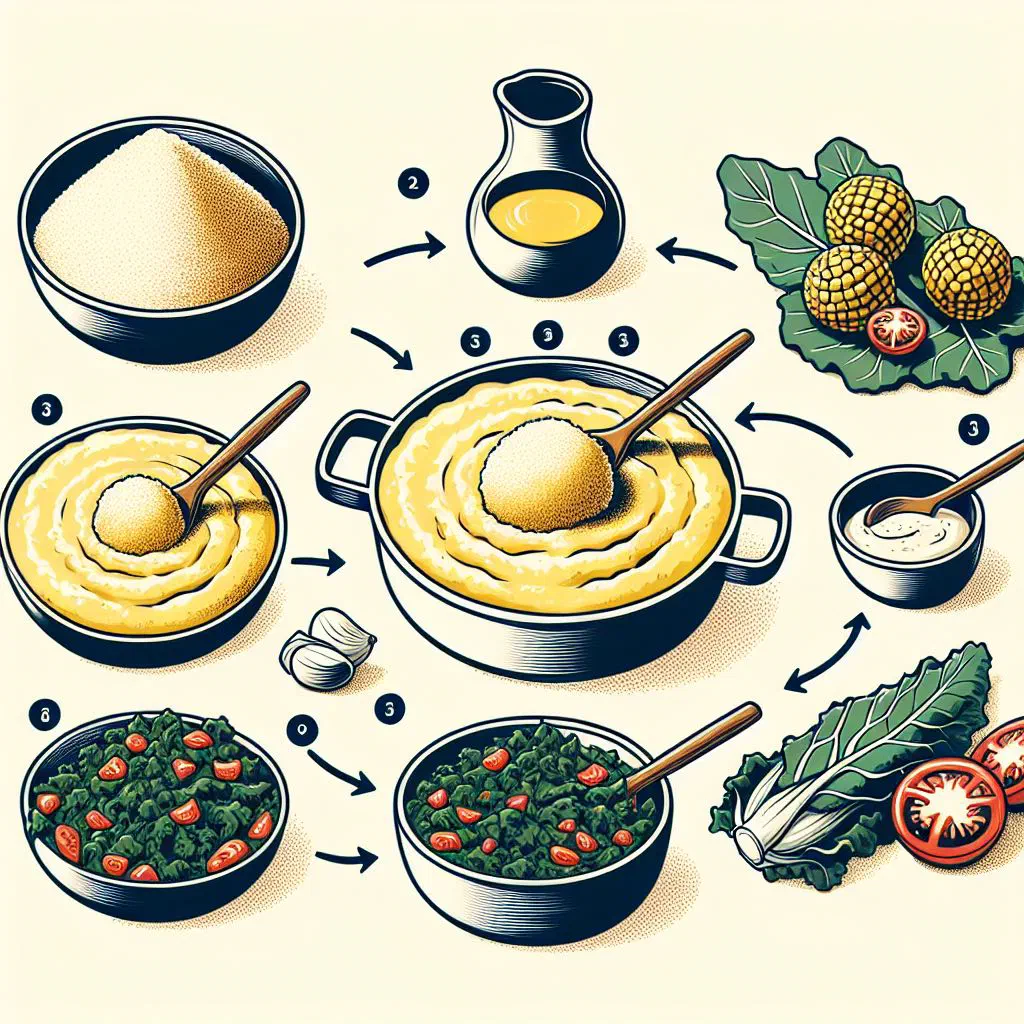
- Bring 4 cups of water to the boil in a saucepan.
- Once the water is boiling, add the maize meal slowly, stirring well to avoid lumps.
- Lower the heat and let the ugali cook for around 10 minutes, stirring constantly, until it firms up.
- In a separate pan, heat the oil over medium heat and add the chopped onions. Fry until golden brown.
- Add the diced tomatoes and the washed sukuma wiki and cook everything together until the greens are tender. Season with salt.
- Turn the ugali out onto a plate and spoon the sukuma wiki alongside. Serve hot.
Gluten-free / lactose-free version
Ugali na Sukuma is naturally gluten-free, since maize meal is the only starch involved. That makes it a genuinely safe choice for anyone with coeliac disease or a gluten intolerance, with no substitutions required. There are no dairy products in the recipe either, so it suits lactose-intolerant eaters just as well. You can enjoy it exactly as written without a second thought.
Tips for vegans and vegetarians
The dish is vegan from the outset, containing no animal products at all. Even so, you can make it more nutritious by adding further vegetables such as carrots, peppers or broccoli to the pan with the greens. Spices and aromatics like garlic or ginger deepen the flavour considerably and bring their own health benefits along with them. A handful of beans stirred through, much as in Maharagwe, turns it into an even heartier plate.
More tips and tricks
Take care not to overcook the ugali, or it will turn unpleasantly sticky. If it stiffens too much, splash in a little water and warm it briefly while stirring. It loosens right back up. To ring the changes, try serving it with different accompaniments, such as grilled meat or fish; a portion of Nyama Choma alongside makes the meal feel like an occasion. Small additions like these turn an everyday dish into a proper spread.
Adapting the recipe to your taste
The beauty of Ugali na Sukuma is how readily it bends to personal preference. If you like heat, stir a little chilli or cayenne pepper in with the onions and tomatoes and the whole pan lifts. Should you fancy a different base altogether, rice flour or buckwheat flour will give you a comparable porridge with its own character. Experiment freely, the recipe is robust enough to take it.
Ingredient substitutions
When sukuma wiki is nowhere to be found, spinach or kale step in perfectly well, offering similar nutrients and a comparable taste. In place of maize meal you might try millet flour, which changes both the texture and the flavour in an interesting way, the same idea behind Ugali Ya Wimbi.
Drink pairing ideas
A fresh fruit juice or a lightly sweetened herbal tea makes a fine companion to this meal. Both sit nicely against the savoury notes of the greens and help keep the whole plate in balance. Cold water with a squeeze of lemon is another refreshing option, and a cup of spiced Chai rounds things off beautifully afterwards. Whichever you choose, something light offsets the density of the ugali.
Serving and presentation ideas
For an appealing presentation, turn the ugali out onto a large plate and set the sukuma wiki beside it rather than on top. Scatter over a few fresh herbs such as parsley or coriander for a welcome splash of colour. A colourful plate genuinely does sharpen the eating experience, so it is worth the extra half-minute. Attractive serving dishes draw the eye and give this modest food the attention it deserves.
A bit of history
Ugali is a staple across many African cultures, especially in the east and south of the continent. It grew up as a straightforward, nourishing solution built from ingredients that communities could grow themselves. Sukuma wiki takes its name from the Kiswahili word sukuma, meaning “to push”, a reference to stretching the week’s food a little further. Together they embody the traditions of Kenyan cuisine and are widely seen as a symbol of community and hospitality.
More recipe ideas
Summary: Ugali na Sukuma
Ugali na Sukuma is a simple but flavoursome dish that stands for authentic Kenyan cooking. It combines the sustaining qualities of maize meal with the freshness of green vegetables to make a filling, healthy meal from very little. Whether it appears at a family celebration or on an ordinary Tuesday evening, it has a way of drawing people together around the table. Give the recipe a go and let the rich culture of Kenya inspire your kitchen.