National Dish Kenya: Ugali (Recipe)
In this article
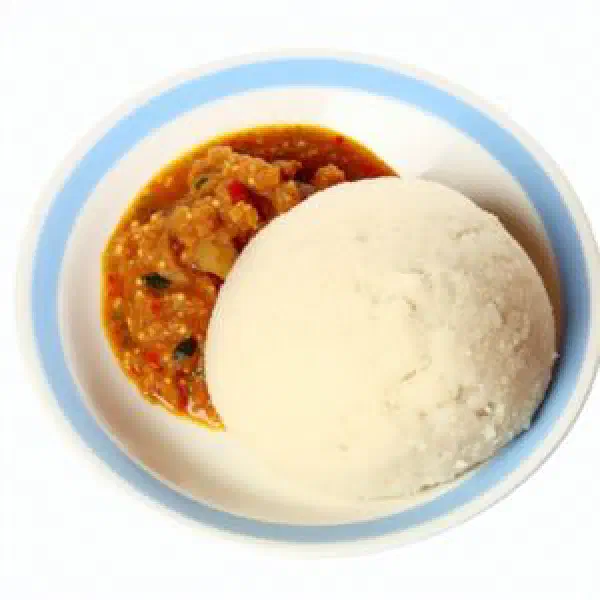
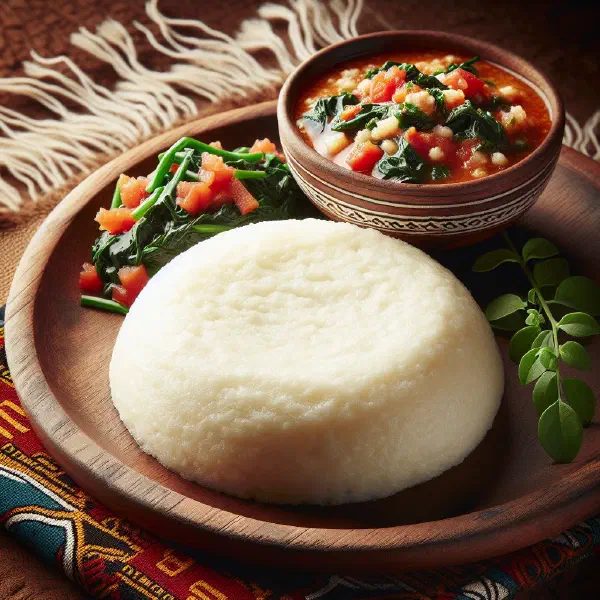
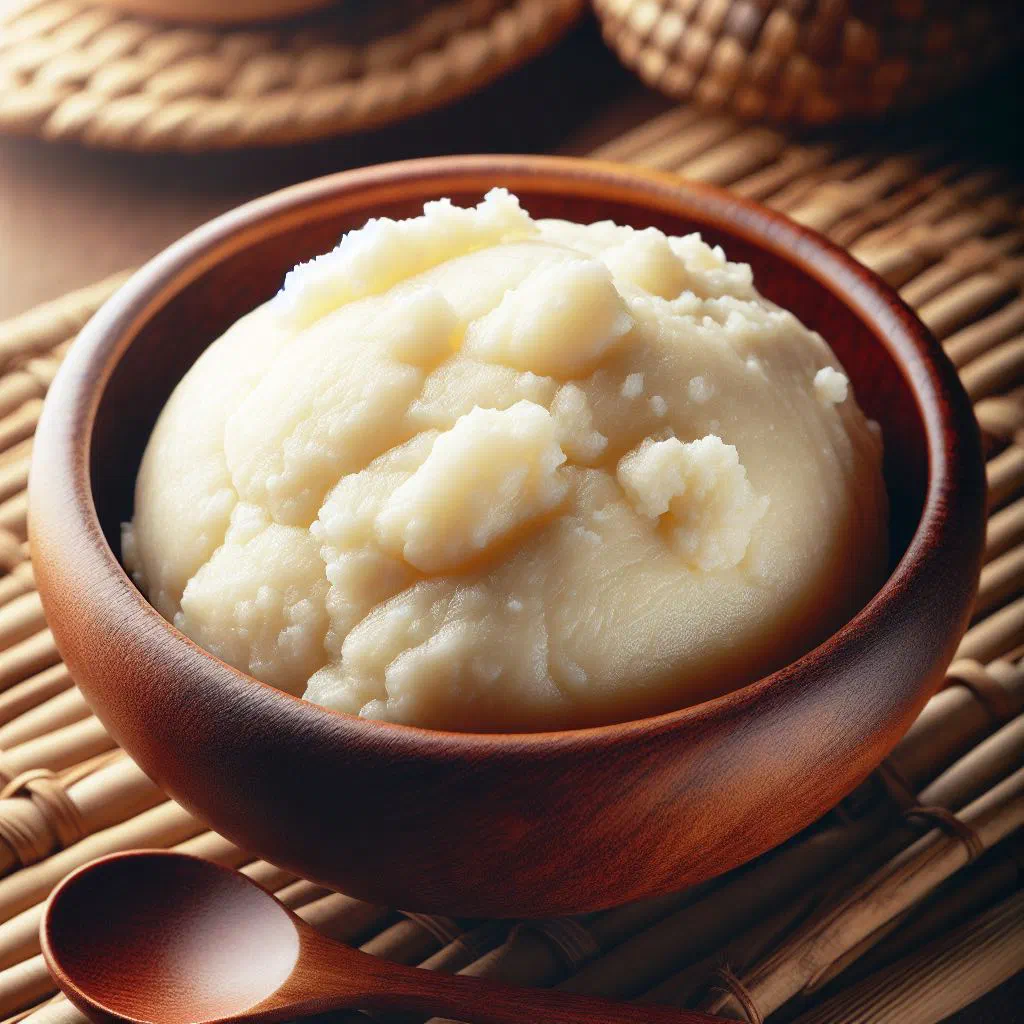
Ugali is maize flour and water, stirred hard until it comes away from the pan. It has no seasoning. Kenyans eat it with almost everything, and judging someone’s ugali is a real thing: it should be firm, smooth, and hold its shape when turned out.
About Ugali
Ugali is the staple of Kenya and much of East Africa. White maize flour goes into boiling water and is worked with a wooden spoon until stiff. The technique is entirely in the stirring, and a good ugali takes real effort at the end.
It is never eaten alone. Greens, stew, grilled meat or beans go alongside, and the ugali is the vehicle.
Ingredients (serves 1–2)
- 1 cup maize flour (white cornmeal)
- 3 cups water
- A pinch of salt (optional)
Shopping for the ingredients
White maize flour is what Kenya uses, sold as unga or mealie meal in African shops. Yellow maize flour gives a different, sweeter result that Kenyans regard as animal feed. Finely ground is better than coarse.
Preparing the dish
There is nothing to prepare. What matters is the pan: use a heavy one with a wide base and have a sturdy wooden spoon ready. The final stirring is genuinely hard work and a flimsy spoon will break.
Step-by-step instructions
- Bring 3 cups of water to the boil in a large pan.
- Add a pinch of salt if you like.
- Reduce the heat and add the maize flour slowly, stirring constantly.
- Keep stirring until a firm, smooth mass forms that comes away cleanly from the base of the pan.
- Cover the pan and let the ugali rest for a few minutes so it can absorb the remaining moisture.
- Turn it out and serve warm with your favourite dish.
Gluten-free / lactose-free version
Maize contains no gluten and there is no dairy in ugali. It is naturally suitable for both restrictions, and it is one of the most useful gluten-free staples anywhere.
Tips for vegans and vegetarians
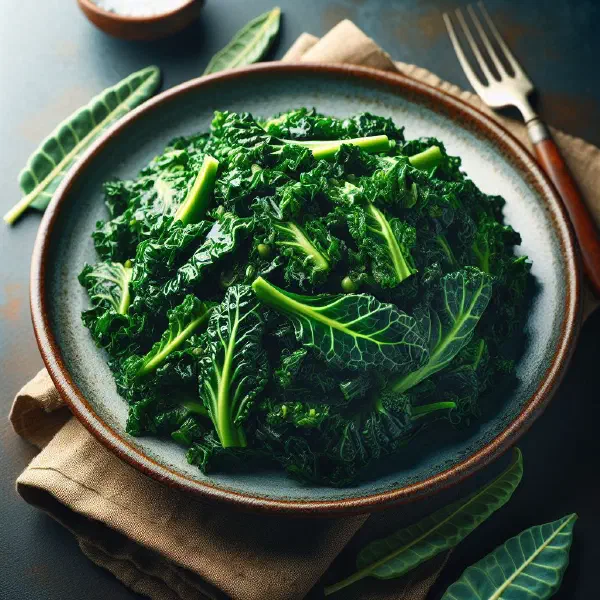
Ugali is flour and water. What goes with it decides everything: sukuma wiki, the collard greens, githeri, maize and beans, and maharagwe, coconut beans, are all vegan and all standard.
More tips and tricks
Add the flour gradually and never stop stirring. Press the ugali against the side of the pan repeatedly in the last few minutes, which is the technique that gives it the right texture. And cook it longer than seems necessary: undercooked ugali tastes raw and is the commonest failure.
Adapting the recipe to your taste
Millet or sorghum flour makes ugali ya wimbi, darker and more nutritious. A softer version is breakfast porridge. Some cooks add a spoonful of the previous batch for flavour.
Ingredient substitutions
Millet, sorghum or cassava flour all work, alone or mixed. Polenta gives a coarser version. Water is water.
Drink pairing ideas
Chai, Kenyan spiced milk tea, is drunk at all hours. Cold water with the meal. Tusker lager at a nyama choma gathering.
Serving and presentation ideas
Turn it out as a smooth mound onto a shared plate and let people break off pieces with the right hand, roll them, press a hollow with the thumb and scoop. Serve it hot; ugali sets firm and does not reheat well.
A bit of history
Maize arrived in East Africa with Portuguese traders and displaced sorghum and millet as the staple, a change that happened mostly in the last two centuries. The stiff porridge format is older than the crop. Ugali is now so central to Kenyan cuisine that it functions as a synonym for food.
More recipe ideas
Summary: Ugali
Ugali is maize flour stirred into boiling water until stiff and smooth. Add the flour slowly, stir without stopping, press it against the pan at the end, and serve it hot.