National Dish Kenya: Ugali with Fish (Recipe)
In this article
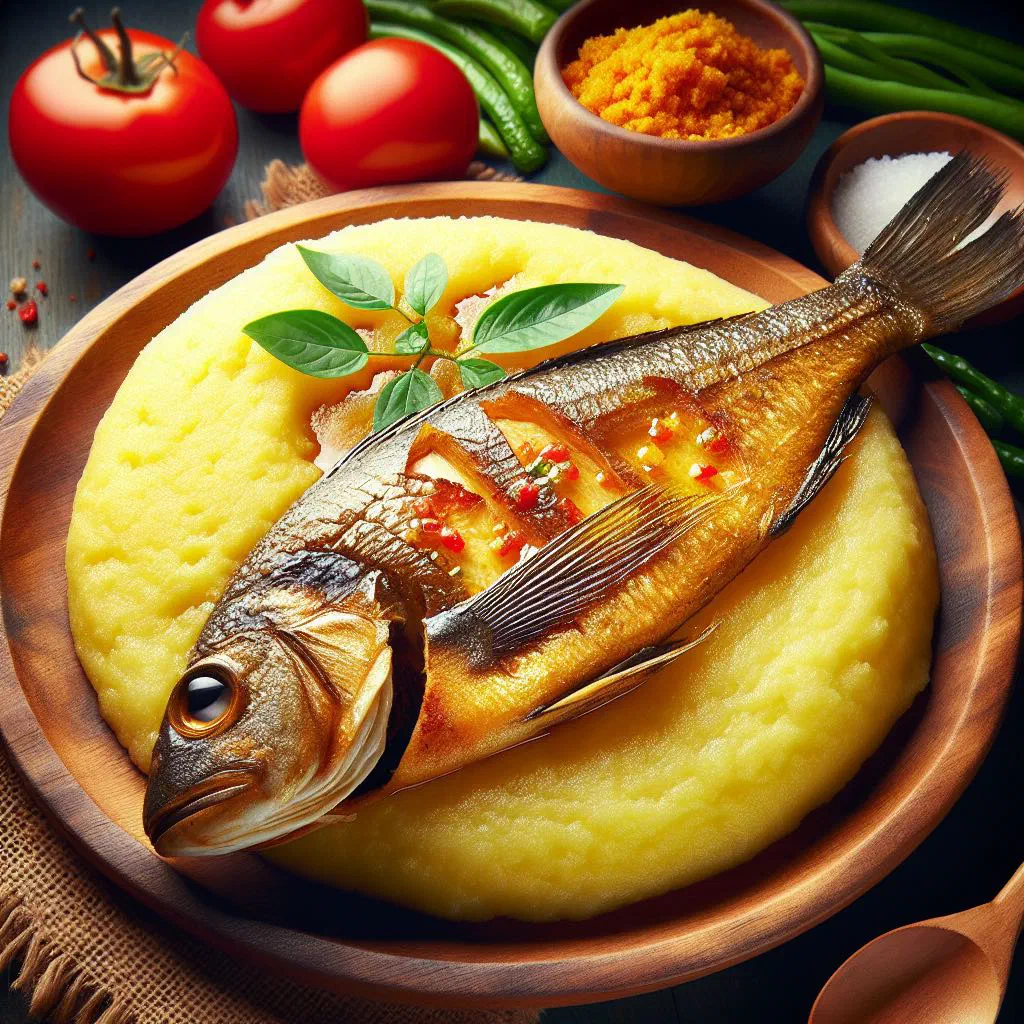
Discover Ugali with Fish, one of Kenya’s most cherished everyday meals. A firm, comforting maize meal paired with freshly caught fish simmered in tomatoes and onions. It is honest, filling food that tastes of home. Simple ingredients, very little fuss, and a result that has fed families across East Africa for generations. Bring a taste of the shores of Lake Victoria straight to your own kitchen.
About Ugali with Fish
Ugali with Fish is a traditional Kenyan dish prized for its simplicity and its full, satisfying flavour. Ugali, a firm maize meal, is served as an accompaniment to all sorts of dishes, but the pairing with fish is a particular favourite. The fish usually comes from local waters and is at its best when freshly caught. Together they make Ugali with Fish delicious and a genuinely nourishing meal packed with goodness. If you enjoy the plain version, try it on its own as Ugali alongside a stew.
Ingredients (serves 1–2)
- 2 cups maize meal
- 4 cups water
- 2 fresh fish (tilapia, for example)
- 1 onion, chopped
- 2 tomatoes, diced
- 1 teaspoon salt
- Oil, for frying
- Spices to taste (pepper, paprika, garlic)
Shopping for the ingredients
To make sure your Ugali with Fish is as fresh and flavourful as possible, buy your ingredients at a local market or a good supermarket. Look for fresh fish with glossy skin and no unpleasant smell. Choose local onions and tomatoes wherever you can, as they will give you the best aroma. Don’t forget the oil and the spices you will need for the sauce.
Preparing the dish
Preparing Ugali with Fish takes only a handful of steps. Start by cleaning the fish, gutting it and filleting it if you prefer. Wash the onion and tomatoes and cut them into small pieces. Having everything ready before you start cooking is what keeps the process smooth, since the ugali needs your full attention once it goes into the pan.
Step-by-step instructions
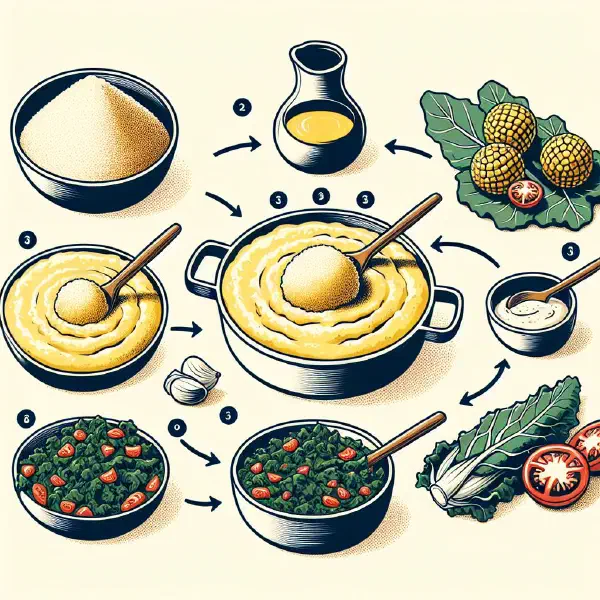
- Bring the water to the boil in a large pan and add the salt.
- Slowly sprinkle in the maize meal, stirring constantly, until the porridge thickens.
- Let the ugali cook for 5–10 minutes, stirring regularly, until it reaches a firm consistency.
- Heat the oil in a frying pan and sauté the onion until translucent.
- Add the tomatoes and spices and let everything simmer for a few minutes.
- Add the prepared fish to the pan and cook until it is done through and flakes easily.
- Turn the ugali out onto plates and serve the fish on top.
Gluten-free / lactose-free version
Ugali is naturally gluten-free, as it is made from nothing but maize meal, which makes it ideal for anyone with a gluten intolerance or coeliac disease. The dish also contains no lactose, so it suits lactose-intolerant guests just as well. Do check any seasoning mixes or coatings you use for the fish, though, as these can occasionally contain hidden gluten.
Tips for vegans and vegetarians
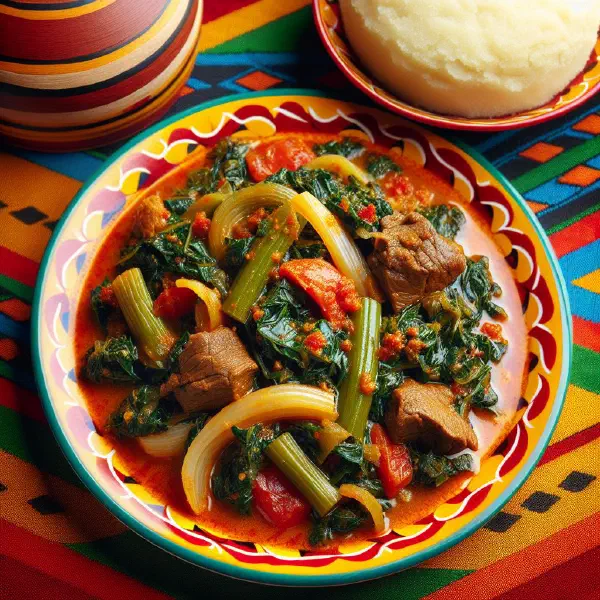
Vegans and vegetarians can pair ugali with all kinds of vegetables or plant proteins such as tofu or chickpeas. The fish is easily replaced with grilled vegetables, which keep the warm, savoury character of the original. Play with spices and herbs to shift the flavour profile and bring more variety to the plate. A classic meat-free pairing is Sukuma Wiki, the braised greens found on tables across the country.
More tips and tricks
A few small things will improve your Ugali with Fish considerably. Experiment with different varieties of fish depending on the season and what your fishmonger has on offer. Take care not to cook the ugali for too long, or it will turn stiff and dry. And serve it on attractive plates. This is a dish that rewards a bit of visual care as much as a good seasoning.
Adapting the recipe to your taste
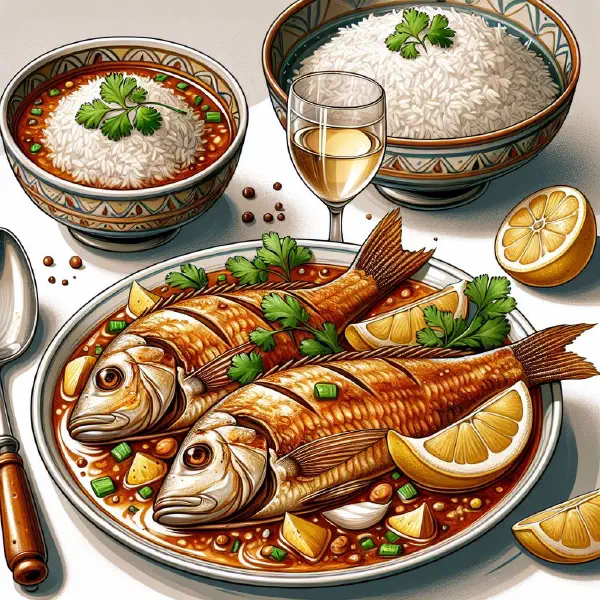
Ugali with Fish is easy to adjust to your own preferences. Turn up the heat by adding chilli or other hot spices, or change the spice blend entirely to suit your palate. You could also build a creamy sauce around the fish to make the dish richer. For a saucier take on the same idea, look at Mchuzi Wa Samaki.
Ingredient substitutions
If you don’t have every ingredient to hand, there are good alternatives. Instead of maize meal you can use millet flour, as in Ugali Ya Wimbi, or rice flour. For the fish, seafood makes a fine change of pace. Always keep an eye on local markets for seasonal and regional produce that can lift the dish.
Drink pairing ideas
Several drinks round off Ugali with Fish beautifully. A sharp lemon juice or a fresh fruit smoothie lifts the flavours and cuts through the richness of the fried fish. If you prefer something alcoholic, a light lager or a fruity white wine is an ideal choice. Drinks like these add to the sociable feel of the meal and improve the whole experience.
Serving and presentation ideas
Presentation goes a long way towards making Ugali with Fish look as good as it tastes. Serve the ugali in a large bowl in the middle of the table so everyone can help themselves. Garnish the fish with fresh herbs such as coriander or parsley for a splash of colour. Decorative plates and bowls make the dish more inviting and build a little anticipation before the first bite. A sharp side of Kachumbari completes the spread.
A bit of history
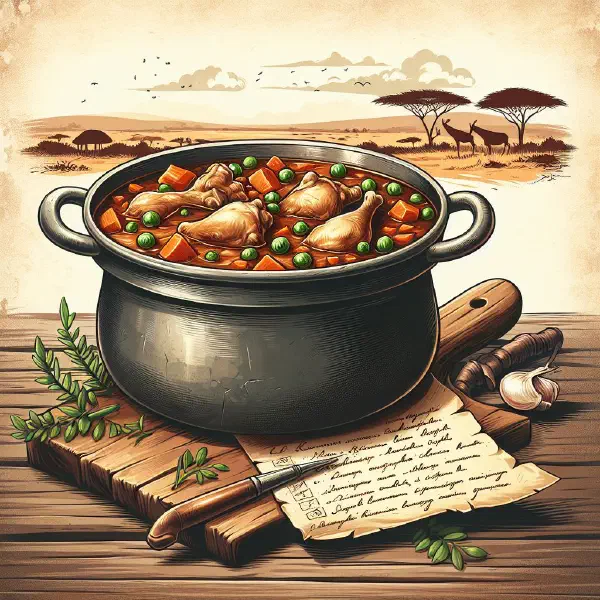
Ugali with Fish has a long history in Kenyan cuisine and counts as a staple food across many African countries. Maize meal has been used in the region for centuries and remains an inexpensive, nourishing source of energy. The fish is traditionally caught along the coast or in the rivers and lakes, which encourages very fresh preparation. The dish is not simply good eating. It is passed down from one generation to the next as part of Kenyan cuisine and culture.
More recipe ideas
Summary: Ugali with Fish
All in all, Ugali with Fish is a simple yet deeply flavourful dish that captures the essence of Kenyan cooking. Humble ingredients come together to create something nourishing and filling, perfect for sharing with company. Usually served with fresh vegetables and a well-judged handful of spices, it adapts to every kind of diet and comes together quickly. Let the flavours of East Africa work their magic and enjoy this classic with family and friends.