National Dish Kenya: Ugali ya Wimbi (Recipe)
In this article
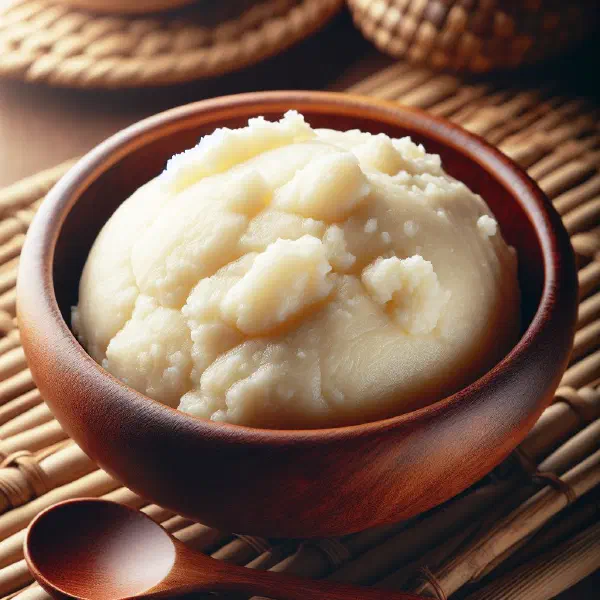
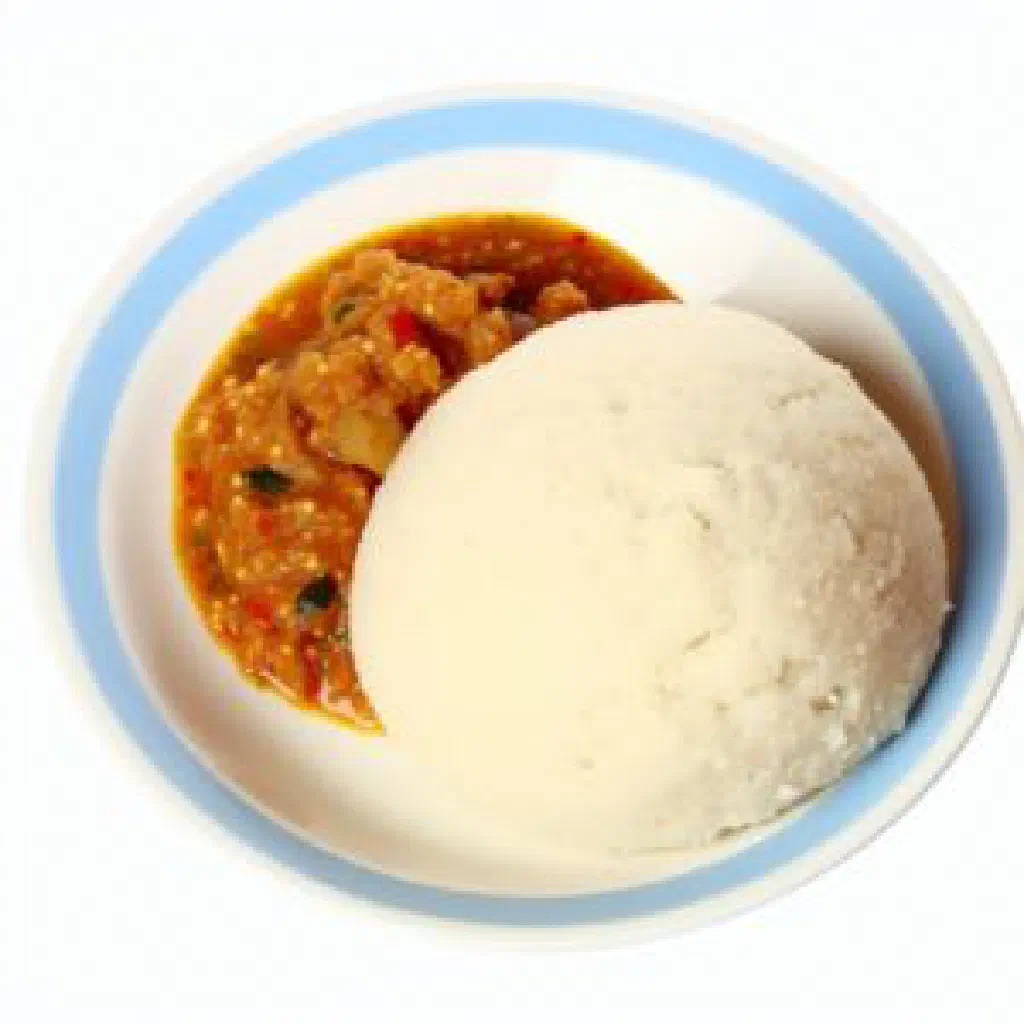
Meet Ugali ya Wimbi, the earthy millet cousin of Kenya’s most famous staple. Made from nothing more than finely milled millet flour and water, it turns out dense, nourishing and quietly delicious, a plain canvas that comes alive next to a bowl of stew or a pile of braised greens. Few dishes say more about Kenyan hospitality than a warm block of ugali set in the middle of the table for everyone to share.
About Ugali ya Wimbi
Ugali ya Wimbi is a traditional Kenyan dish made from fine millet flour and water. It is a simple but exceptionally nourishing food, treated as a staple in households right across the country. Ugali is usually served alongside various stews and vegetable dishes, which makes it a natural building block for a balanced meal. Beyond its flavour, the dish reflects the cultural traditions and the generous hospitality that define Kenya.
Ingredients (serves 1–2)
- 1 cup millet flour (wimbi)
- 2 cups water
- A pinch of salt (optional)
Shopping for the ingredients
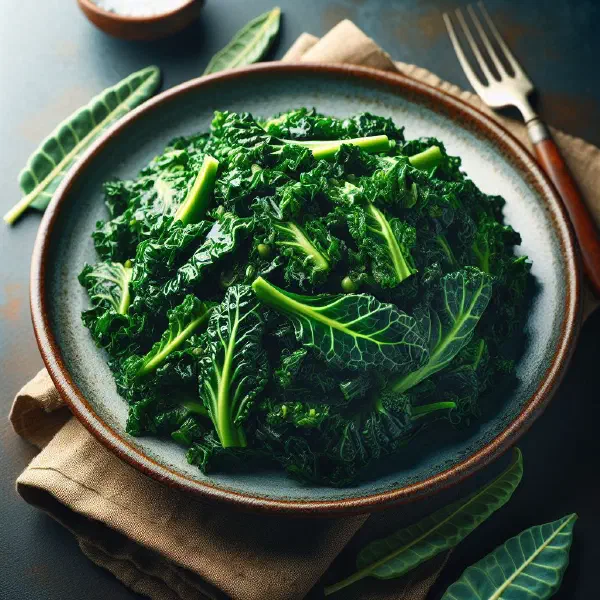
When shopping for ugali ya wimbi, look for good-quality millet flour. African grocers and wholefood shops normally stock it, and it keeps well once opened. It is also worth picking up fresh vegetables or meat at the same time so you have a proper side dish to serve with your ugali, something in the spirit of Sukuma Wiki works beautifully. If you buy packaged flour, always check the best-before date, as millet flour loses its fresh, nutty character with age.
Preparing the dish
Getting ready to make ugali ya wimbi is refreshingly straightforward and takes only a few steps. Measure out the water and pour it into a sturdy pan. If you like, add a pinch of salt at this stage to round out the flavour. Have your wooden spoon or traditional ugali paddle within reach before you start, because once the flour goes in you will need both hands and a bit of momentum.
Step-by-step instructions
- Bring the water to the boil in a saucepan.
- Once boiling, reduce the heat and add the millet flour slowly, stirring continuously.
- Keep stirring until a smooth, homogenous mass forms and the mixture pulls away from the sides of the pan.
- Cover the pan and let the ugali steam for 2–3 minutes over low heat.
- Take the pan off the heat and let the ugali rest for 2 minutes before portioning it with a spoon or your hands.
Gluten-free / lactose-free version
Ugali ya Wimbi is naturally both gluten-free and lactose-free, since it contains nothing but millet flour and water. That makes it an ideal option for anyone living with a gluten intolerance or lactose intolerance. You can fold it into your diet without a second thought if you follow a gluten-free regime. Using pure millet flour guarantees there are no hidden sources of gluten lurking in the mix.
Tips for vegans and vegetarians
For vegans and vegetarians, ugali ya wimbi is an excellent foundation for a whole range of meals. Pair it with plant-based stews built on lentils, beans or mixed vegetables, a pot of Maharagwe or Ndengu Curry is a natural match. Ugali also works well next to roasted vegetables or a robust salad. The result is a varied diet with plenty of room for different flavour combinations.
More tips and tricks
To get the best results with ugali ya wimbi, add the millet flour to the boiling water evenly and steadily. That is what stops lumps from forming. Another useful trick is to let the ugali rest for a couple of minutes after cooking and before serving, as this resting time noticeably improves the texture. Be playful with the presentation too, shaping the ugali into rounds or wedges makes it look every bit as good as it tastes.
Adapting the recipe to your taste
The great thing about ugali ya wimbi is how easily it bends to personal preference. Increase the water for a softer, more porridge-like consistency, or use less for a firmer block that holds its shape when sliced. You can also add aromatics such as garlic or ginger to the water to give the dish an extra layer of flavour.
Ingredient substitutions
If millet flour is hard to come by, maize flour makes a fine alternative and produces the classic pale ugali familiar across Kenya. The method stays much the same, though the taste and texture shift slightly towards something milder and lighter. Aim for substitutes with a comparable nutritional profile so the wholesome quality of the dish is preserved. Other gluten-free flours are worth trying too, quinoa flour among them.
Drink pairing ideas
Ugali ya wimbi goes wonderfully with traditional Kenyan drinks such as chai (spiced tea) or uji, a smooth porridge made from fermented millet flour. Try a cup of Chai ya Tangawizi for a gingery lift. A fresh fruit juice or a well-chilled beer also complements the hearty flavours nicely. If you want to keep things simple, water is always a good choice: it quenches the thirst and lets the mild, nutty notes of the ugali come through. Choose a drink that flatters whatever you are serving alongside.
Serving and presentation ideas
To serve ugali ya wimbi attractively, shape it into neat rounds or turn it out onto a handsome platter. Scatter a few fresh herbs over the top to give the plate some visual freshness. Serve it with colourful vegetables or a generously arranged stew to create contrast against the dark millet. Presented this way, the dish becomes not just satisfying but genuinely striking for your guests.
A bit of history
The roots of ugali ya wimbi run deep into Kenya’s past. Millet was cultivated here long before maize arrived, making this one of the oldest and most traditional foods in the country, valued from the highlands to the coast. Ugali is not only a staple but a symbol of hospitality within Kenyan culture and the wider world of Kenyan cuisine. Many families have developed their own versions and techniques, handed down from one generation to the next as part of a living culinary heritage.
More recipe ideas
Summary: Ugali ya Wimbi
All told, ugali ya wimbi is a delicious, nourishing and remarkably easy dish that offers a genuine window into Kenyan cooking. It is naturally gluten-free and lactose-free, which makes it a good fit for a wide range of diets. Ugali lifts the whole meal. Give it a go and discover for yourself the flavour and cultural depth it represents.