National Dish Kenya: Uji wa Wimbi (Recipe)
In this article
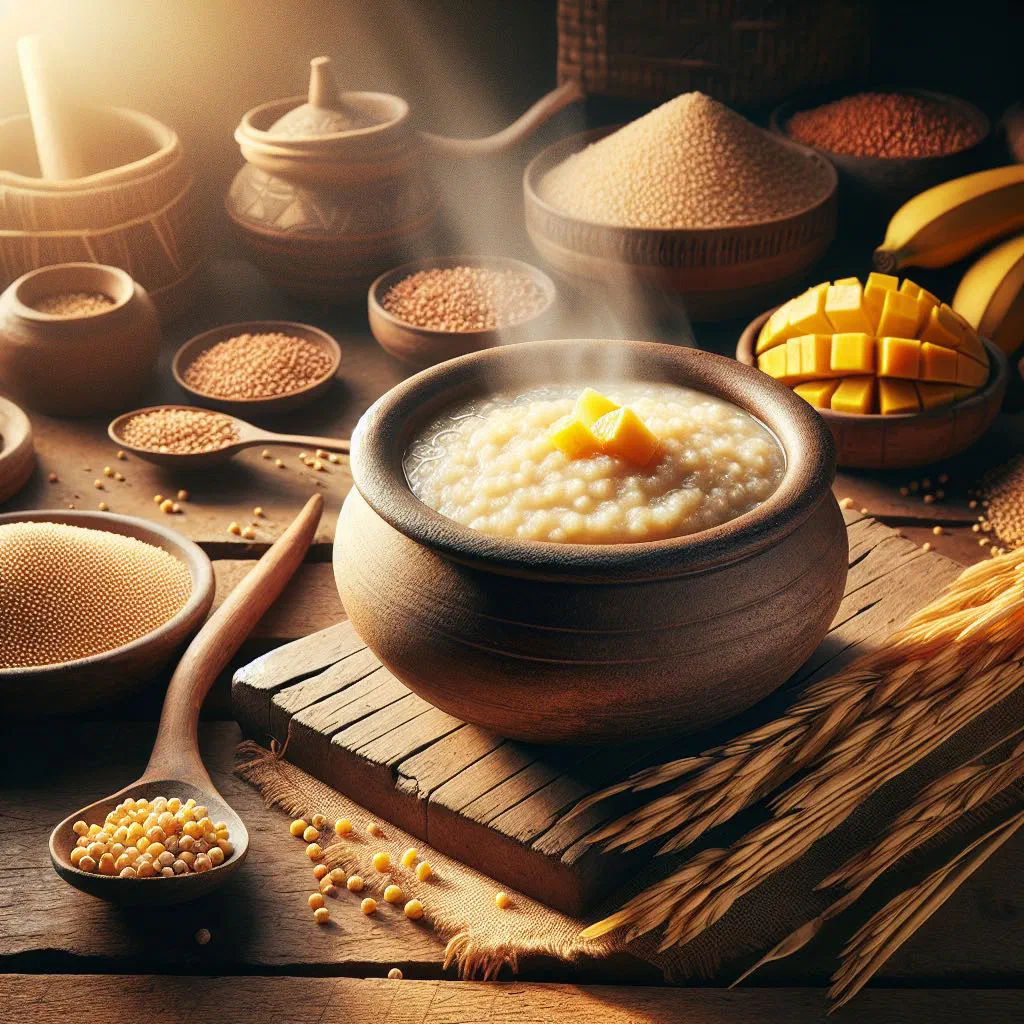
Meet Uji wa Wimbi, the creamy millet porridge that starts the day in kitchens right across Kenya. Made from little more than finger millet, water and a touch of sweetness, it is gentle, warming and quietly nourishing, the sort of bowl that carries you through a long morning. Its nutty depth and silky texture make it far more than a plain breakfast, and it is every bit as welcome as a late-evening comfort.
About Uji wa Wimbi
Uji wa Wimbi is a traditional Kenyan dish made from millet, and over the years it has settled firmly into the heart of the country’s food culture. It is most often served at breakfast, though it makes an excellent source of energy at any hour of the day. With its creamy consistency and delicate, nutty flavour, Uji wa Wimbi is a genuine highlight that wins over locals and visitors alike, a humble bowl with a great deal of character.
Ingredients (serves 1–2)
- 1 cup millet flour
- 2 cups water
- 1 pinch of salt
- 2 tablespoons sugar or honey, to taste
- 1 teaspoon cinnamon (optional)
Shopping for the ingredients
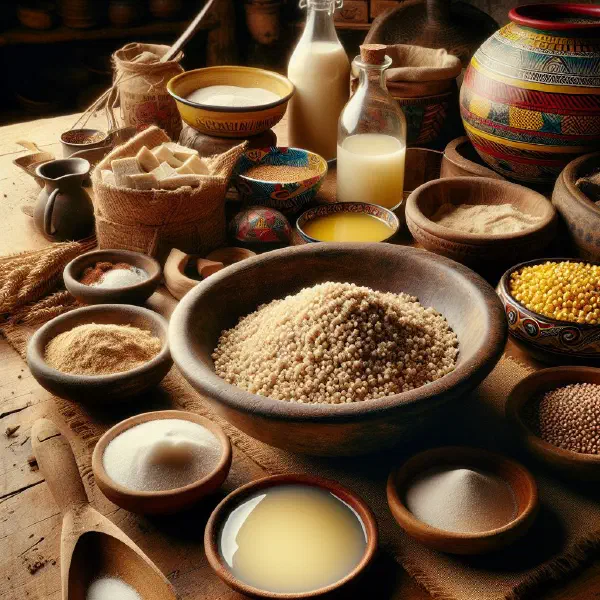
To get the freshest ingredients for your Uji wa Wimbi, head for a local market or a wholefood shop. Take care to choose good-quality millet, since it is the backbone of the whole dish. Both the flavour and the nutritional value of millet can vary considerably, so it is worth paying attention to origin and freshness. The remaining ingredients, sugar, salt and cinnamon, are easy to find anywhere and can be adjusted entirely to your own preference.
Preparing the dish
Before you begin cooking Uji wa Wimbi, wash the millet thoroughly to remove any grit or impurities. Rinse it in a sieve under running water until the water runs clear. This improves the flavour and gives the finished porridge a better texture. While you are working, it is worth reading a little about how millet is used in Kenyan cooking. It appears in everything from porridge to Ugali ya Wimbi, and knowing that background gives you a real feel for the tradition behind the bowl.
Step-by-step instructions
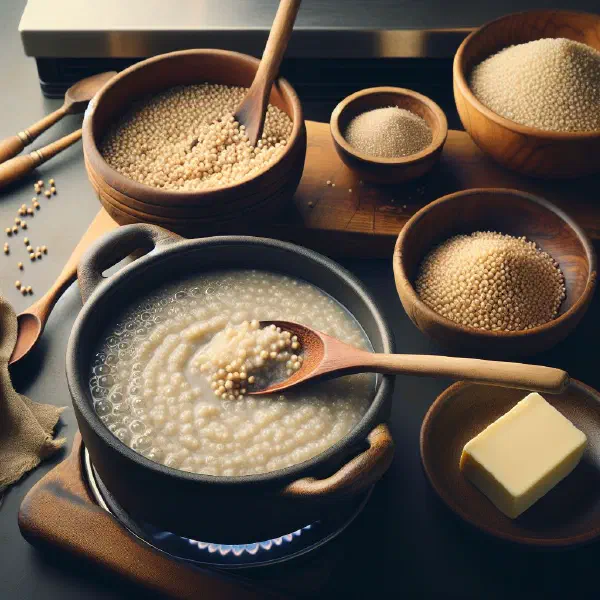
- Tip the washed millet into a saucepan and combine it with the 2 cups of water.
- Bring the mixture to the boil, then reduce the heat.
- Let the millet simmer for 20–30 minutes, until soft and creamy in texture.
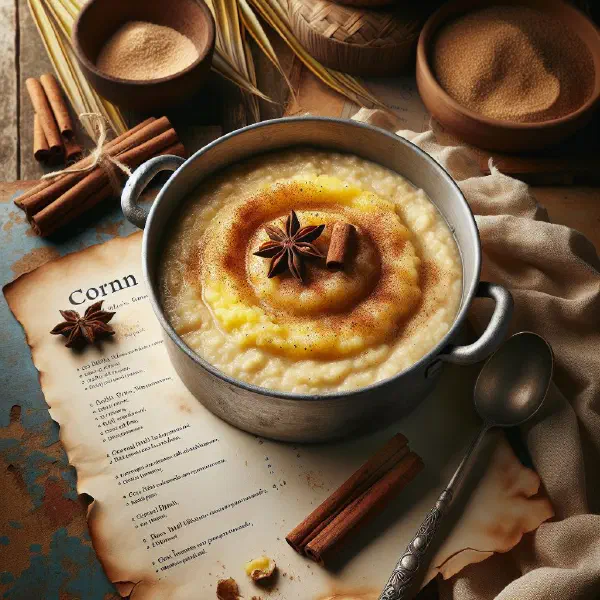
- Add sugar or honey to taste, along with a pinch of salt and the cinnamon.
- Stir thoroughly and serve warm.
Gluten-free / lactose-free version
One of the great advantages of Uji wa Wimbi is that it is naturally gluten-free, since millet contains no gluten at all. That makes it an excellent choice for anyone with a gluten intolerance or coeliac disease. It is naturally lactose-free too, which suits a dairy-free diet perfectly. No animal products are needed at any stage of the preparation, so the dish fits comfortably into a wide range of eating patterns.
Tips for vegans and vegetarians
Uji wa Wimbi is ideally suited to vegan and vegetarian diets. Vegans can replace the sugar with a plant-based sweetener such as agave syrup, and swapping some of the water for a plant-based milk makes the porridge noticeably richer and creamier. Experiment with fruit or nuts as a topping to bring different flavours to the bowl, much as you might with Fried Bananas alongside.
More tips and tricks
For the best results, it helps to soak the millet before cooking. An hour or two in cold water shortens the cooking time considerably and softens the grain. You can also adjust the consistency as you go simply by adding more or less water, which lets you shape the porridge exactly to your own taste, thick and spoonable, or loose enough to drink from a mug in the traditional way.
Adapting the recipe to your taste
The beauty of Uji wa Wimbi lies in its versatility. The recipe takes easily to additions of all kinds: dried fruit such as raisins or figs lends a natural sweetness, while a savoury approach with vegetables or spices opens up a completely different dimension. If you enjoy the savoury route, a spoonful of greens in the style of Sukuma Wiki on the side turns breakfast into a proper meal.
Ingredient substitutions
If you cannot find millet, alternatives such as quinoa or amaranth are equally nourishing and give a similar texture. For sweeteners, honey, molasses or coconut sugar all work well depending on what you prefer. Additional spices such as nutmeg or cardamom are worth considering too. Substitutions like these can broaden the flavour profile of your Uji wa Wimbi considerably.
Drink pairing ideas
To round out your Uji wa Wimbi, pair it with a freshly brewed Chai or a fruity smoothie. Unsweetened teas and fresh fruit juices are equally popular companions, and a ginger-spiced tea brings a pleasant warmth on cooler mornings. Any of these will complement the flavours and textures of the porridge and make for a well-balanced breakfast.
Serving and presentation ideas
Presentation can lift the enjoyment of Uji wa Wimbi considerably. Serve it in an attractive bowl with fresh fruit or a drizzle of honey on top. For a splash of colour, edible flowers or a scattering of nuts make a lovely decoration. An appealing bowl does more than look good. It builds anticipation for the first spoonful.
A bit of history
Uji wa Wimbi has a long history in Kenya. Originally conceived as a nourishing food for children and for labourers, it has been part of the tradition of Kenyan cuisine for generations. Many families have prepared it the same way for decades, and it carries warm associations for them. The millet at its heart holds not only culinary but cultural significance, as a staple crop across much of Africa.
More recipe ideas
Summary: Uji wa Wimbi
In short, Uji wa Wimbi is not only delicious but genuinely nourishing. It offers endless scope for adaptation and slots easily into almost any way of eating. Its simple preparation and excellent nutritional profile make it a fine choice for anyone, at any time of day. Enjoy this traditional dish and let it open a door onto the rich culture of Kenya.