National Dish Kosovo: Tavë Kosi (Recipe)
In this article
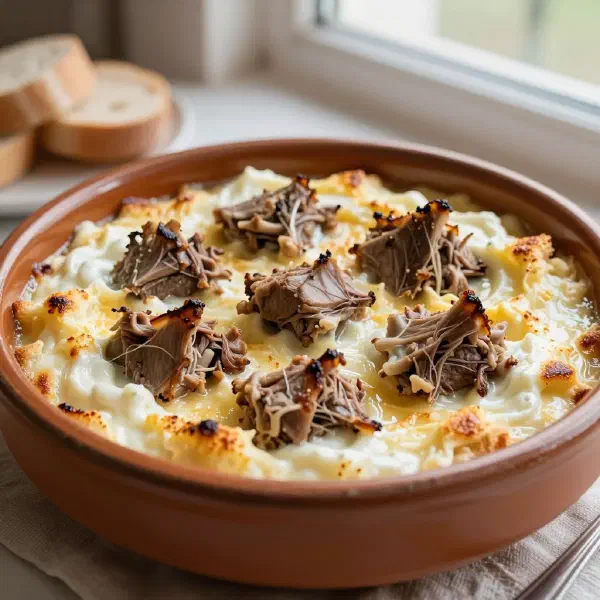
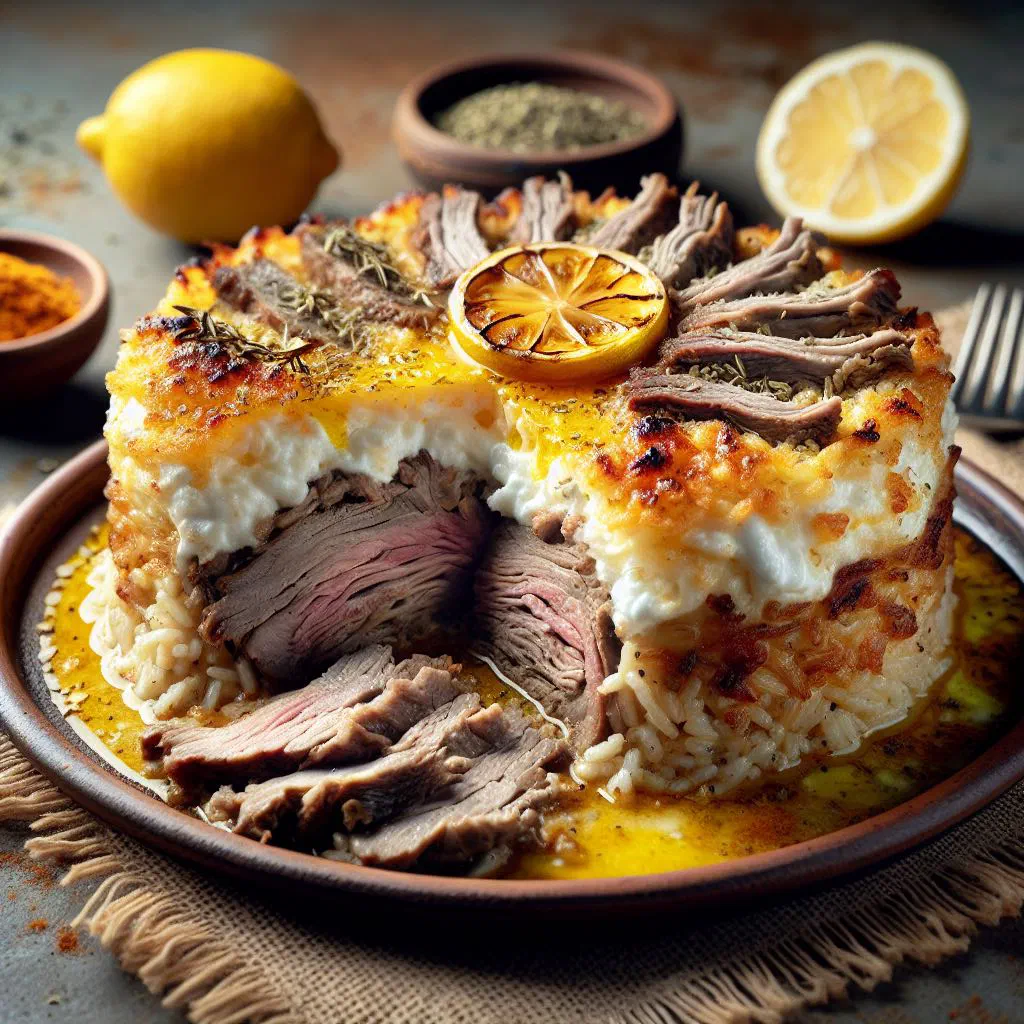
Meet Tavë Kosi, the pride of the Kosovar table, a comforting baked dish where tender lamb sits beneath a creamy, tangy layer of yoghurt and eggs. Perfumed with thyme and warming spices, it turns humble ingredients into something genuinely special. This Balkan classic carries all the warmth and generosity of Kosovar hospitality straight to your kitchen.
About Tavë Kosi
Tavë Kosi is a traditional Kosovar dish, prepared with care and no small amount of pride. Its main ingredients, tender lamb, creamy yoghurt and a handful of aromatic herbs, come together in a rich, satisfying bake. More than simply delicious, the dish is a symbol of Kosovar hospitality, served at celebrations and everyday meals alike. It captures the heart of Balkan food culture in a single, homely tray.
Ingredients (serves 1–2)
- 300 g lamb, cut into pieces
- 400 g natural yoghurt
- 2 eggs
- 1 onion, chopped
- 2 garlic cloves, chopped
- 2 tbsp olive oil
- Salt and pepper, to taste
- 1 tsp dried thyme
- 1 tsp sweet paprika
Shopping for the ingredients
To make Tavë Kosi at its best, it is worth choosing fresh, good-quality ingredients. Visit your local butcher to pick up the finest lamb you can find. Look for a yoghurt that is as natural and unsweetened as possible, so the topping keeps its lovely creamy character. The herbs, too, should be fresh or of good quality, as they do so much to lift the aroma of the finished dish.
Preparing the dish
The preparation for Tavë Kosi is straightforward, though it does involve a few steps. Begin by cutting the lamb into small, even pieces and getting the aromatics ready. Finely chop the onion and garlic so they can release their flavour fully during cooking. These simple foundations are what give the dish its depth and its wonderful final result.
Step-by-step instructions
- Heat the olive oil in a pan and sauté the chopped onion until soft and translucent.
- Add the lamb and brown it on all sides until golden, then season with salt, pepper and paprika.
- In a bowl, whisk together the yoghurt, eggs, thyme and a little salt.
- Transfer the browned lamb to a baking dish and pour the yoghurt mixture evenly over the top.
- Bake in a preheated oven at 180°C for around 45 minutes, until the surface is lightly golden.
Gluten-free / lactose-free version
For a gluten-free version, simply make sure every ingredient, the yoghurt in particular, is certified free from gluten. Lactose-free options work beautifully too if you need to avoid dairy: most supermarkets now stock lactose-free yoghurt that suits this dish perfectly. Soya or almond-based yoghurts are another excellent choice and open the recipe up as a vegan-friendly alternative.
Tips for vegans and vegetarians
For a vegan take on Tavë Kosi, swap the lamb for mixed vegetables or tofu. In place of dairy yoghurt, plant-based options such as soya or coconut yoghurt keep the topping just as creamy. These versions preserve the comforting character of the dish and sit happily alongside the aromatic herbs. As always, taste and adjust the seasoning carefully to bring everything into balance.
More tips and tricks
To deepen the flavour of Tavë Kosi, try stirring in extra herbs such as fresh dill or parsley. Scattering a little grated cheese over the top before baking gives you a gorgeous golden crust. A few squeezes of lemon just before serving add a bright, fresh note. Play with the spices until you find the balance that feels like your own.
Adapting the recipe to your taste
This recipe for Tavë Kosi is easy to shape around your own preferences. If you like a little heat, add some chilli powder or fresh peppers. For a subtle sweetness, fold in dried fruit such as apricots or raisins. Just keep an eye on how the flavours work together, so the finished dish stays harmonious and well-rounded.
Ingredient substitutions
If lamb isn’t to your taste, chicken or beef both work wonderfully in this dish. For a fully plant-based version, chickpeas or lentils make a nourishing and flavourful alternative, the same hearty pulses that anchor a bowl of Pasul. In place of regular yoghurt, the plant-based options mentioned earlier do the job nicely. It is also worth exploring different herb blends to discover new flavour combinations.
Drink pairing ideas
Several drinks pair beautifully with Tavë Kosi. A red Balkan wine is the traditional companion, its body underlining the savoury richness of the dish. For an alcohol-free option, a refreshing pomegranate or lemon juice is an excellent choice. Water with a squeeze of lemon also works perfectly, cleansing the palate between forkfuls.
Serving and presentation ideas
Presentation plays its part when serving Tavë Kosi. Bring it to the table straight from the baking dish and garnish with fresh herbs or a dollop of yoghurt. Arrange the portions attractively so the meal looks as inviting as it tastes. Colourful plates or a rustic wooden board help highlight the dish’s traditional, homely roots.
A bit of history
Tavë Kosi is rooted in traditional Kosovar and Balkan cooking, and counts among the oldest dishes of the region. It was originally prepared by innkeepers to please locals and travellers alike. Over the years the recipe has evolved and taken on countless regional variations, allowing every family to add its own signature touch. More than a treat, it is a genuine part of Kosovo’s cultural identity, one that deserves to be celebrated, much like the wider tradition of Kosovar cuisine.
More recipe ideas
Summary: Tavë Kosi
In short, Tavë Kosi is a delicious and versatile dish that captures the essence of Kosovar cooking. With its simple ingredient list and the ease with which it adapts to different dietary needs, it is ideal for any convivial gathering. Tavë Kosi appeals to with its unique flavour and gentle aroma. Give this dish a try and let the tradition and taste of the Balkans win you over.