National Dish Kuwait: Basbousa (Recipe)
In this article
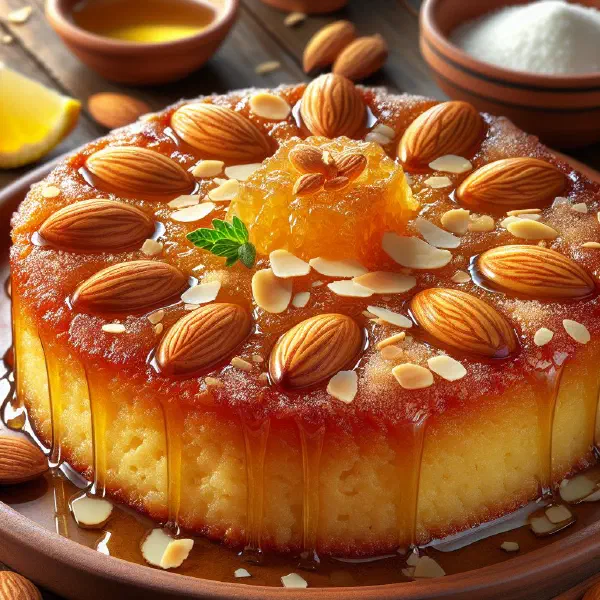
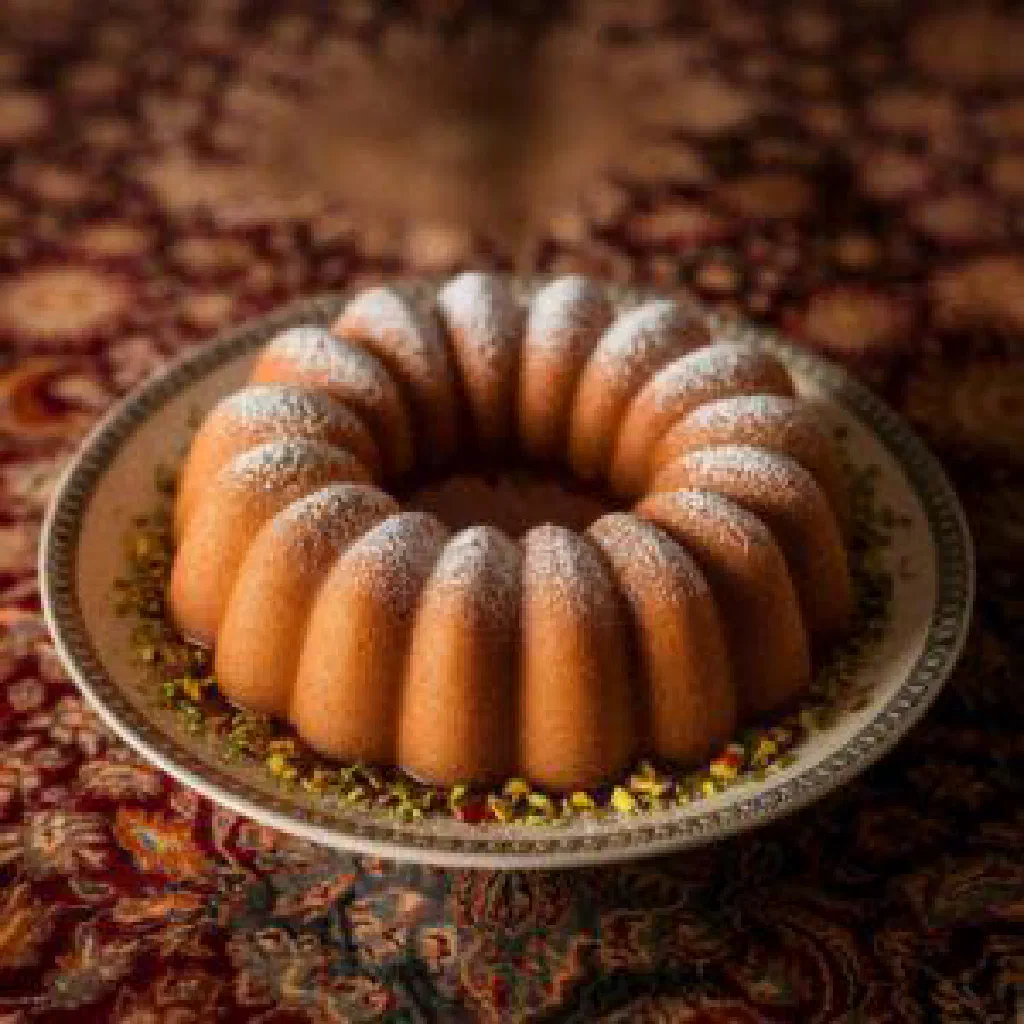
Meet Basbousa, the golden semolina cake that has been sweetening tables across Kuwait and the wider Middle East for generations. Soft, faintly grainy and drenched in a fragrant sugar syrup, it is the kind of dessert that tastes both freshly made and comfortingly familiar. Whether it rounds off a festive dinner or simply keeps a cup of coffee company in the afternoon, Basbousa is a small, sweet moment of hospitality.
About Basbousa
Basbousa is a traditional dessert enjoyed across much of the Middle East and particularly beloved in Kuwait. The cake is built mainly from semolina and yoghurt, which together give it its distinctive tender, slightly sandy crumb. Perfumed with rose water or vanilla, Basbousa offers a flavour that feels fresh and nostalgic at the same time. After a celebratory meal or simply alongside a coffee, it makes the perfect sweet full stop.
Ingredients (serves 1–2)
- 100 g semolina
- 100 g yoghurt
- 75 g sugar
- 50 ml vegetable oil
- 1 teaspoon baking powder
- 1 teaspoon rose water or vanilla extract
- Almonds, to decorate
- 150 ml water (for the syrup)
- 150 g sugar (for the syrup)
- 1 teaspoon lemon juice (for the syrup)
Shopping for the ingredients
To gather everything for Basbousa, a trip to your local supermarket or an Arabic grocery is usually all it takes. The main ingredients, semolina, yoghurt and sugar, are stocked almost everywhere. Rose water and certain spices are best found in specialist shops, or ordered online if you have none nearby. Do pay attention to the quality of what you buy, as it makes a noticeable difference to the finished dessert.
Preparing the dish
Getting Basbousa ready is quick and refreshingly straightforward. Start by measuring out all the ingredients and setting them within easy reach. It is also important to preheat the oven to 180°C before you begin mixing. That way the cake bakes evenly all the way through and reaches exactly the right consistency.
Step-by-step instructions
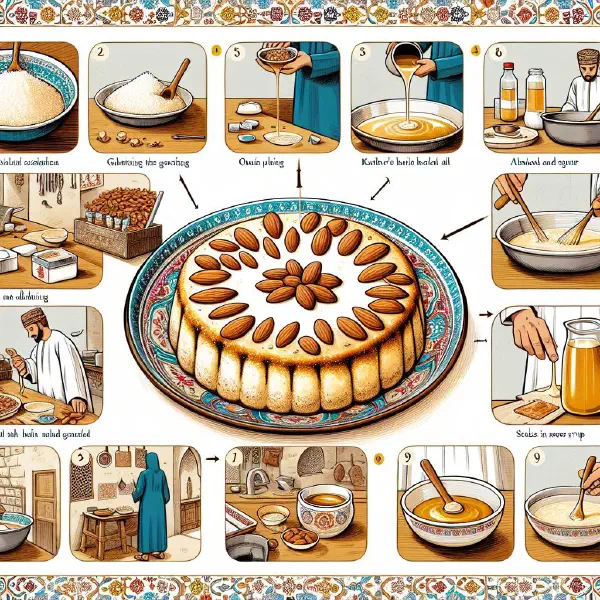
- In a bowl, combine the semolina, yoghurt, sugar, vegetable oil and baking powder until well blended.
- Tip the mixture into a greased baking tin and smooth the surface flat.
- Decorate with almonds before baking, then bake for around 30 minutes.
- Meanwhile, make the syrup: bring the water, sugar and lemon juice to the boil in a pan, then simmer until the liquid turns syrupy.
- Pour the hot syrup over the cake as soon as it comes out of the oven and leave it to cool.
Gluten-free / lactose-free version
A gluten-free Basbousa is entirely possible if you use gluten-free flour in place of the semolina. Lactose-free yoghurt stands in perfectly for the classic kind, much as it does in a bowl of Laban. Just check that the remaining ingredients are also free from gluten and lactose, and you will have a dessert everyone at the table can share.
Tips for vegans and vegetarians
For a vegan version of Basbousa, reach for unsweetened plant-based yoghurt. Plant oils such as coconut or rapeseed oil work beautifully here as well. There are also plenty of vegan-friendly sugar alternatives to bring the sweetness you want.
More tips and tricks
A few small habits will improve your Basbousa considerably. Grease the tin thoroughly, for instance, so the cake lifts out cleanly once it has cooled. You can also play with different aromas by folding desiccated coconut or chopped nuts into the batter. Experimenting with spices is a reliable way to discover new flavour combinations.
Adapting the recipe to your taste
Everyone’s palate is different, and the good news is that Basbousa adapts willingly. Dial the sweetness up or down to suit yourself. Adding dried fruit such as dates or figs enriches the cake handsomely, dates being the same fruit that gives Louqaimat its character. Try different combinations until you land on your own perfect version.
Ingredient substitutions
If a few ingredients are missing from the cupboard, there are several workarounds. Instead of yoghurt, mix plant-based milk with a little lemon juice to mimic the tang. In place of sugar, agave syrup or honey will do the job, though you will need to adjust the quantities. Substitutions like these let you bake Basbousa without hunting down anything special.
Drink pairing ideas
Basbousa gets along with a wide range of drinks. A cup of Arabic Coffee or a glass of minted tea balances the dessert’s sweetness beautifully. A simple glass of milk, or a plant-based alternative, is another sound choice. A chilled Jallab is well worth trying too if you want something fruitier.
Serving and presentation ideas
Presentation shapes the first impression of any Basbousa. Consider garnishing the cake with chopped nuts or fresh fruit. A dusting of icing sugar or a scattering of edible flowers lends an elegant finish. A handsome serving platter and matching crockery pull the whole picture together and earn the appreciative gasps.
A bit of history
Basbousa carries a history stretching back several centuries. The origins of this dessert can be traced to Egyptian cooking, from where it travelled outward. The name comes from the Arabic word basbusa, meaning “soft cake”. Over time it spread throughout the Middle East and became a symbol of hospitality and celebration, a role it still plays across Kuwaiti cuisine today.
More recipe ideas
Summary: Basbousa
In short, Basbousa is a pleasure to eat and plays a meaningful part in the history and culture of the Middle East. Its easy preparation and readiness to be adapted have made it a favourite dessert right across the region. Alone or in company, Basbousa is a sweet indulgence that charms everyone who tries it. Bake a tray yourself and step into the world of Arabic sweets.