National Dish Kuwait: Falafel (Recipe)
In this article
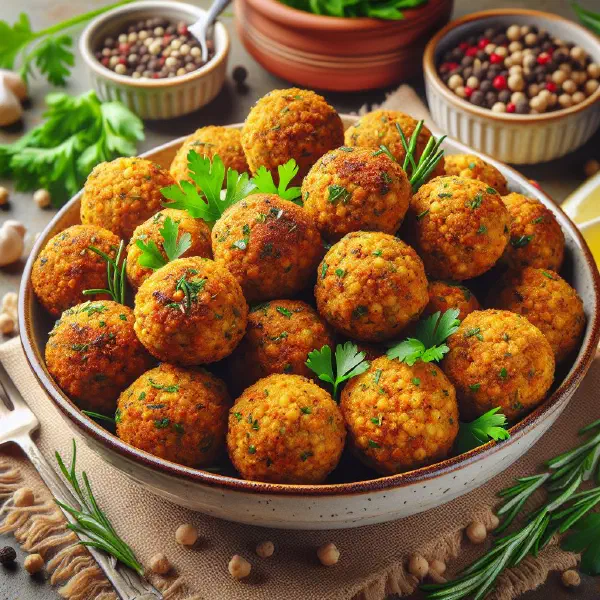
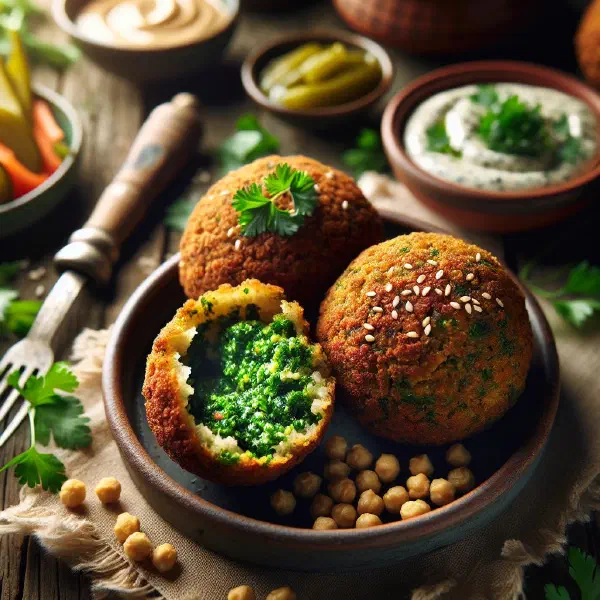
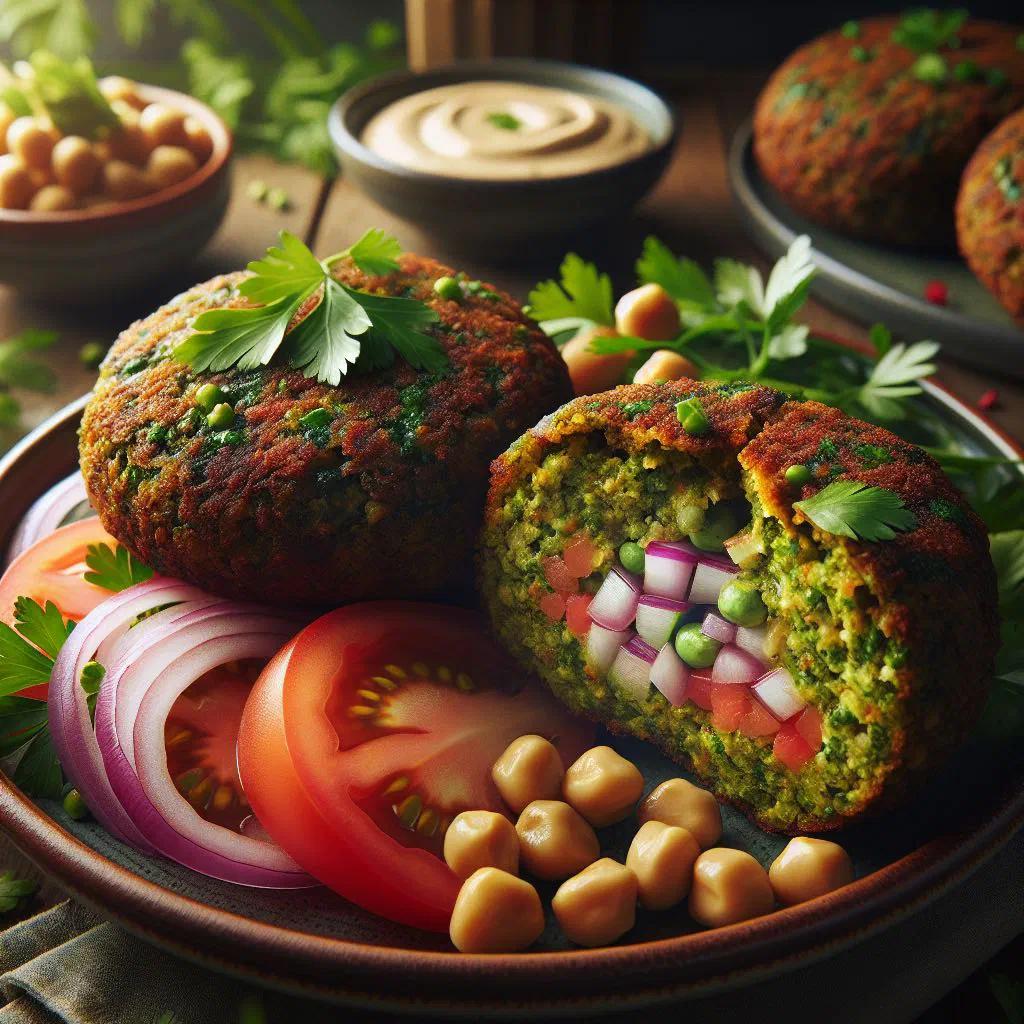
Discover Falafel, the crisp little chickpea balls that have won hearts right across the Middle East and far beyond. Deep-fried to a deep golden brown, they are wonderfully savoury on the outside and soft and herby within, and, happily, both vegan and packed with protein. Falafel deliver a proper taste of Kuwait’s street-food culture in every bite.
About Falafel
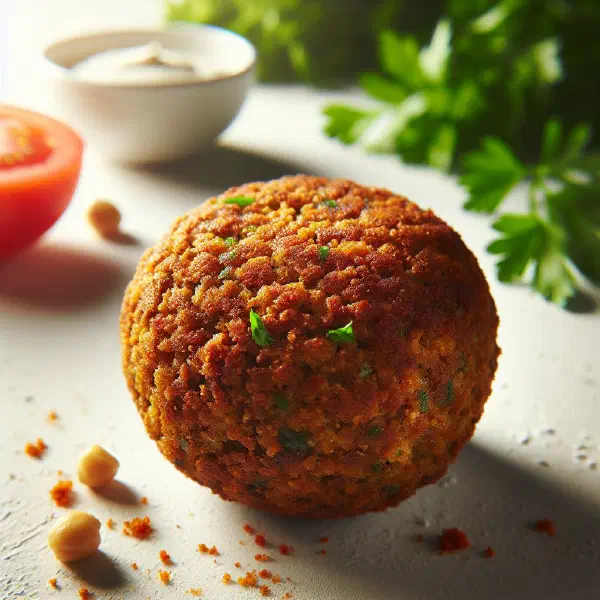
Falafel is a street-food classic loved throughout the Middle East. These small, golden-brown balls made from chickpeas are tremendously tasty and genuinely good for you. They are vegan and rich in protein, which makes them an ideal snack or a satisfying main course. The combination of a crunchy crust and warm, aromatic spices creates a flavour you will not forget in a hurry.
Ingredients (serves 1–2)
- 200 g chickpeas (dried or tinned)
- 1 small onion, roughly chopped
- 2–3 garlic cloves
- 1 tsp cumin
- 1 tsp ground coriander
- 1 tsp baking powder
- Salt and pepper, to taste
- Oil, for deep-frying
- Flatbread, fresh vegetables and tahini sauce, to serve
Shopping for the ingredients
When shopping for falafel, the quality of the chickpeas matters most. If you are using dried chickpeas, be sure to soak them beforehand to cut down the cooking time. Fresh spices are decisive for the flavour, so do not skimp on the ground cumin and coriander. Most of what you need is easy to find in Asian or Middle Eastern grocers, where you can also pick up good flatbread such as Khubz.
Preparing the dish
Begin with the preparation of the chickpeas if you are working with dried ones. They should be soaked in water overnight. Once soaked, drain them thoroughly and tip them into a food processor with the remaining ingredients. The mixture should not be blitzed too finely, a coarse texture gives the falafel their proper bite.
Step-by-step instructions
- Blend the chickpeas with the onion, garlic and spices in a food processor until well combined.
- Shape the mixture into small balls and set them out on a plate.
- Heat the oil in a deep pan and fry the falafel until golden brown.
- Drain the freshly fried falafel on kitchen paper.
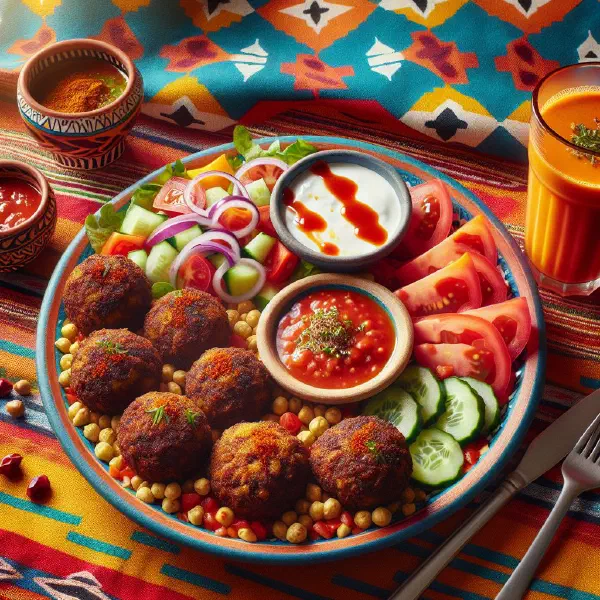
- Serve the falafel with flatbread, fresh vegetables and tahini sauce.
Gluten-free / lactose-free version
Falafel are naturally gluten-free, so long as no wheat flour or similar is added. The ingredients consist mainly of chickpeas, which makes them an excellent choice for anyone with a gluten intolerance. The dish is also lactose-free, making it ideal for vegans and for people who cannot tolerate dairy. If you are after a healthy and thoroughly satisfying meal, falafel are exactly the thing.
Tips for vegans and vegetarians
Since falafel are already vegan, all you need to do is make sure the accompaniments are plant-based too. Use fresh vegetables such as tomatoes, cucumber and salad leaves to round the plate out. A homemade tahini sauce of sesame paste, lemon juice and garlic complements the falafel perfectly. Do take care to use good-quality, natural ingredients to guarantee the best flavour.
More tips and tricks
To make your falafel especially crisp, chill them briefly in the fridge before frying. This helps them hold their shape and stops the balls falling apart in the pan. Another useful trick is to let the frying oil come up to a proper heat before the balls go in. The outside then browns quickly and stays crunchy, while the inside remains beautifully soft.
Adapting the recipe to your taste
The falafel recipe is easily adjusted to suit personal preference. Add fresh herbs such as parsley or coriander for extra flavour. You can also vary the spicing, a little chilli gives you a hotter version. Experiment with different tahini-based sauces, or set a bowl of Hummus alongside, to keep the flavours interesting.
Ingredient substitutions
If you have no chickpeas to hand, red lentils will do the job, though the texture turns out somewhat different. For those who do not care for onion, it can be swapped for shallots or spring onions. The garlic can be left out altogether without the dish losing its character. Just make sure the balance of ingredients stays intact.
Drink pairing ideas
A plate of falafel calls for something refreshing to drink. Mint tea or a chilled lemon water complement the flavours perfectly. If you fancy something alcoholic, a light pale ale or a white wine works well. All of these options let the falafel’s aromas come through and make for a harmonious meal.
Serving and presentation ideas
The way you present your falafel can lift the whole experience. Serve them on a handsome plate, garnished with fresh herbs and beetroot or carrot for visual appeal. Serving the tahini sauce separately in a small bowl makes the dish more inviting still. Adding fresh lemon wedges brings not only a splash of colour but a bright, fruity aroma as well.
A bit of history
The origins of falafel reach far back into the history of the Middle East and can be traced to the ancient Egyptians. Historically they were made from fried broad beans and evolved over the centuries into the form we know today. Falafel are now a much-loved street food and a cornerstone of Kuwaiti cuisine, sitting comfortably next to savoury pastries such as Samboosa. Their popularity has grown in the West too, where they are enjoyed as a healthy snack option.
More recipe ideas
Summary: Falafel
In short, falafel are a versatile and wholesome dish that suit just about any occasion. The combination of a crisp texture and aromatic spices makes them a firm favourite with vegans and adventurous eaters alike. Whether as a snack, a main course or part of a buffet spread, falafel are always a hit. Give the recipe a go and enjoy the flavours of the Middle East.