National Dish Kuwait: Harees (Recipe)
In this article
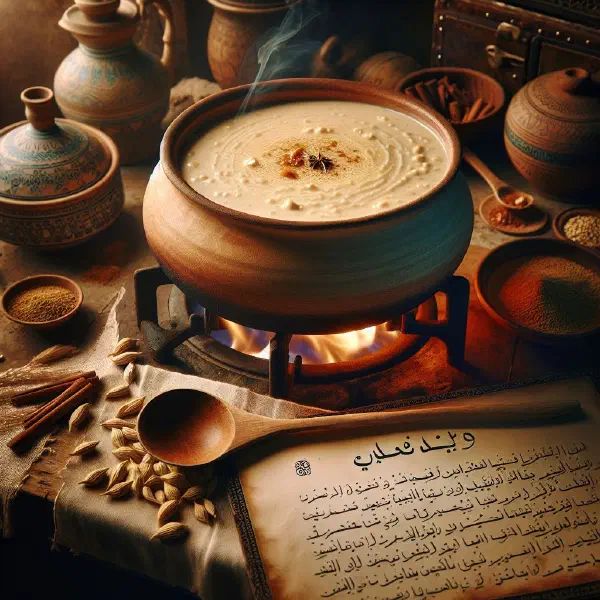
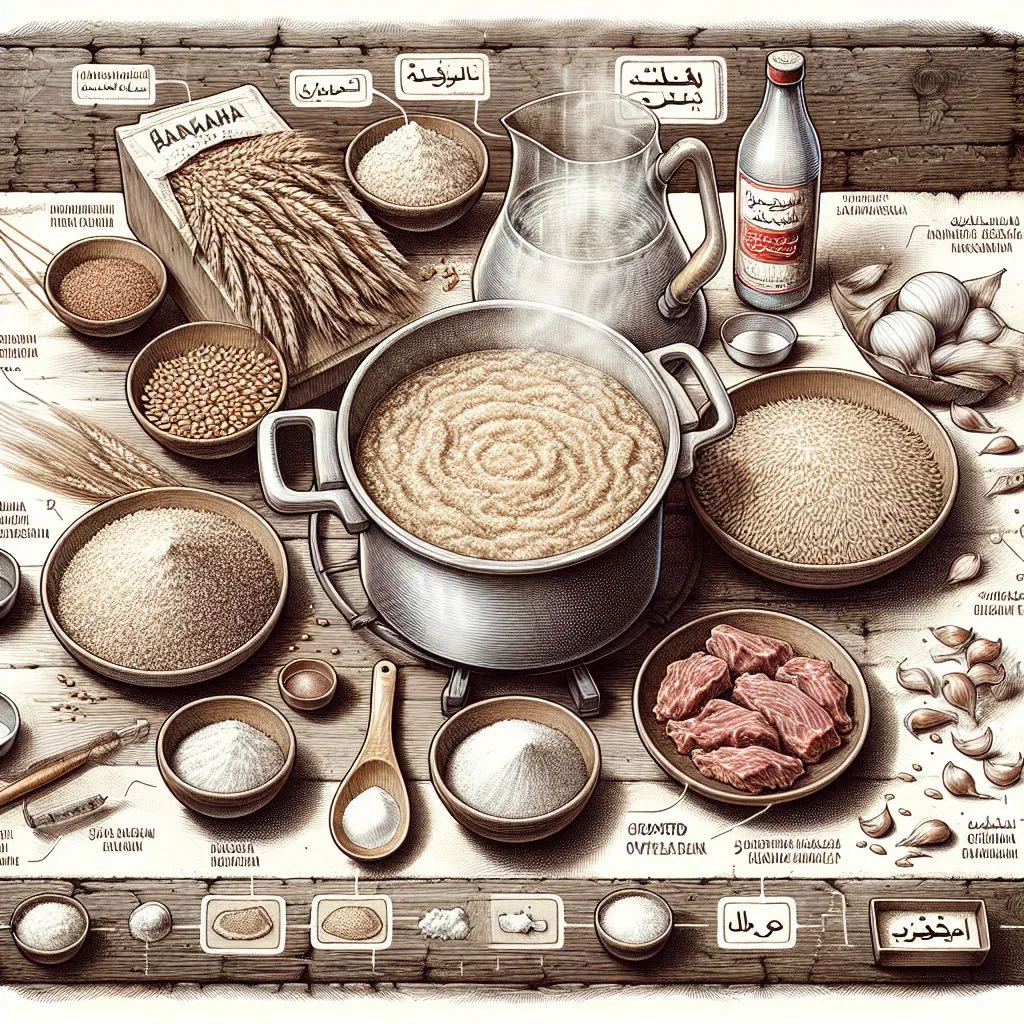
Discover Harees, the slow-cooked wheat and meat porridge that sits at the very heart of Kuwaiti hospitality. Simmered for hours until the grains collapse into a silky, almost velvety cream, it is warming, deeply nourishing and quietly luxurious. A whisper of cinnamon and nutmeg, a glossy pool of melted ghee and a scattering of crisp fried onions turn a handful of humble ingredients into a dish reserved for the year’s best occasions. Bring a taste of the Gulf to your own table.
About Harees
Harees is a traditional dish from Kuwait that is cherished across many Arab countries. It is built mainly from wheat, meat, most often chicken or lamb, and a modest handful of spices. The combination of these ingredients creates a dish that is nourishing and remarkably satisfying. Harees is frequently prepared for festive occasions and reflects Kuwaiti culture and hospitality in the warmest possible way.
Ingredients (serves 1–2)
- 1 cup wheat
- 200 g meat (chicken or lamb)
- 2–3 cups water
- 1 teaspoon salt
- 1 teaspoon cinnamon
- 1 teaspoon nutmeg
- 2 tablespoons butter or ghee
- Optional: fried onions, to garnish
Shopping for the ingredients
With harees it is well worth paying attention to the quality of the wheat and the meat. Many supermarkets now run dedicated aisles for international foods, where you will also find the right spices. If you prefer fresh ingredients, look to local markets or butchers who specialise in high-quality produce. That extra care makes for a noticeably more flavourful and authentic dish.
Preparing the dish
To get the best from harees, soak the wheat before you use it. Leave it standing in water for at least 4–6 hours, or overnight if you can. This softens the grains and makes them far easier to cook down. Prepare the meat by cutting it into small pieces and marinating it with the necessary spices. This preparation stage is decisive for the flavour of the finished dish.
Step-by-step instructions
- Rinse the soaked wheat thoroughly and put it into a large pan with 2–3 cups of water.
- Add the prepared meat and bring to the boil.
- Reduce the heat and let everything simmer for around 1–2 hours, until the wheat is very soft.
- Stir often to stop it catching on the base of the pan.
- Once the meat is cooked through, mix everything well and mash with a fork to reach a creamy consistency.
- Stir in the butter or ghee and season to taste with salt, cinnamon and nutmeg.
Gluten-free / lactose-free version
For a gluten-free version of harees you can swap the wheat for a gluten-free grain such as rice or quinoa. You will need to adjust the cooking process, as the cooking times differ. If you need a lactose-free option, replace the butter with a vegetable oil or with ghee to keep that creamy character. The dish then suits every dietary preference at the table.
Tips for vegans and vegetarians
Vegans and vegetarians can adapt harees easily by leaving out the meat and using vegetables or pulses such as lentils instead. These bring plenty of protein and nutrients to the dish while preserving its textured, spoonable consistency. To deepen the flavour, use vegetable stock in place of water. Add a little more spice to enrich the aroma further and you have a thoroughly satisfying vegan alternative, the same trick that works so well in a bowl of Shorbat Adas.
More tips and tricks
A few simple habits help you achieve the perfect harees. Make sure you add enough liquid while the dish cooks so it never dries out; the consistency should stay firmly on the creamy side. To intensify the aroma, stir in a mixture of freshly grated ginger and garlic. Experiment with different spices too, and adjust the dish until it tastes exactly the way you want it.
Adapting the recipe to your taste
The beauty of harees is how versatile it is and how readily it adapts to personal preference. You can vary the type of meat, beef or poultry both work well, depending on what you like best. The quantity of spice is adjustable too: if you enjoy a little heat, add a pinch of chilli or cayenne pepper.
Ingredient substitutions
If some ingredients are not available, there is always an alternative. Instead of lamb you can use chicken or beef, both of which suit the dish just as well, much as they do in a rich plate of Machboos Laham. For the spices, try blends such as garam masala or cumin, which lend an interesting depth of flavour. There are vegan alternatives to the butter as well, offering a similar taste and consistency.
Drink pairing ideas
Certain drinks round off the harees experience beautifully. A freshly brewed mint tea makes a refreshing companion that balances the richness of the dish. Cool yoghurt drinks, so popular in Arab cooking, also pair wonderfully with these flavours, a chilled Laban is the classic choice. If you want something brighter still, try a lemonade with a squeeze of lemon for a lively contrast.
Serving and presentation ideas
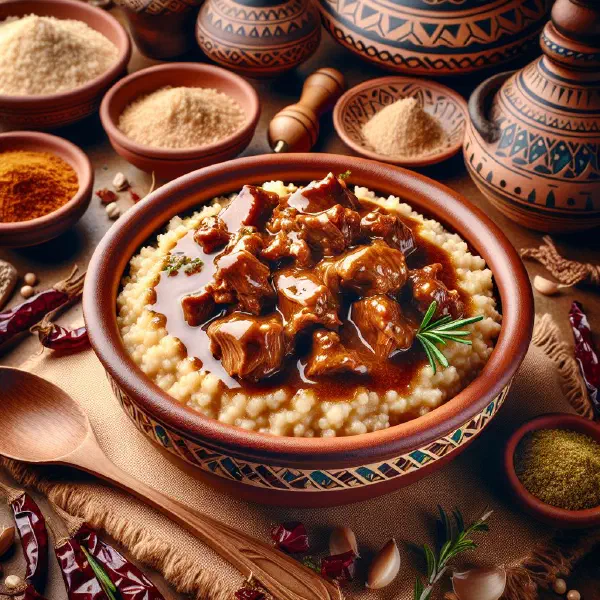
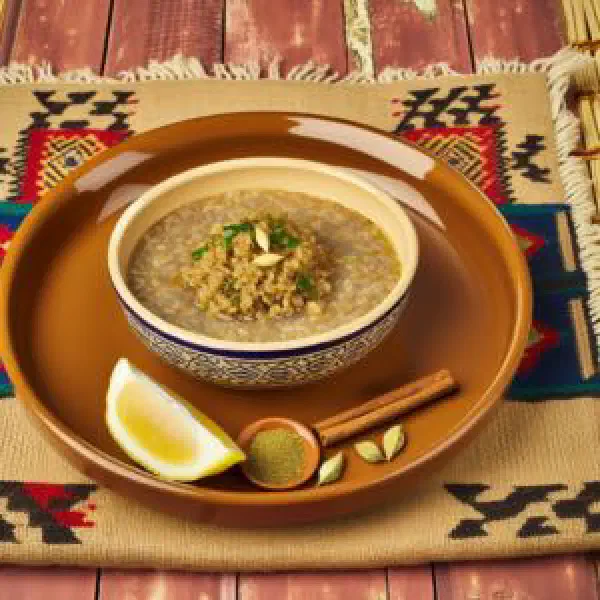
Presenting harees can be a pleasure in itself. Serve it in a large bowl and decorate with fried onions and fresh herbs such as coriander or parsley. Those colours bring the dish to life and make it far more inviting. You might also present the harees alongside traditional accompaniments such as Zaatar Bread or freshly baked flatbread for a genuinely authentic feel.
A bit of history
Harees has a long history, rooted deep in Arab culture. The dish dates back to Bedouin times and was prepared for celebrations and special occasions. Making harees is often a communal process, with families and friends coming together to cook and enjoy it. Today it holds a central place in Kuwaiti cuisine and is served at festive moments such as Ramadan, which makes it a symbol of community and hospitality.
More recipe ideas
Summary: Harees
In short, harees is a singular and delicious dish that is nourishing and welcoming in equal measure. It celebrates Kuwaiti culture and offers endless room for adaptation to suit every kind of taste. Whether for a special occasion or simply as a comforting family meal, harees is certain to please. The care that goes into making it, and the pleasure of eating it, bring you a little closer to a piece of Kuwaiti history.