National Dish Kuwait: Jireesh (Recipe)
In this article
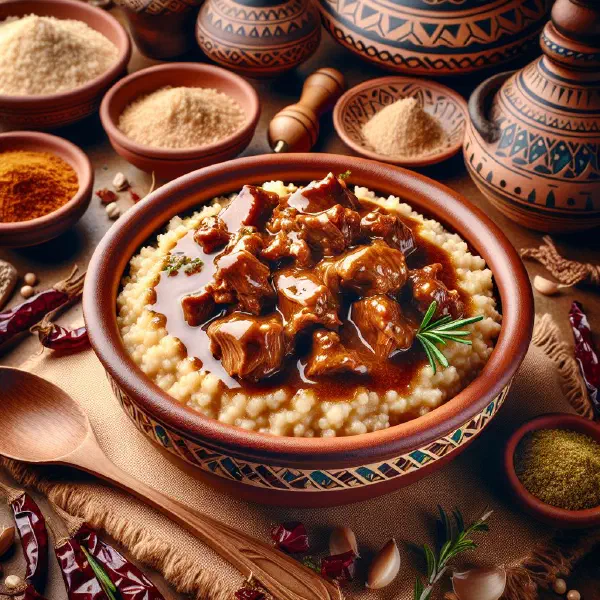
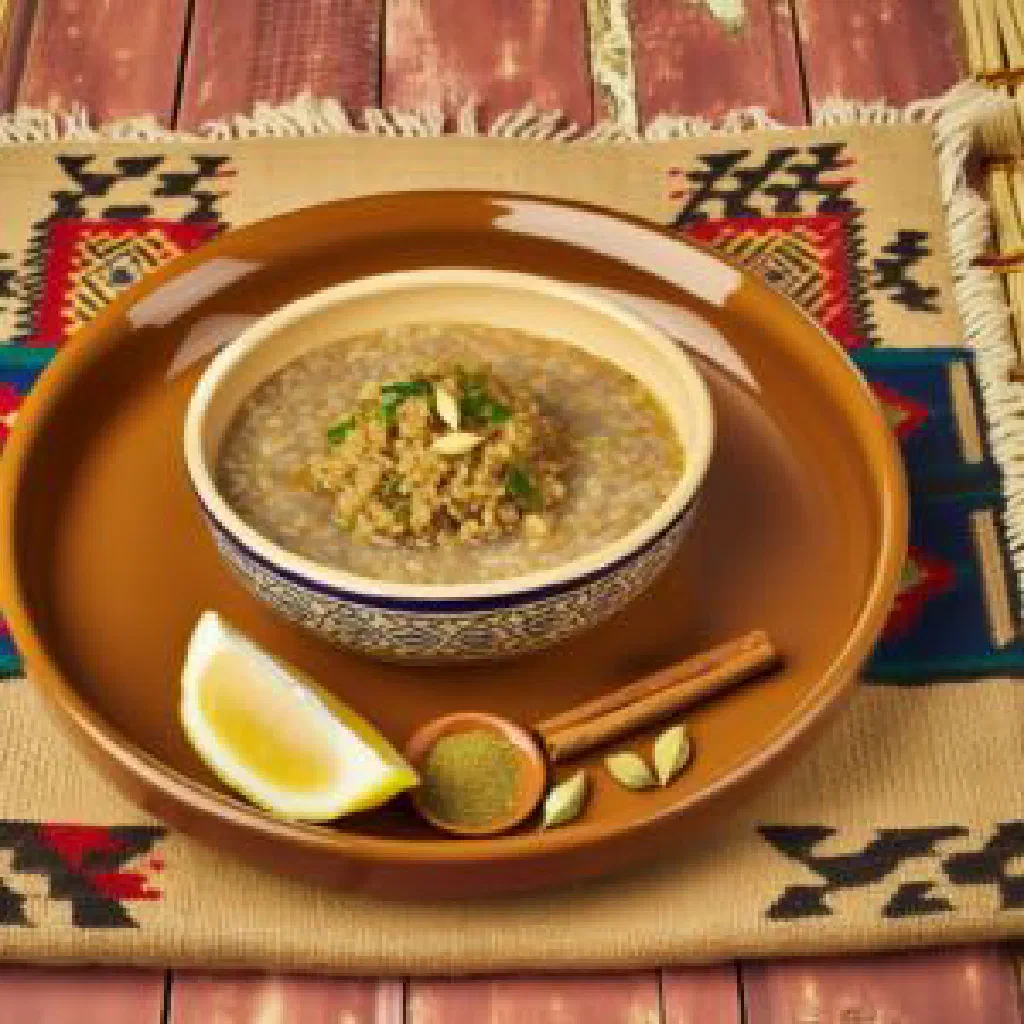
Meet Jireesh, the wonderfully comforting national dish of Kuwait. Coarse cracked wheat is simmered slowly with tender chicken until it turns into a soft, porridge-like bowl scented with cumin and cinnamon. It is humble food with real depth, the sort of dish that appears at big family gatherings and on ordinary weeknights alike. Simple to make and deeply satisfying, it brings the flavours of the Arabian Gulf straight to your table.
About Jireesh
The traditional Kuwaiti national dish Jireesh is built around cracked wheat and tender chicken, gently cooked together in a savoury broth. What sets it apart is its straightforward preparation and its clever use of regional spices, which turn a handful of modest ingredients into something genuinely memorable. Jireesh is not reserved for feast days alone; it is eaten regularly in Kuwaiti homes and enjoyed by young and old alike. Nourishing and filling, it sits at the heart of everyday cooking in Kuwait.
Ingredients (serves 1–2)
- 1 cup cracked wheat
- 500 g chicken (boneless)
- 1 onion, diced
- 2 garlic cloves, chopped
- 1 teaspoon ground cumin
- 1 teaspoon ground cinnamon
- 4 cups water or chicken stock
- Salt and pepper to taste
- Fresh parsley or coriander, to garnish
Shopping for the ingredients
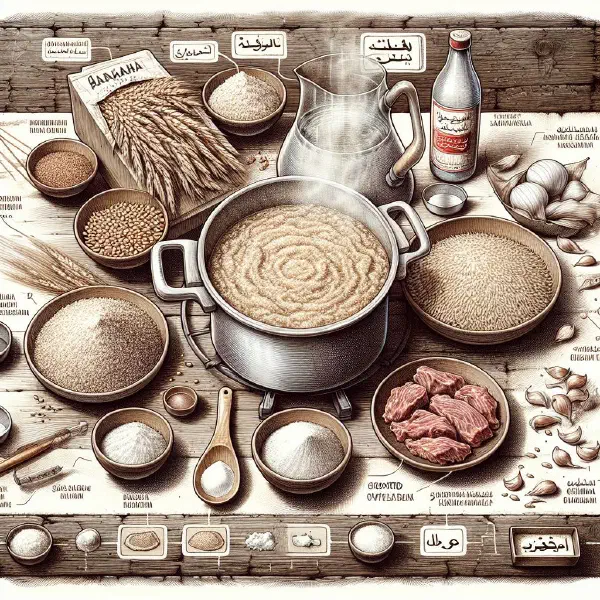
To make a really good Jireesh you will want fresh ingredients, and an Arabic grocer is the ideal place to find them. Cracked wheat is the central component and can sometimes be tracked down in ordinary supermarkets too, often shelved near the bulgur and pearl barley. Make sure the chicken is of good quality, as it carries much of the flavour of the finished dish. Onions, garlic and spices such as cumin and cinnamon are equally important and give the dish its characteristic warmth.
Preparing the dish
Getting Jireesh ready is fairly simple, though it does reward a little planning. Start by soaking the cracked wheat in water for at least 30 minutes, which cuts the cooking time considerably. Trim any unwanted parts from the chicken and cut it into bite-sized pieces. The onions and garlic should be prepped as well, diced and chopped respectively. These small steps are what keep the cooking itself smooth and unhurried, the same groundwork that pays off when making Harees.
Step-by-step instructions
- Drain the soaked cracked wheat and set it aside.
- In a large pot, brown the chicken together with the diced onions and chopped garlic until lightly golden.
- Add the soaked cracked wheat, cumin, cinnamon, salt and pepper, and stir well.
- Pour in the water or stock and bring the mixture to the boil.
- Reduce the heat and let the dish simmer for about 45 minutes, until the wheat and the meat are tender.
- Garnish with fresh parsley or coriander if you like, and serve.
Gluten-free / lactose-free version
The recipe for Jireesh naturally contains gluten, since cracked wheat is its main ingredient. For a gluten-free version you can use alternative grains such as quinoa or rice. Do check that the stock you use is gluten-free as well, as many ready-made stocks contain gluten. As for lactose, the dish is naturally lactose-free so long as no dairy products are added, which makes it a great choice for anyone with a lactose intolerance.
Tips for vegans and vegetarians
For a vegan version of Jireesh you can swap the chicken for a plant-based protein such as tofu or chickpeas. Use vegetable stock in place of chicken stock to keep the same savoury depth. Adding vegetables like carrots or peppers makes the dish more substantial as well. These adjustments preserve the basic idea and the characteristic flavour while suiting plant-based diets, much as they do in a bowl of Shorbat Adas.
More tips and tricks
To make your Jireesh even tastier, try soaking the wheat overnight so the flavours work their way right through the grains. A squeeze of fresh lemon juice just before serving adds complexity and a welcome lift. Experiment with different spices to find your own flavour profile. Bear in mind that the dish thickens as it stands, so add a little more liquid if it has been simmering for a long while.
Adapting the recipe to your taste
The great thing about Jireesh is how adaptable it is. You can dial the spices up or down entirely as you please, less cinnamon, say, or a heavier hand with the cumin. The choice of protein is flexible too: try lamb or beef if you fancy a change. Every batch ends up a little different and tuned exactly to your own taste.
Ingredient substitutions
If you have no cracked wheat to hand, bulgur makes a very close stand-in with a similar flavour. For a protein-rich variation you could also use pulses such as lentils, adjusting the cooking time accordingly. Vegetable stock works in place of chicken stock and still gives plenty of depth. Substitutions like these let you shape the dish around whatever is in the cupboard.
Drink pairing ideas
Plenty of drinks go well with Jireesh and complement its savoury character. A fresh mint tea or a frothy yoghurt drink such as Laban are popular choices served across the Arab world. A fruity pomegranate juice is another option that rounds off the flavours beautifully. These drinks are refreshing in their own right and add a good deal to the meal as a whole.
Serving and presentation ideas
Presentation matters with Jireesh just as much as flavour. Serve the dish in a large bowl and garnish it with fresh parsley or coriander for a touch of colour. Consider plating it in a traditional Kuwaiti serving dish to give a nod to its cultural roots. A few lemon wedges on the side let your guests add their own hit of freshness.
A bit of history
Jireesh has a long tradition in Kuwaiti cooking and is closely tied to the country’s cultural identity. It is often served at special occasions and celebrations, yet it remains a convenient staple for everyday eating too. Historically the dish evolved to meet the needs of nomads and fishermen, who required nourishing meals that travelled well. Preparing it is, in its way, a testament to Kuwaiti hospitality and to the wider heritage of Kuwaiti cuisine.
More recipe ideas
Summary: Jireesh
All in all, Jireesh is a delicious, nourishing and thoroughly traditional Kuwaiti dish that wins people over with its simplicity and savoury warmth. Whether at a festive gathering or on an ordinary evening, it remains a cornerstone of Kuwaiti food culture. Its adaptability and its willingness to bend to different tastes make it an ideal recipe for any occasion. Give it a go and experience the flavours of Kuwait in your own kitchen.